Massage or not?
Is Access Bars massage?
Access Bars is often described in ways that sound like massage. It involves touch, it is relaxing, and recipients often lie on a table. But the technique is not massage in the traditional sense.
Massage typically involves kneading, pressure, and manipulation of muscles and soft tissue. Access Bars uses very light touch: gentle fingertip contact on designated points on the head[citation:1].
Some practitioners and recipients describe Access Bars as "like a massage for the mind" because of the relaxation it can provide. But this is a metaphor, not a literal description.
The purpose is also different. Massage aims to relieve muscle tension and stress. Access Bars claims to release stored thoughts and emotions, according to the Access Consciousness system.
Understanding this difference helps set realistic expectations.
Access Bars vs traditional massage
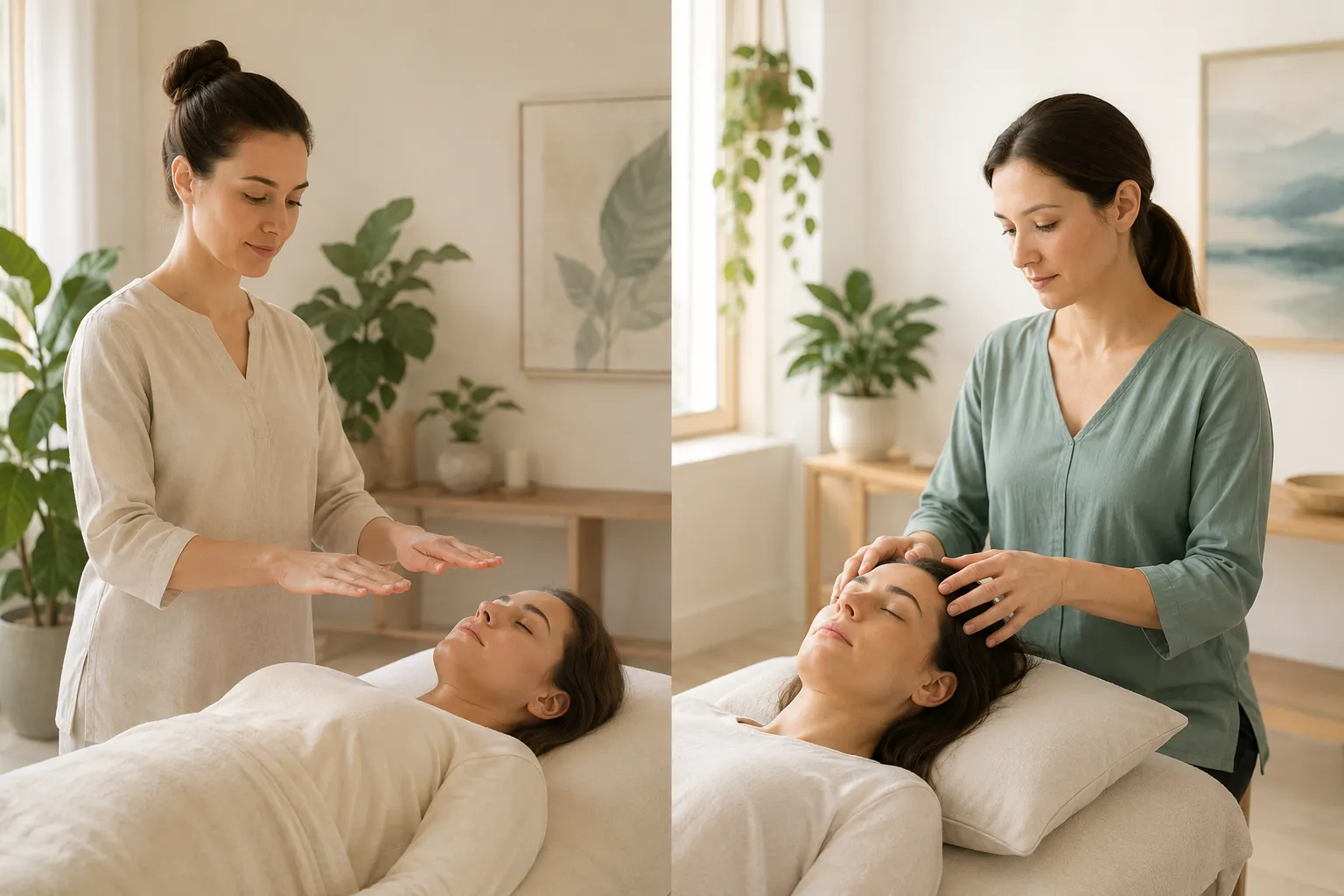
A visual comparing Access Bars touch to traditional massage touch.
Access Bars
Light touch on specific head points. No pressure or kneading.
Traditional massage
Pressure, kneading, and manipulation of muscles.
Shared element
Both involve touch and can be relaxing.
Skim first
Key takeaways
The shortest useful version of this page.
Access Bars is not massage. It uses light touch, not pressure.
Massage involves kneading and muscle manipulation.
Both can be relaxing.
Only massage is recognized physical therapy.
Access Bars focuses on head points.
Do not expect massage benefits from Access Bars.
How the "massage" description started
- The practice was described in terms that sometimes sounded like massage.The comparison to massage became common in marketing.
- Practitioners began describing Access Bars as relaxing to attract clients.The "massage for the mind" metaphor became popular.
- Many people search for Access Bars massage, expecting a massage experience.The difference between the two practices needs to be clarified.
Traditional massage
What is traditional massage?
Traditional massage involves the manipulation of soft tissues in the body, muscles, tendons, ligaments, and fascia. Techniques include kneading, pressing, rubbing, and stretching.
The purpose of massage is typically to relieve muscle tension, improve circulation, reduce stress, and promote relaxation. It is a recognized form of physical therapy with varying levels of evidence for different conditions.
Massage therapists are trained in anatomy and physiology. They use pressure that varies from light to deep, depending on the technique and the client's needs.
Massage is not the same as Access Bars, which uses only light touch on the head without muscle manipulation.
Access Bars explained
What is Access Bars, and why isn't it massage?
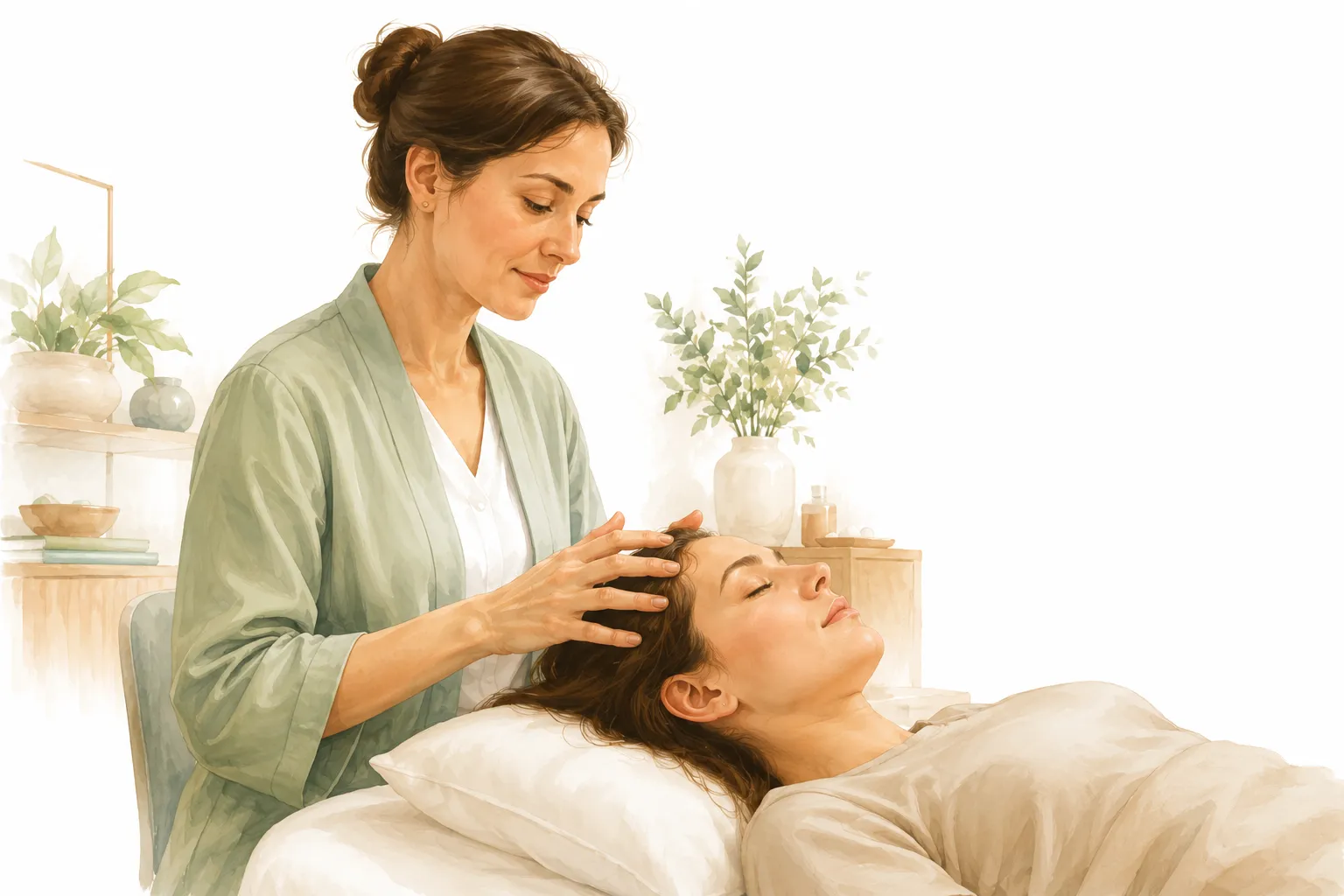
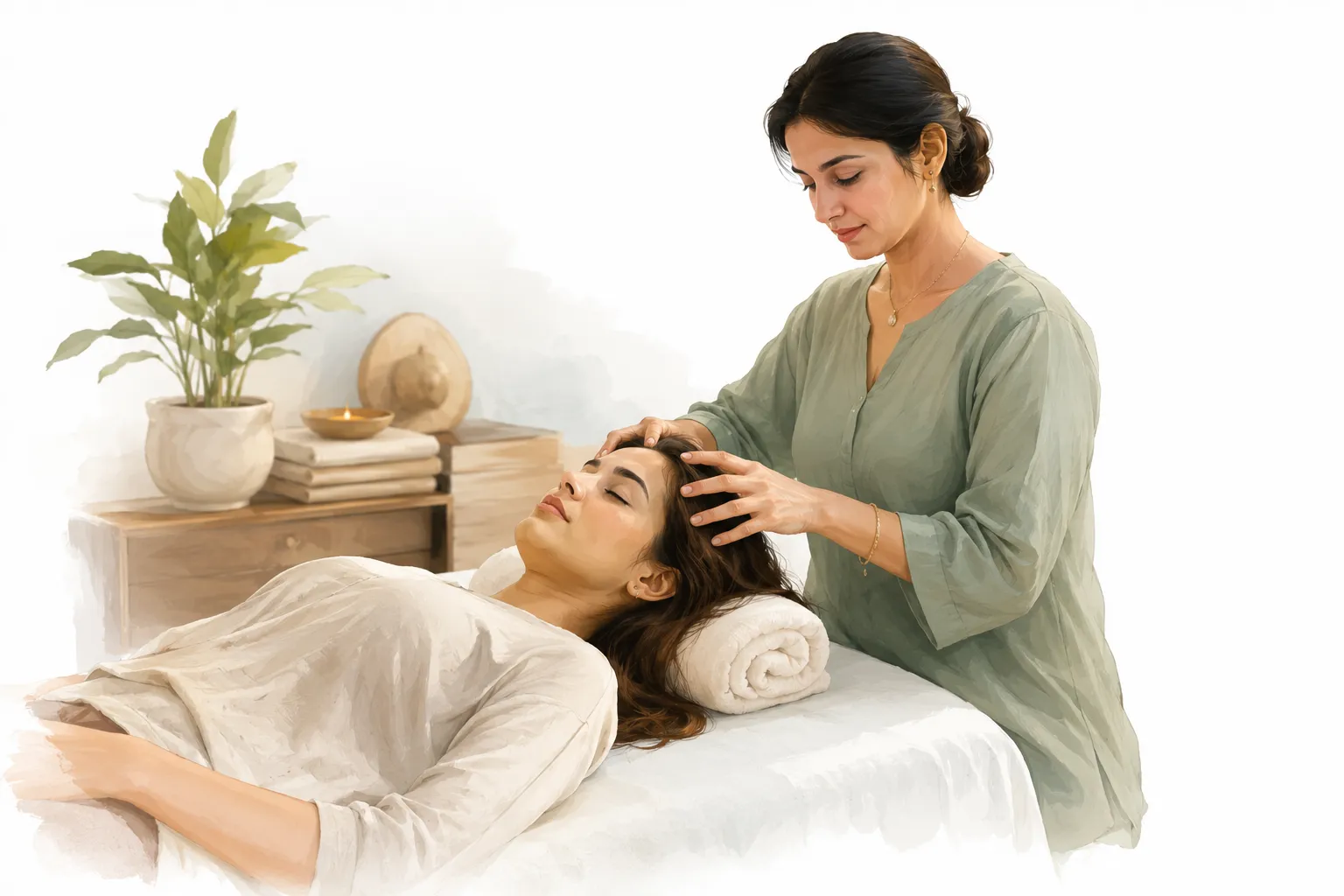
Access Bars involves gentle touch on 32 specific points on the head. The touch is light, more like holding than pressing[citation:1].
It does not involve kneading muscles, applying pressure, or manipulating soft tissue. The recipient remains fully clothed.
According to the Access Consciousness system, the purpose is to release stored thoughts, emotions, and beliefs, not to relieve muscle tension[citation:1].
While both can be relaxing, the technique and claimed purpose are different. Access Bars is not a form of physical therapy, and it is not regulated as massage therapy.
Access Bars vs massage: Side-by-side
The table below summarizes the key differences between Access Bars and traditional massage.
Touch type
Gentle fingertip touch
Pressure, kneading, rubbing
Focus area
32 points on the head
Muscles and soft tissue (whole body or specific areas)
Purpose
Release stored thoughts and emotions (claimed)
Relieve muscle tension, reduce stress
Recipient clothing
Fully clothed
Often partially or fully undressed
Regulation
Minimal; not recognized as therapy
Varies by region; often regulated
Training
Access Bars practitioner course (1-2 days)[citation:12]
Massage school (months to years)
Evidence
Limited independent evidence
Strong for some uses
How different groups view the massage comparison
- Practitioner
Some practitioners describe Access Bars as relaxing and compare it to massage to help clients understand. Others avoid the comparison to prevent confusion.
- Participant
Recipients often find Access Bars relaxing, sometimes comparing it to a massage experience.
- Balanced view
The comparison can be helpful as a metaphor, but it is not literal. The techniques and purposes are different.
- Evidence view
The evidence for Access Bars is much more limited than for many forms of massage.
Do not expect the physical therapy benefits of massage from Access Bars.
Evidence scan
What does the evidence say about Access Bars compared to massage?
The evidence question is whether Access Bars produces the same benefits as massage or any specific benefits at all.
Overall: not enough evidence
Leans in favor
Points that support the claim
Massage is effective for muscle tension and stress.
There is strong evidence for some forms of massage for some conditions.
Unclear or mixed
Not clearly for or against
Access Bars provides relaxation.
Participant reports support relaxation, but this is not specific to Access Bars and is not the same as massage therapy.
Leans against
Points that do not support the claim
Access Bars provides muscle relaxation like massage.
Access Bars does not involve muscle manipulation. Any relaxation is from gentle touch and rest, not muscle therapy.
Reality check
Common misunderstandings about Access Bars and massage
- Myth
Access Bars is a type of massage.
RealityIt is not. It uses very light touch without pressure or kneading[citation:1].
- Myth
Access Bars provides the same benefits as massage.
RealityAccess Bars does not provide the muscle therapy benefits of massage.
- Myth
Access Bars is regulated like massage.
RealityIt is not regulated as massage therapy.
- Myth
The "massage" description means it works on muscles.
RealityIt is a metaphor for relaxation, not a description of the technique.
Safety
Is Access Bars safe compared to massage?
Access Bars is gentle and low risk, but it should not be confused with massage therapy for muscle or physical issues.
Generally low-risk for
- Adults who understand the practice's limitations
- People comfortable with gentle head touch
Use caution if
- You have a head injury or recent surgery
- You are expecting the physical therapy benefits of massage
- A practitioner makes unrealistic claims
Seek professional help if
- You need muscle therapy or physical treatment
- You have persistent symptoms needing a diagnosis
Access Bars is a complementary wellness practice, not a substitute for physical therapy or professional massage.
What to remember about Access Bars and massage
Access Bars is not massage. It uses light touch, not pressure.
Massage involves kneading and muscle manipulation.
Both can be relaxing.
Only massage is recognized physical therapy.
Access Bars focuses on head points.
Do not expect massage benefits from Access Bars.
Verdict
Our verdict on Access Bars vs massage
insufficient-evidence
Access Bars is not massage. It uses light touch on 32 head points, not the pressure and kneading of traditional massage. While both can be relaxing, the techniques and purposes are different. Massage is recognized as physical therapy; Access Bars is a complementary wellness practice with limited evidence. Do not expect the muscle therapy benefits of massage from Access Bars.
What we know
- Access Bars uses light touch, not pressure.
- Massage involves muscle manipulation.
- Both can be relaxing.
- Only massage is recognized physical therapy.
What we do not know
- Whether Access Bars provides any physical therapy benefits.
- Whether the "massage" comparison is helpful or misleading.
If you want a massage, get a massage. If you are curious about Access Bars, try it for what it is (a gentle head-touch practice) but do not confuse it with massage therapy.
Bottom line
Different practices, different purposes
Access Bars is not massage. It uses light touch on head points, not the pressure and kneading of massage. The "massage" description is a metaphor, not a literal description.
Quick answers
Frequently asked questions
What is Access Bars massage?
It is not actually massage. It is a light-touch practice on head points. The name is a metaphor.
Is Access Bars a head massage?
Not really. It uses light touch, not massage pressure or kneading[citation:1].
Can Access Bars help with muscle tension?
There is no evidence for this. For muscle tension, get a massage.
Why do people call it Access Bars massage?
It is often described that way because it is relaxing, but it is not technically massage.
Should I choose Access Bars or massage?
Choose massage for muscle therapy. Choose Access Bars if you are curious about the practice, but understand it is different.
Sources
REPLACE IF AVAILABLE. REPLACE WITH VERIFIED OFFICIAL ACCESS BARS PAGE TITLE. Access Consciousness, REPLACE_IF_AVAILABLE. Accessed YYYY-MM-DD
Use to establish what Access Consciousness claims about the practice.
REPLACE IF AVAILABLE. REPLACE WITH VERIFIED MASSAGE THERAPY SOURCE. REPLACE WITH RECOGNIZED MASSAGE ORGANIZATION, REPLACE IF AVAILABLE. Accessed YYYY-MM-DD
Use to establish what massage therapy involves.