The practitioner pathway
What it takes to become an Access Bars practitioner
Becoming an Access Bars practitioner is one of the most accessible pathways in complementary wellness. The training is a single day, and anyone can attend regardless of prior experience.
The process is simple: find a certified facilitator, attend and complete the one-day class, and receive your certification. Once certified, you can offer Access Bars sessions to clients.
However, becoming a practitioner does not make you a healthcare provider. The certification is a training credential, not a clinical license. It qualifies you to offer a specific complementary wellness technique, not to diagnose, treat, or practice therapy.
Understanding this distinction is essential. The practitioner role is about offering a gentle, hands-on wellness practice. It is not a substitute for professional healthcare qualifications.
Skim first
Key takeaways
The shortest useful version of this page.
Practitioner certification requires a one-day class.
No prior experience is required.
You learn the technique through instruction and practice.
Certification allows you to offer Access Bars sessions.
You are not a licensed healthcare provider.
The credential is a training certificate, not a clinical license.
The cost is typically $200 to $500 USD.
Confidence and skill develop with practice.
What a practitioner does
What does an Access Bars practitioner actually do?
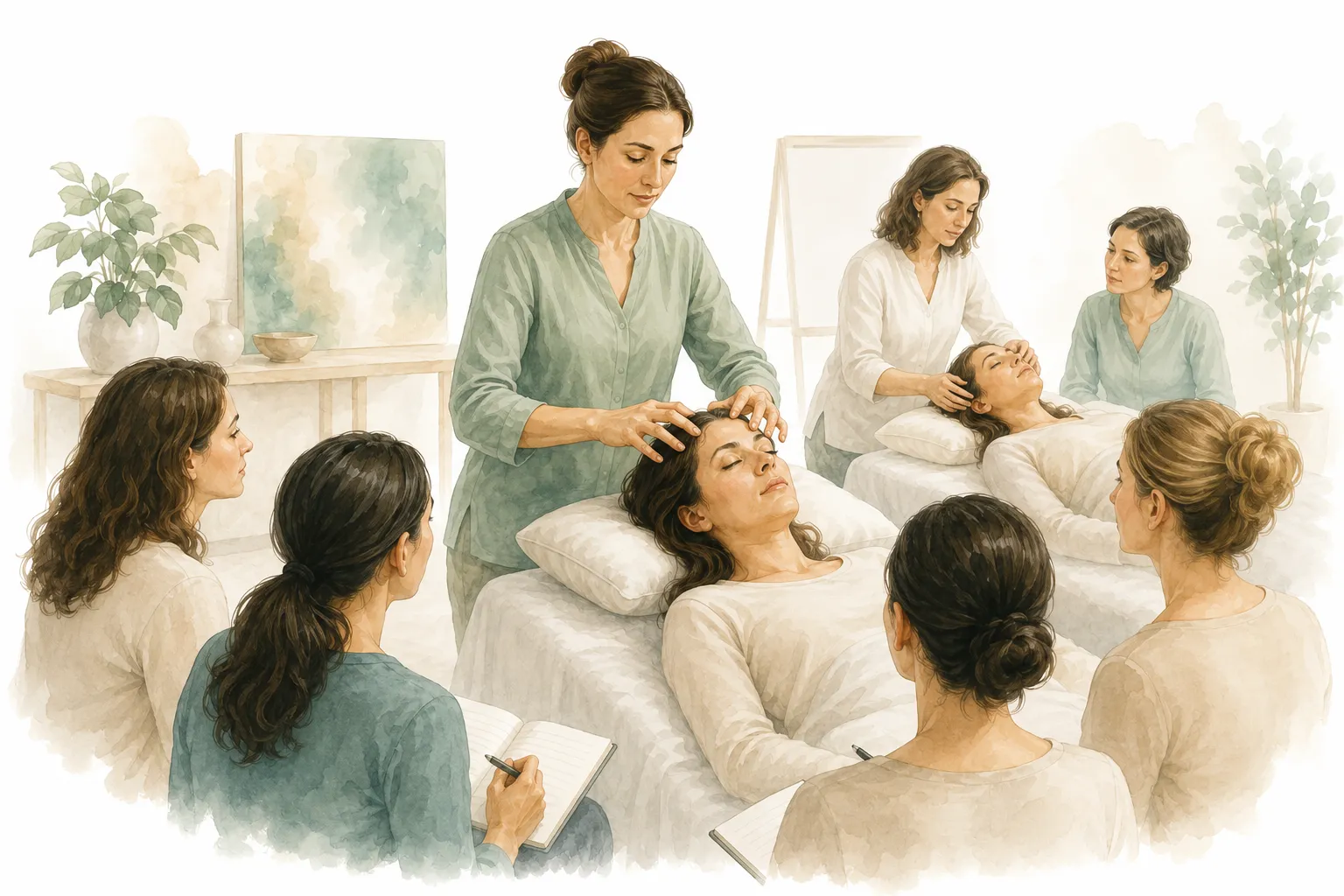
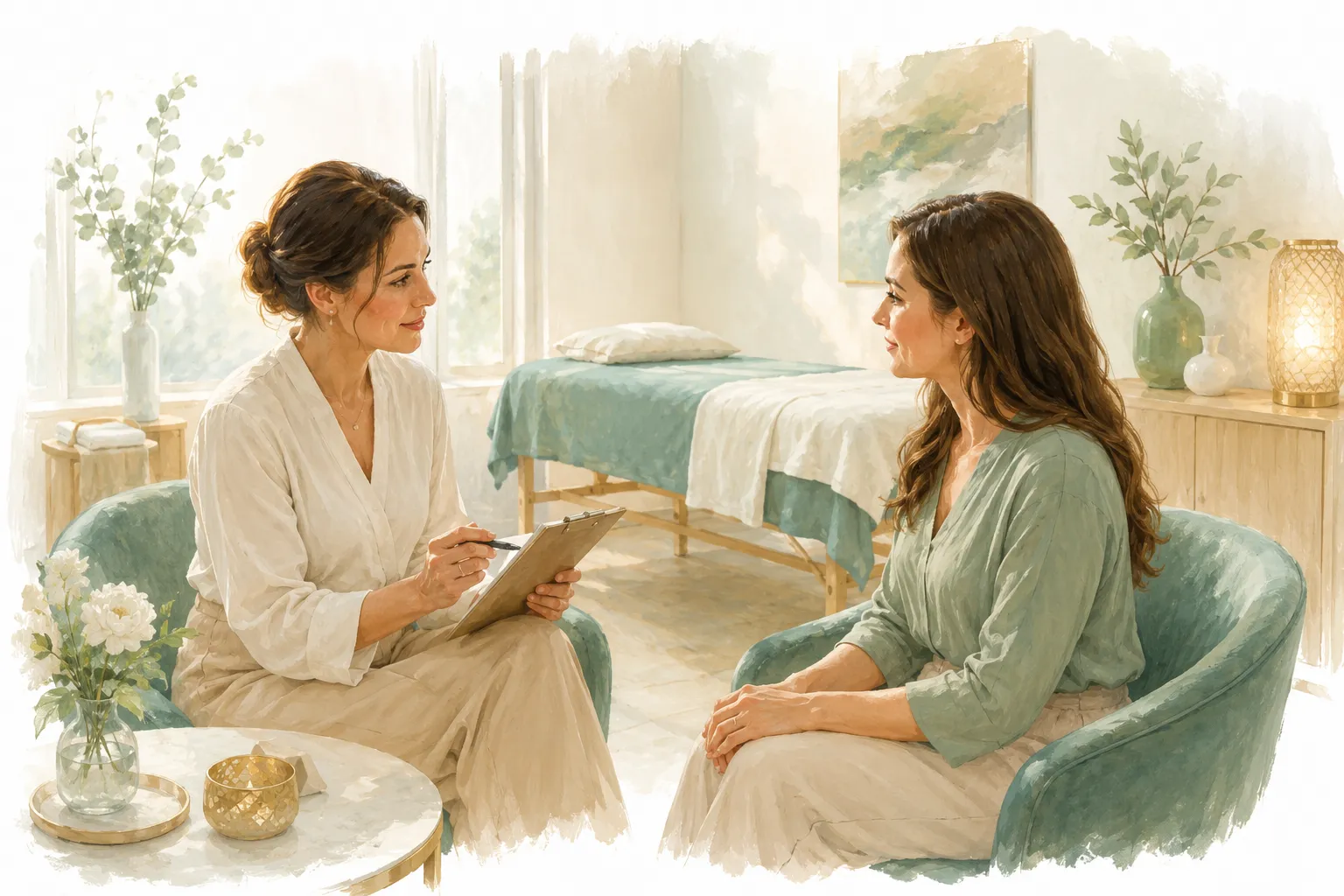
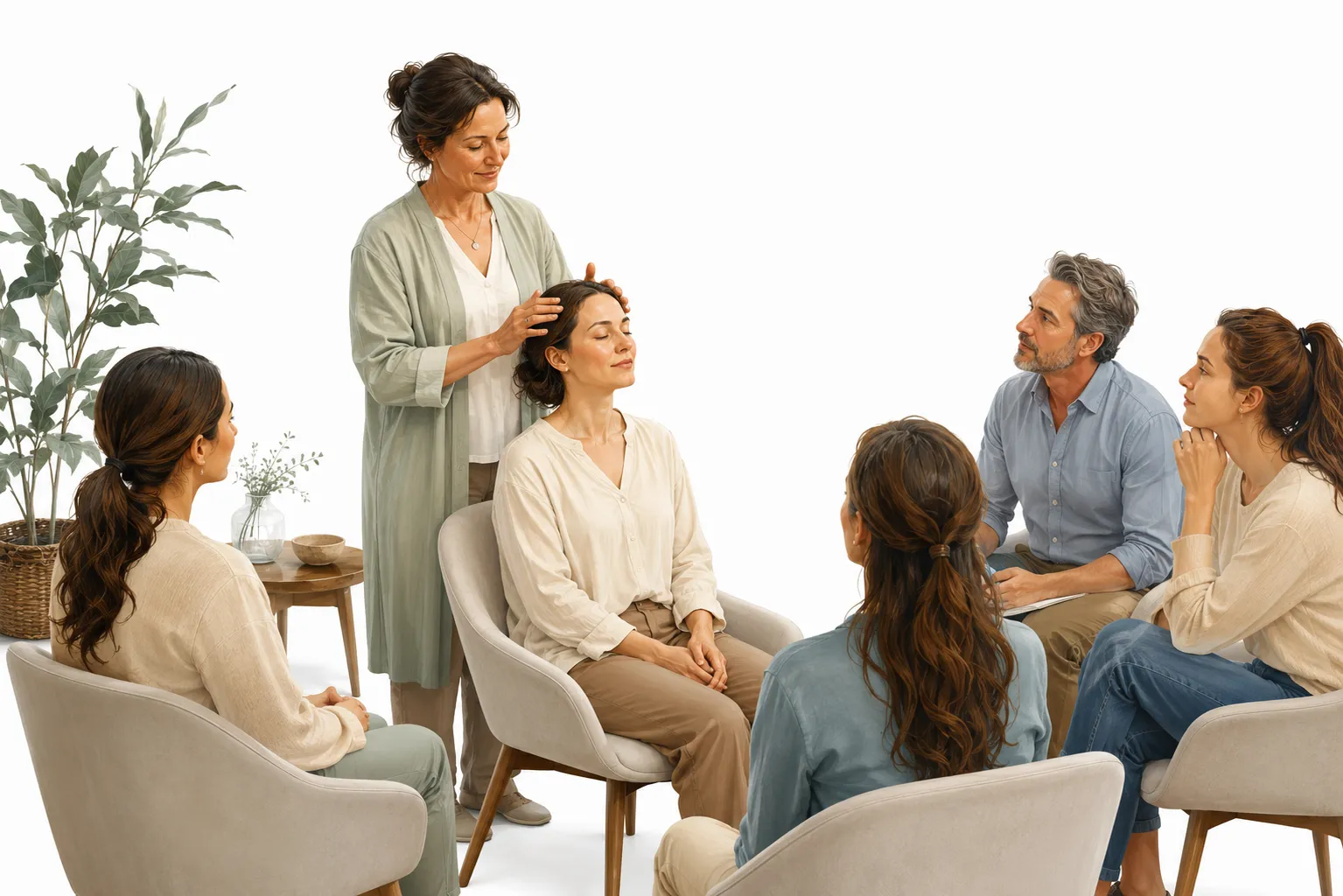
An Access Bars practitioner offers sessions to clients who are interested in experiencing the technique. The practitioner creates a comfortable, safe environment, explains the process to the client, and performs the Bars technique during the session.
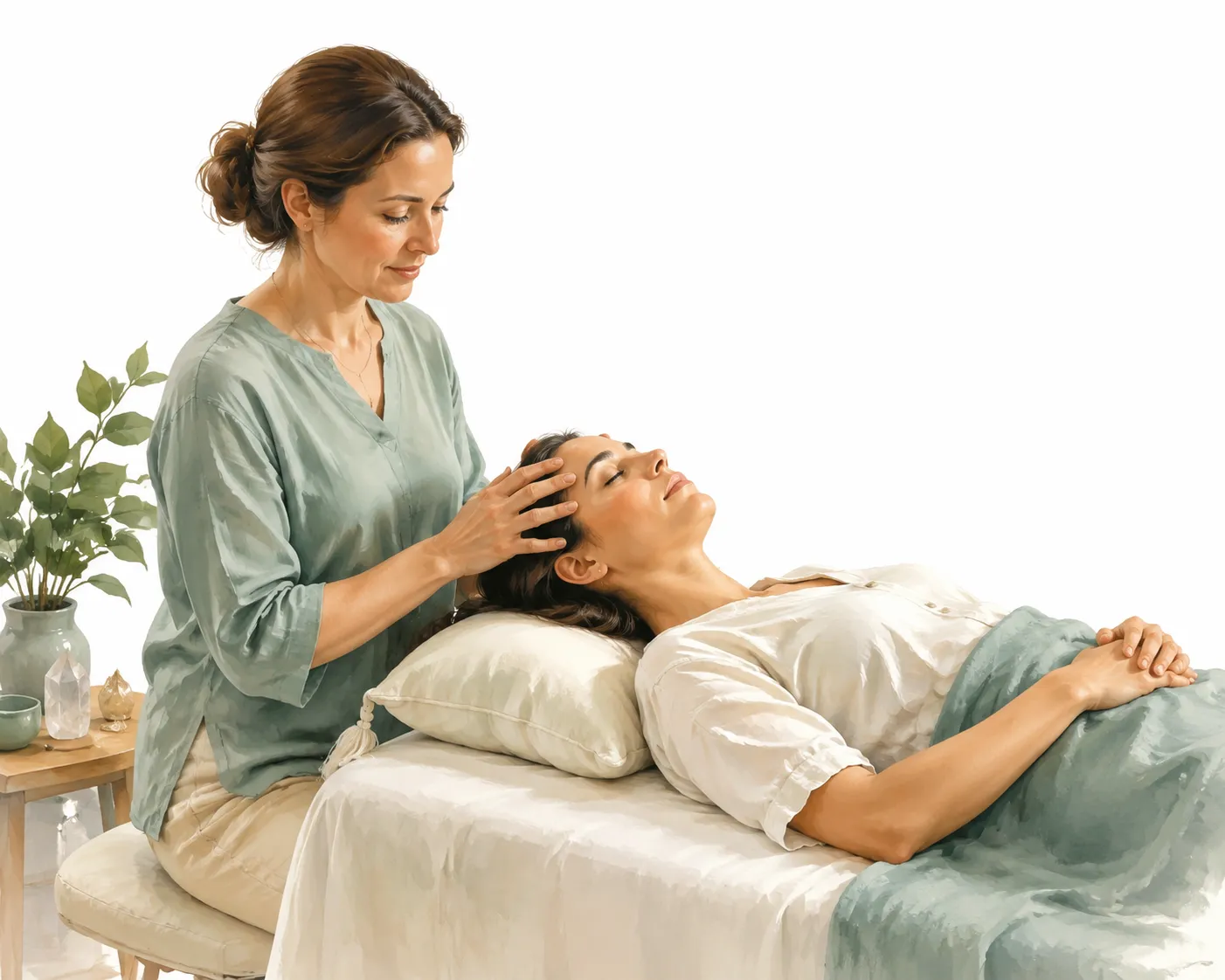
The practitioner works primarily with their hands, using light touch on the designated head points. The recipient rests fully clothed while the practitioner moves through the session sequence.
Practitioners may work in wellness centers, as independent providers, or from home-based studios. Some offer Access Bars as one of several complementary services they provide.
The practitioner's role is one of a wellness service provider, not a healthcare provider. Practitioners do not diagnose, treat, or give medical advice. Their role is to facilitate a relaxation-oriented experience.
Step-by-step pathway to becoming a practitioner
The pathway is straightforward and accessible to anyone.
1. Find a certified facilitator
Search for an Access Bars facilitator offering the practitioner certification class in your area or location you can travel to.
None.
Varies. · Variable.2. Register for the class
Complete registration and payment for the one-day certification class.
$200 to $500 USD. · At registration.3. Attend the training
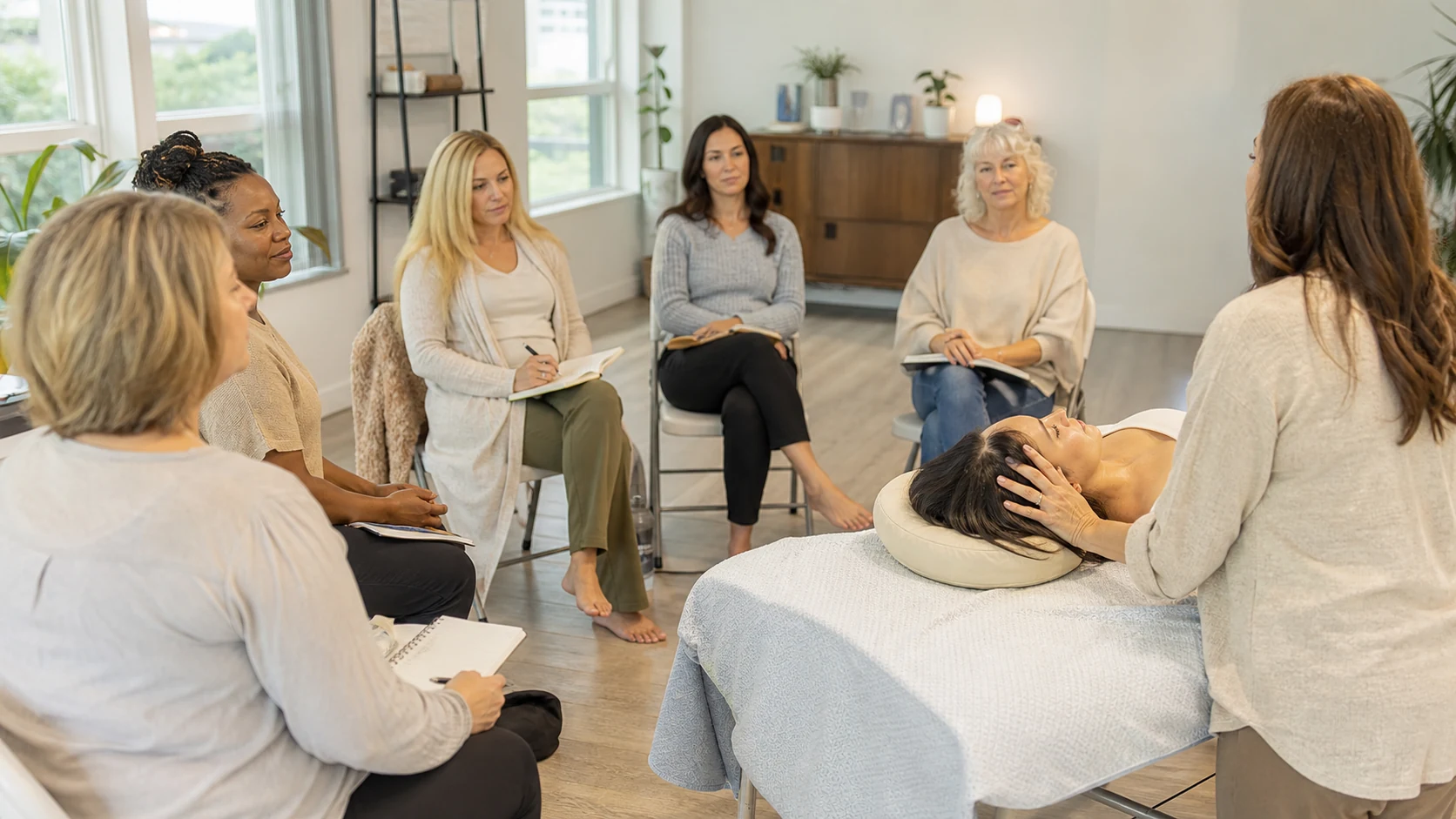
Participate in the one-day class, learning the technique through instruction, demonstration, and supervised hands-on practice.
Full participation.
8 hours.4. Complete the practice sessions
Give and receive multiple Bars sessions during the class to develop familiarity with the points and session flow.
Active participation.
During the class.5. Receive your certification
Upon completing the class, you receive your certification and can begin offering sessions to clients.
Attendance and participation.
At the end of the class.6. Build your practice (optional)
Many practitioners begin offering sessions, developing their skills and confidence through experience.
Certification and practice.
What does it cost to become an Access Bars practitioner?
The primary cost is the certification class. Additional expenses may apply.
| Certification class | $200 to $500 | The standard cost for the one-day Access Bars Practitioner certification class. |
|---|---|---|
| Returning participants | $100 to $250 | Discounted rate for practitioners retaking the class. |
| Travel and accommodation | Participants cover their own travel, accommodation, and meals. | |
| Business expenses | Practitioners may choose to invest in business insurance, marketing, or session supplies. |
- Prices vary by country and region.
- Group or early-bird discounts may be available.
- Payment is typically required at registration.
What practitioners say about becoming certified
- Practitioner
Practitioners often describe the certification process as straightforward and the technique as easy to learn. Many emphasize that confidence grows with practice.
- Participant
Newly certified practitioners often express excitement about offering sessions. Some feel nervous initially but gain confidence after their first few sessions.
- Student
Students typically find the class enjoyable and appreciate the hands-on nature of the training. Some wish for more ongoing support after the class.
- Facilitator
Facilitators view certification as the beginning of a practitioner's journey, encouraging ongoing practice and continued learning.
- Balanced view
These perspectives describe the certification experience, not the validity of the technique or its claims.
- Evidence view
The training provides practical skills, not clinical evidence. The technique's proposed effects are not scientifically established.
Practitioners should represent themselves accurately, avoiding claims that they are healthcare providers or that Access Bars is a medical treatment.
Access Bars practitioner vs. other wellness roles
Understanding the distinction helps set expectations.
Training duration
One day (8 hours)
Years of education and supervised practice
Prerequisites
None required
Advanced degrees, licenses, supervised practice
Regulation
Not generally regulated
Highly regulated by professional bodies
Scope
Offer Access Bars sessions
Diagnose, treat, prescribe, manage conditions
Evidence base
Limited independent evidence
Extensive research base
Reality check
Common misunderstandings about becoming a practitioner
- Myth
You need a healthcare background to become a practitioner.
RealityNo prior experience is required. The class is open to everyone.
- Myth
Becoming a practitioner makes you a therapist.
RealityYou become a certified Access Bars practitioner, not a licensed therapist or healthcare provider.
- Myth
It takes months or years to become certified.
RealityThe certification class takes one day.
- Myth
Certification is only available to certain people.
RealityThe class is open to anyone, regardless of age or background (age restrictions may apply).
- Myth
Practitioners are government-licensed professionals.
RealityAccess Bars is not typically regulated by government bodies. Certification is a training credential.
What to remember about becoming an Access Bars practitioner
The certification class takes one day.
No prior experience is required.
You learn the technique through instruction and practice.
Certification is provided upon completion.
You can offer Access Bars sessions to clients.
You are not a licensed healthcare provider.
The credential is a training certificate, not a clinical license.
Confidence and skill develop with practice.
Verdict
Our evidence-based verdict on becoming a practitioner
insufficient-evidence
Becoming an Access Bars practitioner is an accessible process requiring a one-day certification class. The credential qualifies you to offer Access Bars sessions as a complementary wellness practice. However, it is not a clinical license and does not qualify you to practice therapy or medicine. The technique's broader claims are not supported by strong independent evidence.
What we know
- Practitioner certification requires a one-day class.
- No prior experience is required.
- Certification allows you to offer Access Bars sessions.
- The credential is a training certificate, not a clinical license.
What we do not know
- Whether the technique produces specific therapeutic effects.
- Whether the training prepares practitioners for clinical outcomes.
- Whether the technique works through the proposed mechanism.
Becoming a practitioner is accessible and practical. Approach it as offering a complementary wellness technique, not as acquiring clinical qualifications.
Bottom line
Accessible credential, limited evidence
Becoming a practitioner is straightforward: take a day, learn the technique, get certified. The credential qualifies you to offer a complementary wellness service, not clinical therapy.
Quick answers
Frequently asked questions
What is an Access Bars practitioner?
A certified individual who offers Access Bars sessions to clients, performing the gentle head-touch technique in a wellness setting.
How long does it take to become an Access Bars practitioner?
The certification class takes one day.
Can I practice Access Bars without certification?
Practitioners are generally expected to be certified. Certification indicates you have completed the formal training.
What do I need to start offering Access Bars sessions?
You need certification, a comfortable space to offer sessions, and appropriate business arrangements (insurance, marketing, etc.).
Can I practice Access Bars on anyone?
Yes, with appropriate consent and within the scope of your training. Do not practice on individuals who are medically vulnerable without appropriate professional support.
Sources
REPLACE IF AVAILABLE. REPLACE WITH VERIFIED OFFICIAL ACCESS BARS PAGE TITLE. Access Consciousness, REPLACE_IF_AVAILABLE. Accessed YYYY-MM-DD
Use to establish the official practitioner certification process.
REPLACE WITH VERIFIED AUTHORS. REPLACE WITH VERIFIED RESEARCH PAPER TITLE. REPLACE WITH VERIFIED JOURNAL, REPLACE WITH VERIFIED DATE. Accessed YYYY-MM-DD
Use to assess evidence for the technique.