Athletes and Access Bars
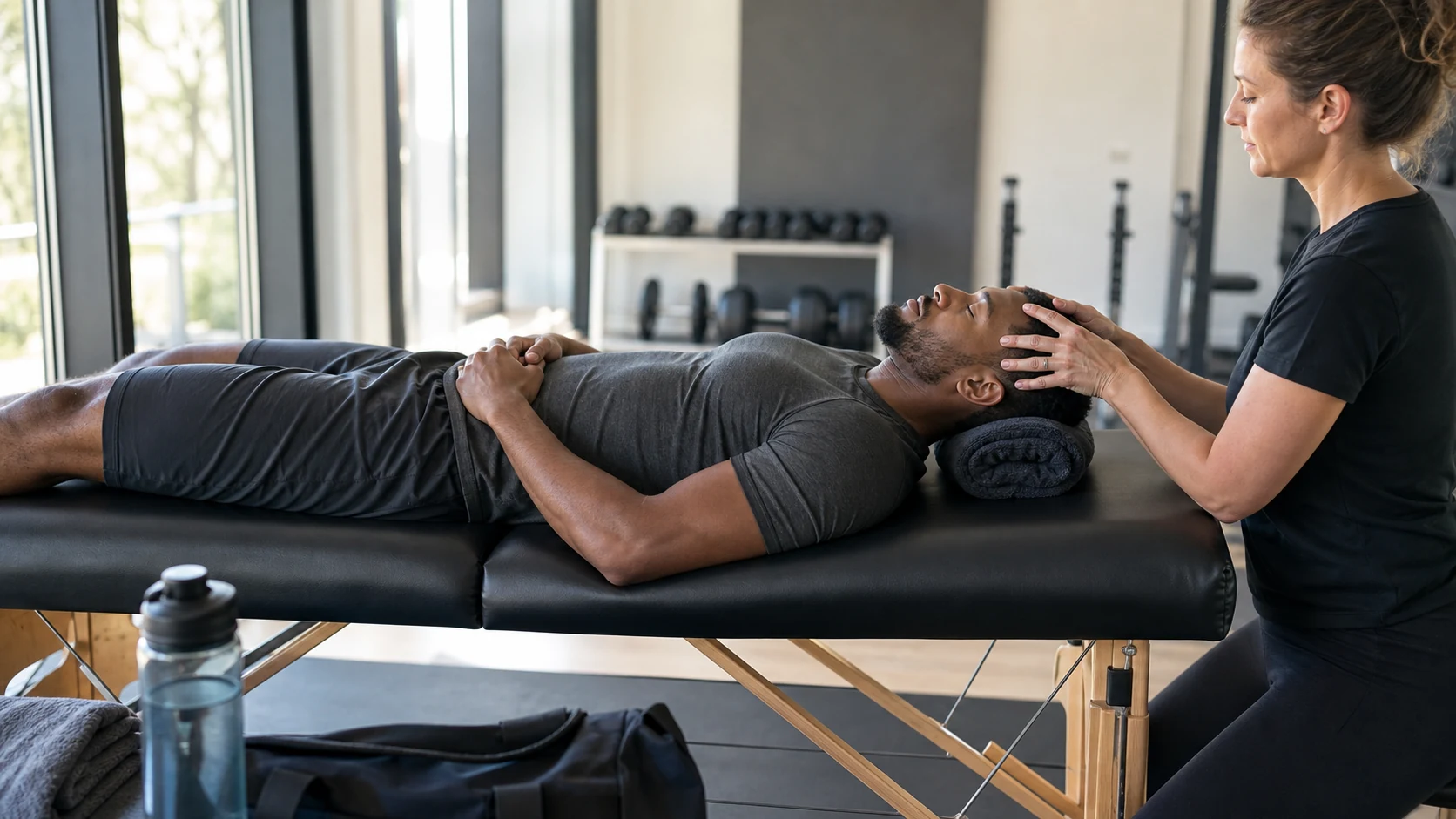
How is Access Bars used in sports?
Elite athletes face enormous pressure. The physical demands of training and competition are matched by mental challenges: performance anxiety, self-doubt, pressure to win, and the stress of recovery.
Access Bars has been promoted by some as a tool for "mental training." Practitioners suggest it can help athletes clear mental blocks, reduce performance anxiety, and recover from the psychological toll of competition. Some sports organizations have reportedly used Access Bars as part of a broader wellness program [citation:15].
A notable example is former NFL running back and Heisman Trophy winner Ricky Williams, who has spoken about using Access Consciousness tools, including Access Bars, during his career [citation:15]. He described it as helping him move beyond mental limitations and quiet negative thought loops.
While these endorsements are notable, they represent individual experiences. They do not constitute scientific evidence that Access Bars improves athletic performance.
How Access Bars might support athletes
A diagram showing the claimed benefits of Access Bars for athletes versus the relaxation effects.
Claimed benefits
Improved focus, reduced anxiety, faster mental recovery, peak performance.
Actual likely benefit
Stress reduction, relaxation, mental clarity.
Evidence status
Performance claims are not scientifically verified.
Skim first
Key takeaways
The shortest useful version of this page.
Access Bars is not a proven performance enhancer.
Some athletes use it for relaxation and mental clarity [citation:15].
Stress reduction can indirectly support performance.
It should not replace evidence-based training or sport psychology.
Use it as optional relaxation, not as a performance strategy.
Athletes and Access Bars
- Access Bars developed as a general wellness practice.It wasn't designed specifically for athletes.
- Some athletes began using Access Bars for mental training.Individual testimonials and word-of-mouth spread the practice in sports.
- Former NFL player speaks about using Access Consciousness tools [citation:15].This brought attention to the practice in sports contexts.
- Access Bars is sometimes offered to athletes as complementary support.Some sports organizations include it in wellness programs [citation:15].
The mental side of sport
What mental challenges do athletes face?
Athletes face unique mental challenges. Performance anxiety, fear of failure, pressure to win, and the stress of competition can all affect mental health and performance.
Recovery is also mental. After intense training or competition, athletes need to rest their minds as well as their bodies. Mental fatigue can lead to burnout, reduced motivation, and poor decision-making.
Many athletes use psychological strategies to manage these challenges: visualization, mindfulness, breathing exercises, and sport psychology. Access Bars is sometimes promoted as another tool in this mental toolkit.
The relaxation response produced by Access Bars may help athletes reduce stress and feel more mentally clear. This could indirectly support performance by improving focus and reducing anxiety.
The Access Bars explanation
How does Access Bars claim to help athletes?
Within Access Consciousness, performance is sometimes described as being blocked by limiting thoughts, beliefs, or patterns. For an athlete, this could mean self-doubt, fear of failure, or old injuries holding them back.
Practitioners claim that touching the 32 Bars points can release these mental blocks. This is said to allow athletes to perform more freely, with less mental interference and greater confidence [citation:15].
This explanation is part of the Access Consciousness framework. There is no scientific evidence that thoughts or beliefs are stored in specific head points or that touching them releases them.
A simpler explanation is that Access Bars provides deep relaxation, which can help athletes clear mental clutter, reduce anxiety, and enter a more focused state. This is a valuable effect, even without the more ambitious claims.
What do practitioners and athletes say?
- Practitioner
Some practitioners offer Access Bars specifically for athletes and high performers. They describe it as a way to release mental blocks, reduce stress, and enhance focus [citation:15].
- Participant
Athletes report a range of experiences. Some say they feel calmer, more focused, or more in the zone after sessions. Others find it relaxing but don't notice a big difference in performance.
- Balanced view
These experiences are meaningful but anecdotal. They do not prove that Access Bars enhances athletic performance.
- Evidence view
Independent evidence for Access Bars in sports is essentially nonexistent. No rigorous studies have been conducted.
Access Bars should not replace evidence-based training, sport psychology, or physical recovery.
Evidence scan
What does the evidence say?
The evidence for Access Bars in sports is limited to anecdotal reports and individual athlete experiences [citation:15].
Overall: not enough evidence
Unclear or mixed
Not clearly for or against
Access Bars reduces performance anxiety in athletes.
Some athletes report feeling calmer [citation:15]. This is anecdotal and not supported by independent research.
Access Bars aids mental recovery for athletes.
Relaxation can help with mental recovery. Access Bars may provide this effect, but it has not been studied in athletes.
Leans against
Points that do not support the claim
Access Bars improves athletic performance.
There is no scientific evidence to support this claim. Performance requires training, technique, and physical conditioning.
Reality check
Common misunderstandings about Access Bars for athletes
- Myth
Access Bars can make you a better athlete.
RealityThere is no evidence that Access Bars improves athletic performance.
- Myth
Access Bars is used by all elite athletes.
RealityA few athletes have used it. It is not a standard practice in sport.
- Myth
Access Bars replaces mental training or sport psychology.
RealityIt is not a substitute for evidence-based mental training.
- Myth
If an athlete says it works, it must be proven.
RealityPersonal testimonies are not scientific evidence.
Safety
Is Access Bars safe for athletes?
The gentle touch procedure is generally safe for athletes, with low physical risk.
Generally low-risk for
- Athletes seeking relaxation and stress reduction
- Those continuing their training and recovery routines
- Those who understand the limitations
Use caution if
- You have a recent concussion or head injury
- You are in a high-pressure competition phase and need proven methods
- A practitioner promises improved performance
Seek professional help if
- You have performance anxiety or mental health concerns
- You need evidence-based sport psychology support
Access Bars is not a performance enhancer. It should be used as an optional relaxation tool.
What to remember about Access Bars for athletes
Access Bars is not a proven performance enhancer.
Some athletes use it for relaxation and mental clarity [citation:15].
Ricky Williams is a notable athlete who used Access Consciousness tools [citation:15].
Stress reduction can indirectly benefit performance.
Access Bars should not replace evidence-based training or sport psychology.
Use it as complementary relaxation, not as a performance strategy.
Verdict
Our verdict on Access Bars for athletes
insufficient-evidence
Access Bars is not an evidence-based tool for athletic performance enhancement. It may provide relaxation and stress reduction, which could indirectly support performance, but it should not replace proven training and sport psychology methods.
What we know
- Access Bars provides relaxation for some people.
- Some athletes have reported feeling calmer [citation:15].
- Stress reduction can support performance indirectly.
What we do not know
- Whether Access Bars improves athletic performance.
- Whether it has specific benefits for athletes.
If you are an athlete, focus on evidence-based training, recovery, and sport psychology. Access Bars could be tried as optional relaxation, but don't expect it to make you a better athlete.
Bottom line
Relaxation is valuable, but it's not training
Athletes need proven methods to improve performance. Access Bars may offer a moment of calm, but it is not a performance enhancer. Keep your focus on evidence-based training and recovery.
Quick answers
Frequently asked questions
Can Access Bars help athletes perform better?
There is no evidence. Some athletes use it for relaxation.
Is Access Bars used in professional sports?
Some athletes have used it, but it is not standard [citation:15].
Does Access Bars replace sport psychology?
No. Evidence-based sport psychology is different.
Is Access Bars safe for athletes?
Yes, as a relaxation tool. It is not a performance enhancer.
Sources
Access Consciousness. Access Consciousness Official Website - About Access Bars. Access Consciousness, REPLACE_IF_AVAILABLE. Accessed 2026-07-17
Use to establish official claims about Access Bars.
Bars in Business. Bars in Business LinkedIn - Ricky Williams Testimonial [citation:15]. LinkedIn, REPLACE_IF_AVAILABLE. Accessed 2026-07-17
Use for the example of Ricky Williams using Access Consciousness tools.
REPLACE WITH AUTHOR IF AVAILABLE. REPLACE WITH VERIFIED SPORT PSYCHOLOGY GUIDANCE. REPLACE WITH PUBLISHER, REPLACE_IF_AVAILABLE. Accessed 2026-07-17
Use for evidence-based information on sport psychology.