Two different answers
What's claimed vs. what's observed
Ask a practitioner what Access Bars does and you'll typically hear about release: releasing stuck thoughts, releasing old decisions, releasing the emotional charge attached to a particular area of life. That's the claimed effect, described in the vocabulary of Access Consciousness.
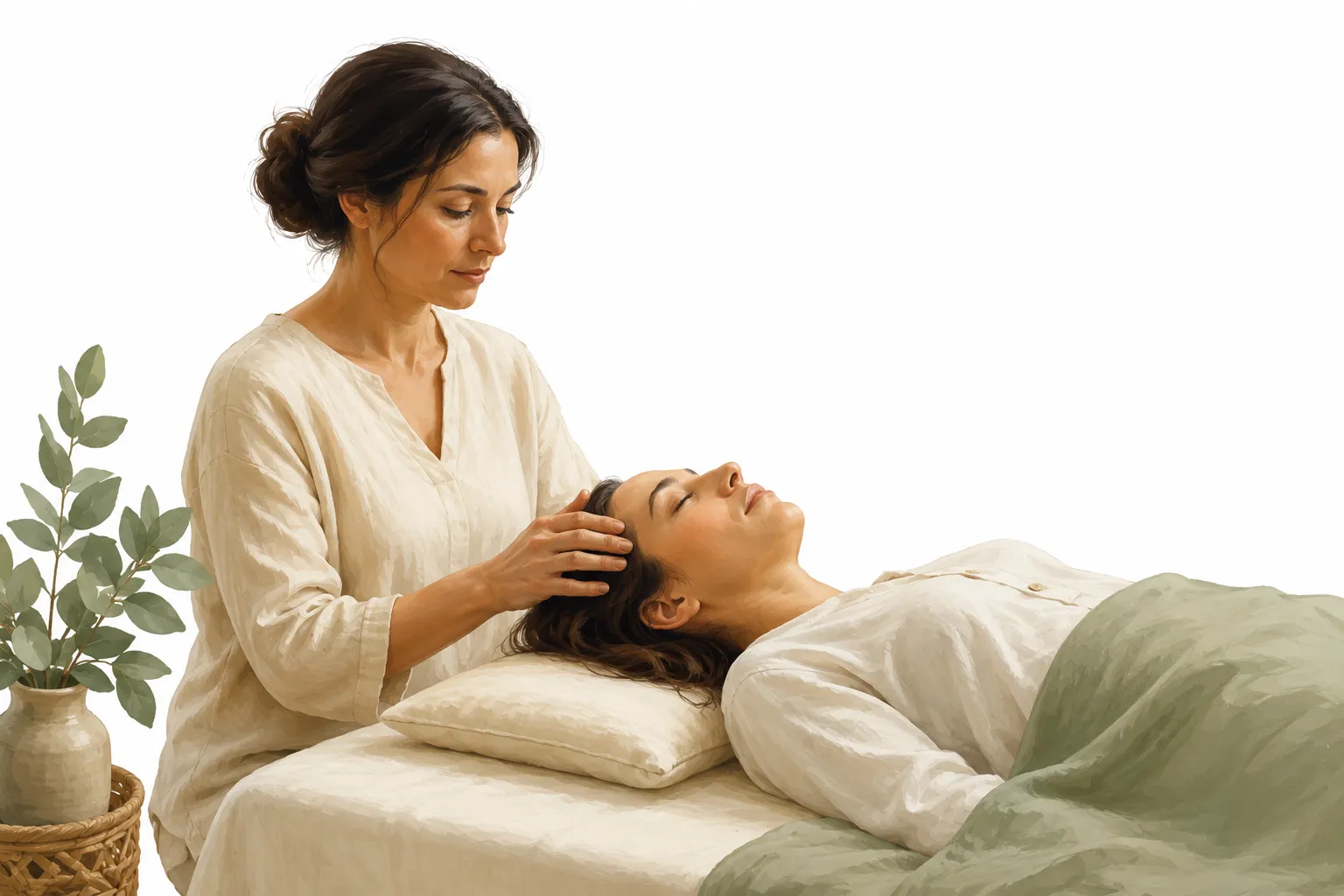
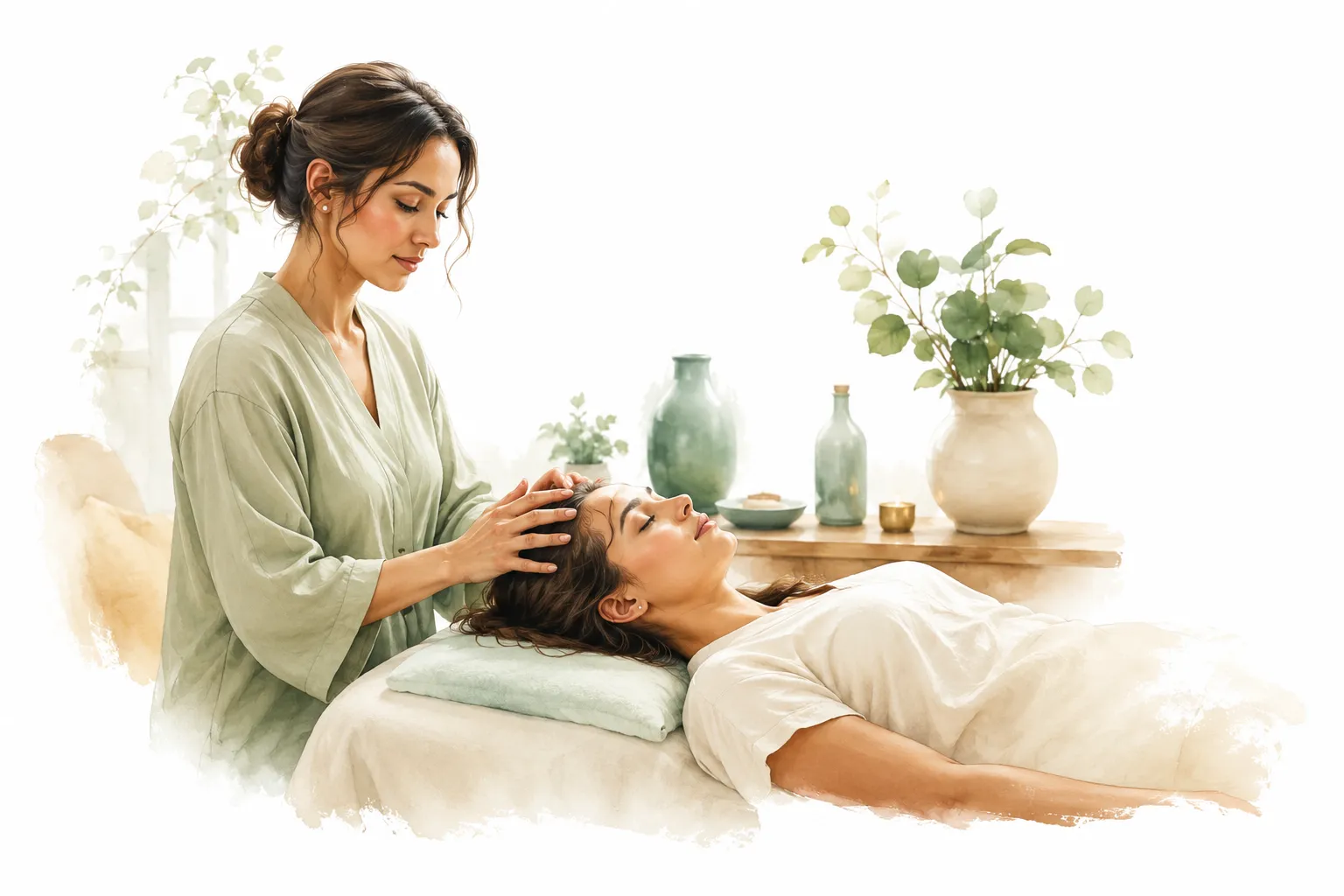
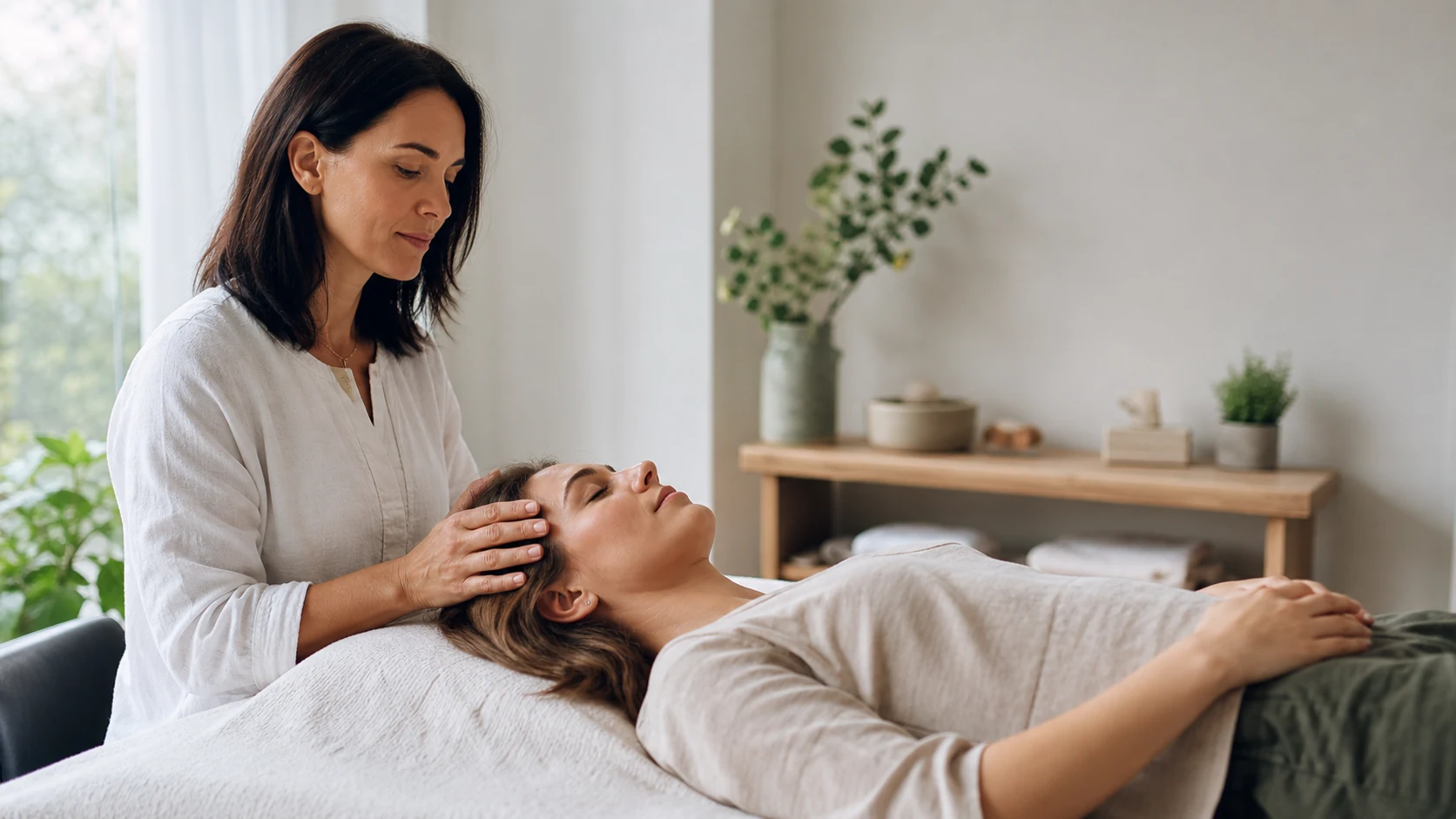
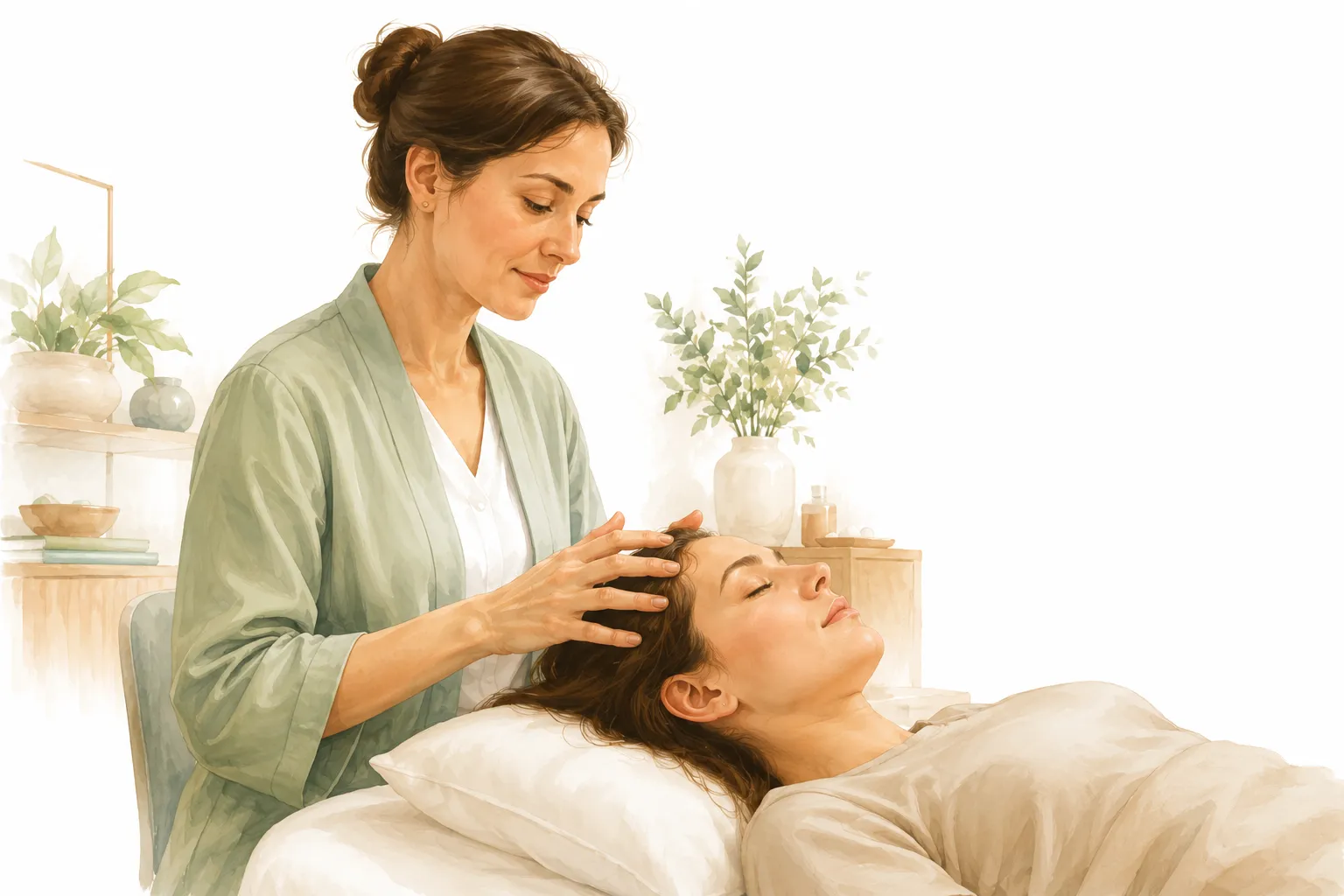
Ask what can actually be observed during a session, and the answer is more modest: a person lies still, receives calm and sustained attention from another person, and — like most people in that situation — often becomes visibly relaxed, sometimes drowsy or briefly emotional. None of that requires accepting the specific theory of stored electromagnetic charge to explain.
The gap between those two answers is exactly where the science stands. Relaxation from rest and attention is well understood and doesn't need Access Bars specifically to explain it. The more specific claim — that touching named points releases stored thoughts tied to particular life themes — is a claim about an energetic mechanism that hasn't been independently tested and confirmed.
A useful way to hold both answers at once: describe what you observe in plain terms (a relaxing hour of quiet touch), and treat the "release" language as the practitioner's interpretation of that experience, not a confirmed fact about what happened in your body.
Skim first
Key takeaways
The shortest useful version of this page.
Physically, Access Bars is light touch on 32 head points over about an hour.
Practitioners claim this releases stored thoughts and emotional charge.
The most commonly observed effect is relaxation.
The specific claimed mechanism hasn't been independently confirmed.
Reported effects are generally described as short-term.
The process, layer by layer
Breaking the session into what physically happens, what's claimed, and what's confirmed.
Physical layer: light touch
The practitioner gently rests fingertips on combinations of the 32 named head points, moving through a taught sequence.
Claimed layer: energetic release
Access Consciousness describes this touch as discharging stored thoughts, feelings, and points of view associated with each point's theme.
Observable layer: relaxation response
Most people become visibly calmer, sometimes drowsy, occasionally emotional — consistent with rest and sustained attentive touch generally.
Confirmed layer: what science actually supports
Rest and attention producing relaxation is well established; the specific point-release theory is not independently confirmed.
What happens next
What people commonly notice afterward
Immediately after a session, many people describe feeling notably calm, sometimes a bit foggy or "spaced out," similar to waking from a nap. This tends to fade within a few hours as normal alertness returns.
Some people report a longer-lasting sense of mental clarity or lightness over the following days; others notice no lasting change beyond the immediate relaxation. Both experiences are commonly reported, and neither has been formally measured through independent, controlled research.
Emotional responses during or after a session — including unexpected tears or a rush of feeling — are also reported by some participants. Practitioners typically frame this as part of the "release" process; it's also consistent with how many people respond to an unusually quiet, attentive hour away from daily distractions.
Reality check
Common misunderstandings
- Myth
If you don't feel anything, nothing happened.
RealityNot everyone notices a strong effect, and that doesn't necessarily mean the session was performed incorrectly.
- Myth
Emotional release during a session proves the energy theory.
RealityEmotional responses can occur during any quiet, attentive interaction and don't confirm a specific mechanism.
- Myth
The effects are permanent after one session.
RealityMost reported effects are short-term; lasting change hasn't been independently studied or confirmed.
What to remember
Physically, Access Bars involves light touch on 32 head points for about an hour.
Practitioners claim this releases stored thoughts and emotional charge.
The commonly observed effect is relaxation, sometimes drowsiness.
The specific claimed mechanism hasn't been independently confirmed.
Effects, when reported, are usually described as short-term.
Quick answers
Frequently asked questions
What do Access Bars do?
They involve light touch on 32 head points; practitioners claim this releases stored thoughts and emotions.
Is there a physical sensation during the session?
Most people describe a light, gentle touch rather than pressure or manipulation.
Do the effects last?
Most reported effects, like relaxation, tend to fade within hours to a few days.
Is the claimed mechanism proven?
No, it hasn't been independently confirmed by controlled scientific research.
Sources
Access Bars. garymdouglas.com. Accessed 2026-07-17
Official description of the session process and claimed effects.
Harriet Hall, MD. Access Consciousness: A New Version of Phrenology?. Science-Based Medicine. Accessed 2026-07-17
Independent critique of the claimed mechanism.