Defining the term
"Healing" inside Access Consciousness means something specific
Outside of Access Consciousness, "healing" usually implies recovering from illness or injury — something a doctor, therapist, or the body itself does over time. Inside the Access Consciousness system, the word is used differently. Practitioners describe "running the Bars" as releasing the electrical or energetic charge attached to stored thoughts, feelings, judgments, and decisions. In that vocabulary, healing is closer to "letting go" than to "curing."
This isn't just semantics — it changes what a reasonable person should expect from a session. If "healing" means feeling lighter, calmer, or less mentally cluttered, that's a modest and plausible claim, similar to what many people feel after a good massage or a quiet nap. If "healing" is taken to mean resolving a medical diagnosis, chronic illness, or a mental health condition, that's a much larger claim, and one the current evidence does not support.
Access Consciousness materials and many practitioner websites use "healing" fairly loosely, sometimes listing outcomes ranging from better sleep and less anxiety to improved finances and relationships. Some of that list describes subjective, self-reported experience. None of it has been confirmed through independent, high-quality clinical research.
The most useful approach is to treat "Access Bars healing" as a marketing and philosophical term borrowed from the organization's own worldview, not as a clinical claim that has been medically verified. That doesn't mean the experience is worthless to the person having it — plenty of complementary practices offer genuine subjective comfort — but it does mean the word shouldn't be read as a guarantee.
Skim first
Key takeaways
The shortest useful version of this page.
"Access Bars healing" is philosophical language for releasing thoughts and emotional charge.
It differs sharply from the clinical meaning of "healing" used in medicine.
Reported relaxation is genuine as an experience but doesn't prove the claimed mechanism.
No independent scientific evidence confirms the practice cures any diagnosed condition.
The term shouldn't be used to justify avoiding professional medical or mental health care.
What practitioners mean by "healing"
Access Bars healing
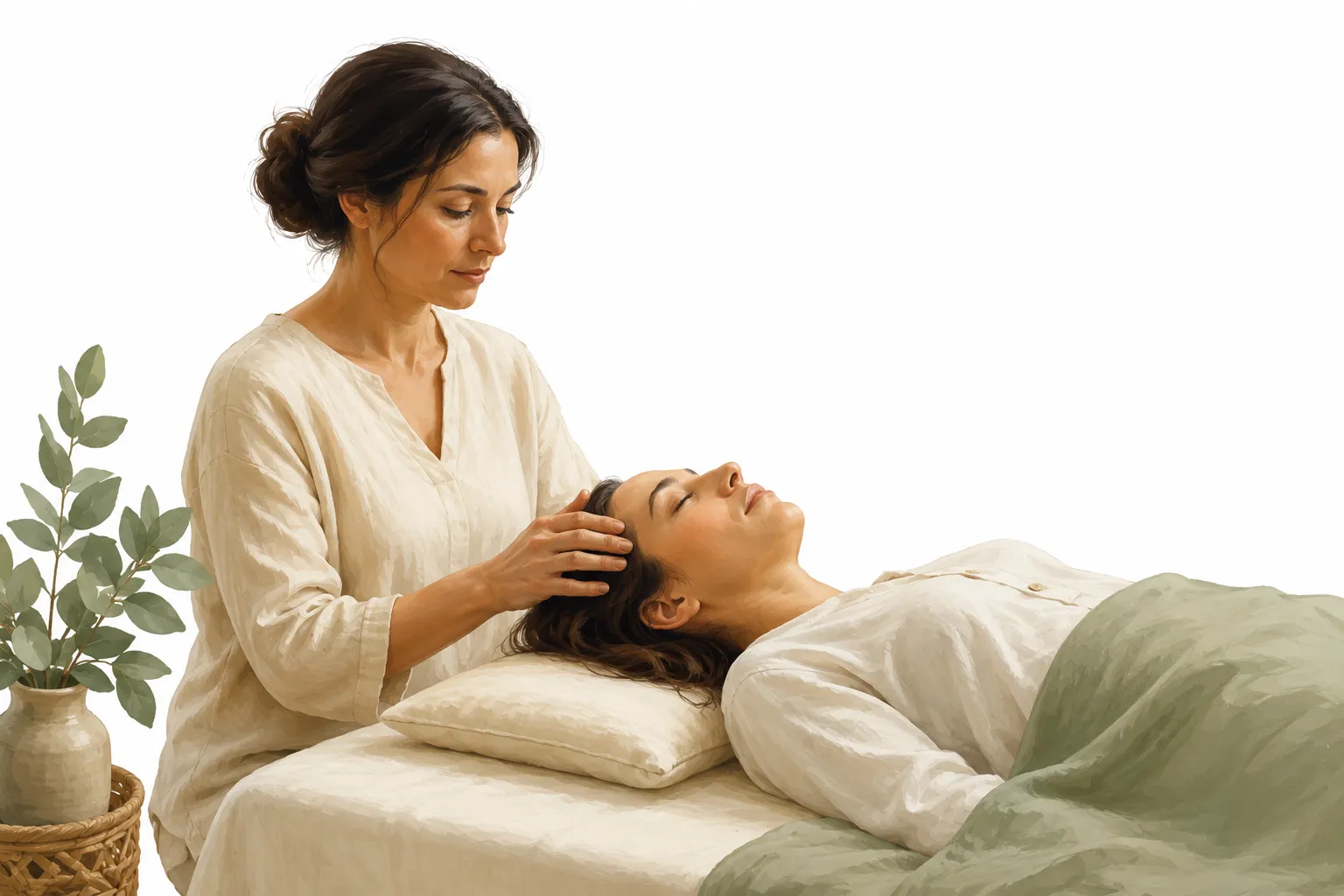
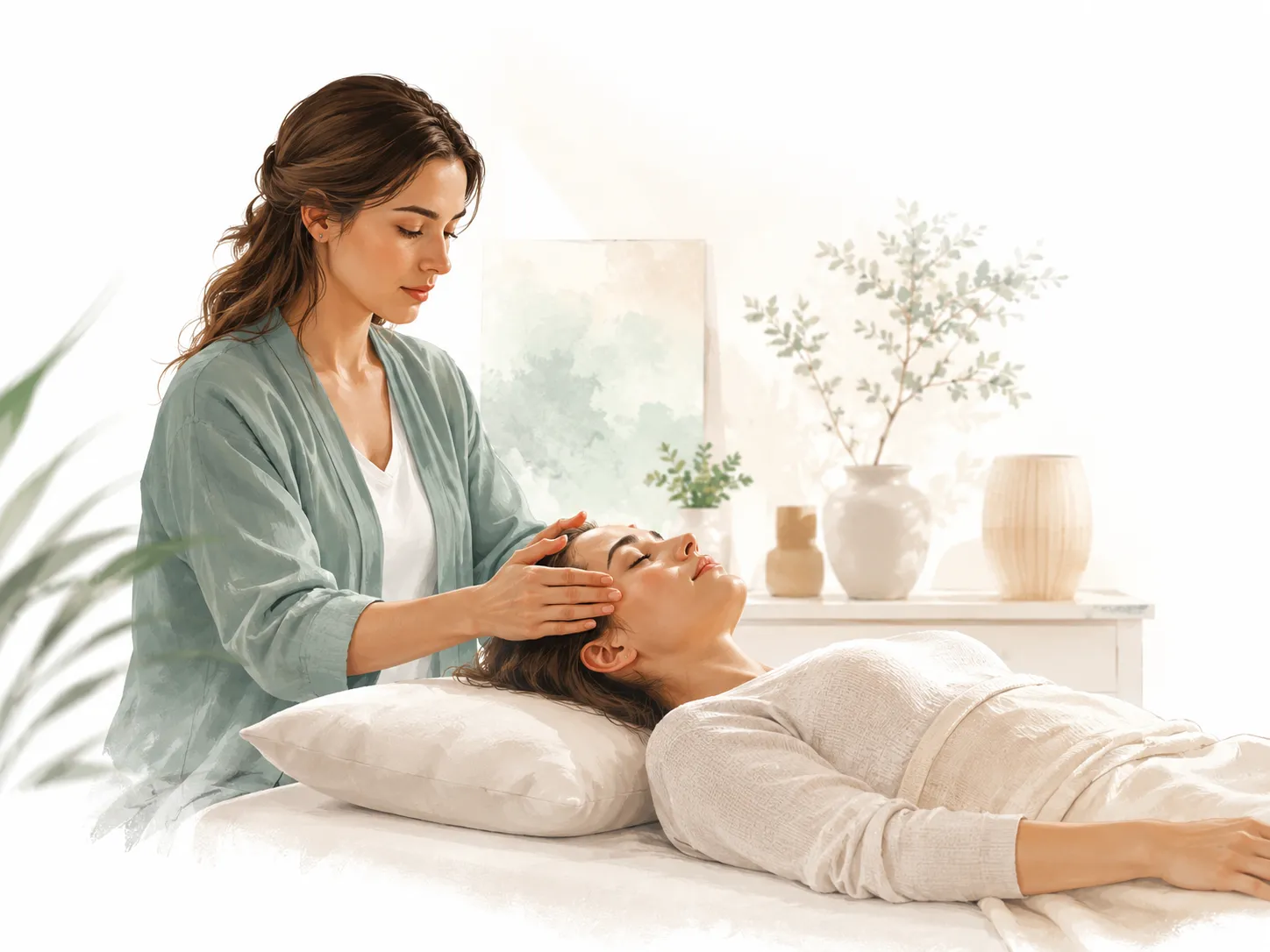
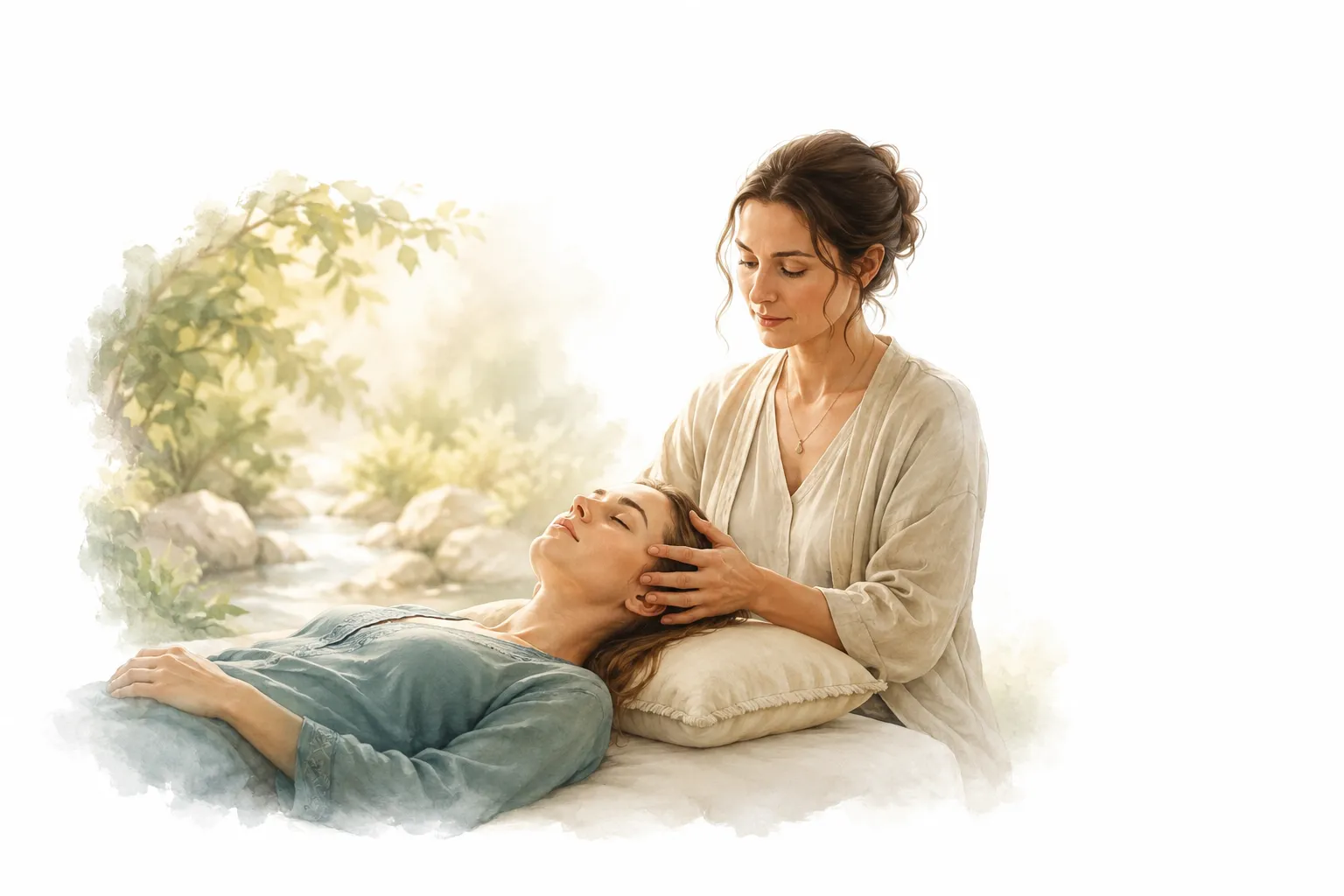
The claimed release of mental, emotional, and energetic charge tied to old thoughts, beliefs, and decisions, achieved by lightly touching 32 points on the head.
It functions as the entry-level, most widely taught process in the wider Access Consciousness system, and is often the first thing new participants try.
Independently, that explanation is a claim about an unverified energetic mechanism. What can be observed and reasonably explained without dispute is that a person is resting, receiving calm attentive touch, and spending an hour away from daily stress — factors already known to influence how someone feels afterward.
Language and marketing
Why "healing" is the word that gets used
Wellness marketing broadly leans on words like healing, transformation, and release because they're emotionally resonant and hard to pin down to a testable claim. "Healing" sounds serious and hopeful at the same time, which makes it effective language for describing a subjective experience that's difficult to put into ordinary words.
For Access Bars specifically, the word also connects the practice to the wider Access Consciousness philosophy, which frames most personal difficulty as the result of stuck points of view. In that framework, "healing" isn't really about the body at all — it's about changing what a person believes is possible for themselves.
That context matters for a reader trying to decide how seriously to take the claim. A practitioner saying a client "healed" their anxiety after a session is describing a subjective, self-reported shift in how someone felt that day — not the outcome of a clinical trial.
Reality check
Common misunderstandings about "Access Bars healing"
- Myth
"Healing" means Access Bars treats or cures a diagnosed illness.
RealityWithin the system, "healing" almost always refers to releasing thoughts and emotional charge, not curing disease.
- Myth
If someone feels calmer afterward, the energetic explanation must be correct.
RealityFeeling calmer is consistent with rest, attention, and expectation — it doesn't confirm any specific mechanism.
- Myth
Because the language is spiritual, the practice is automatically dangerous or fraudulent.
RealityThe physical procedure is generally low-risk; the concern is mainly about overstated claims, not physical harm from the touch itself.
How different people use the word
- Practitioner
Practitioners often use "healing" to describe helping a client feel unstuck, lighter, or more able to make a decision they'd been avoiding.
- Participant
Participants describing their own experience tend to use it more loosely still — some mean "I felt relaxed," others mean "something in my life changed afterward," which is a much bigger claim to attribute to one session.
- Balanced view
Both uses are genuine descriptions of subjective experience. Neither, on its own, establishes that a specific energetic process caused the change.
- Evidence view
No independent, peer-reviewed research currently verifies that Access Bars heals a medical or psychological condition in the clinical sense of the word.
Anyone using "healing" language to suggest a person should stop prescribed treatment or delay a medical evaluation is going well beyond what the practice can responsibly claim.
What to remember
"Healing" in this context usually means releasing thoughts and emotional charge.
It is not the same as curing a diagnosed medical or mental health condition.
The claim comes from Access Consciousness's own philosophy, not clinical research.
Reported calm or relaxation is real to the person experiencing it, but doesn't confirm the proposed mechanism.
The word should never be used to justify skipping professional medical or mental health care.
Bottom line
A word worth reading carefully
"Healing" is doing a lot of work in Access Bars marketing. Reading it as "subjective relief," rather than "clinical cure," keeps expectations realistic.
Quick answers
Frequently asked questions
What does "healing" mean in Access Bars?
It typically means releasing stored thoughts, feelings, and beliefs — not curing a diagnosed illness.
Is the healing claim backed by science?
No independent, high-quality research currently supports the specific energetic mechanism described by practitioners.
Is it safe to try for relaxation?
The light-touch procedure is generally low physical risk, though claims about broader healing should be treated with caution.
Where does the term come from?
It comes from Access Consciousness, the organization founded by Gary Douglas that developed the Access Bars method.
Sources
Access Consciousness. Wikipedia. Accessed 2026-07-17
Independent overview of the organization's founding, claims, and how the method and its healing language are characterized.
Harriet Hall, MD. Access Consciousness: A New Version of Phrenology?. Science-Based Medicine. Accessed 2026-07-17
Skeptical medical-professional evaluation of the claims made around Access Bars and Access Consciousness.
Global Access Bars. garymdouglas.com. Accessed 2026-07-17
Official description of the Bars process and the language used to describe its claimed effects.