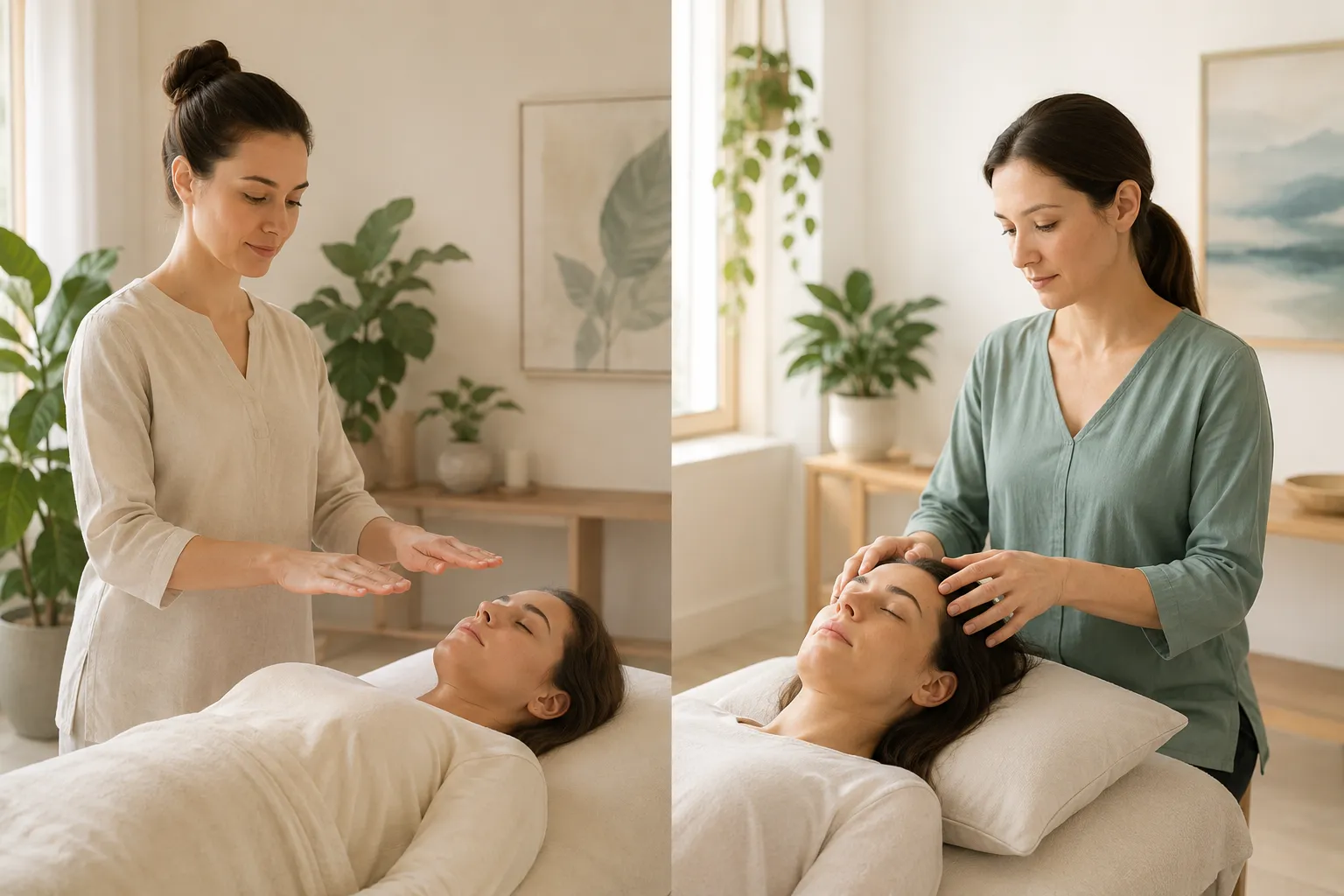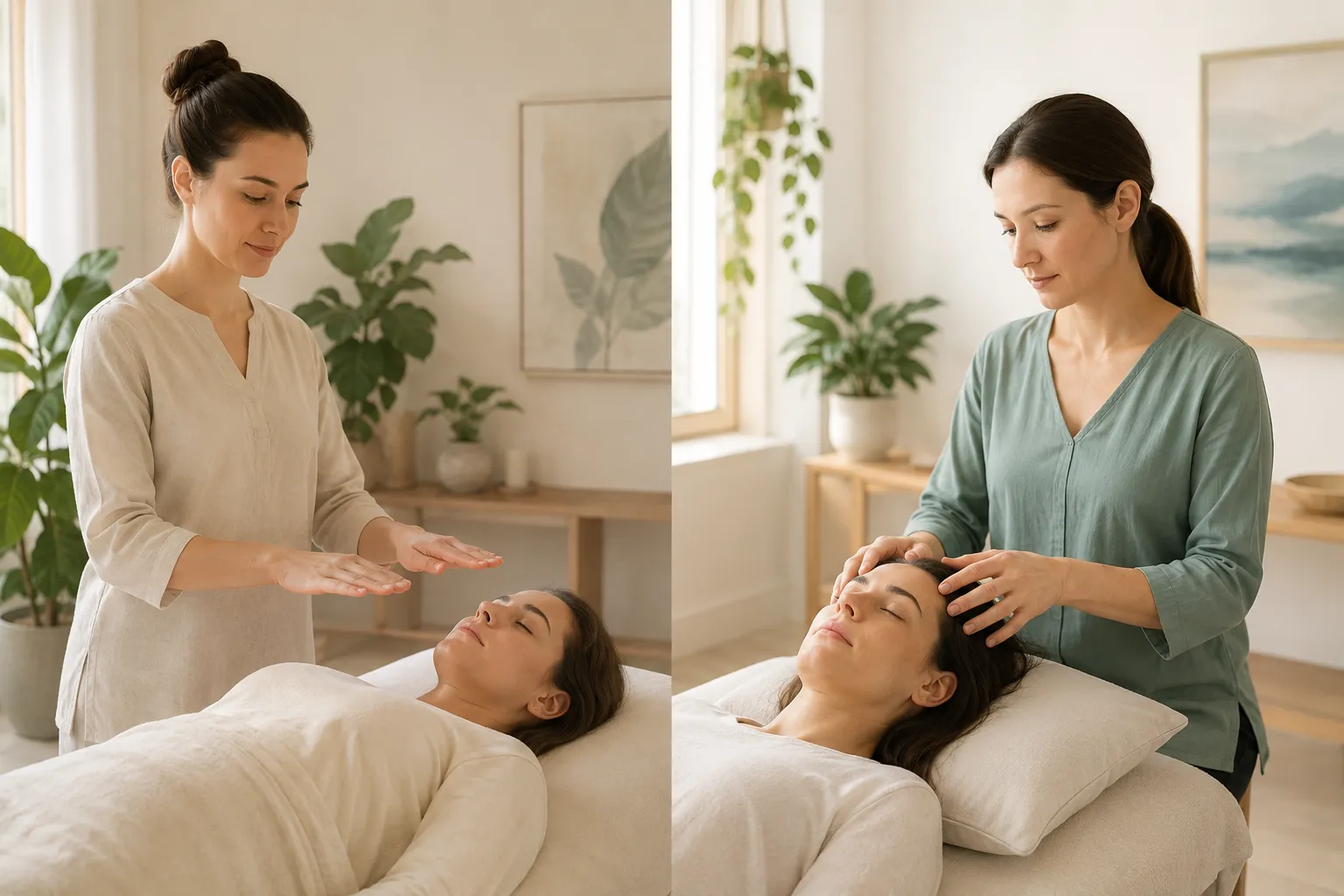
Two approaches to belief change
Access Bars and Theta Healing: different paths, similar goals
Access Bars and Theta Healing share a similar goal: helping people release limiting beliefs and patterns. But the methods could not be more different.
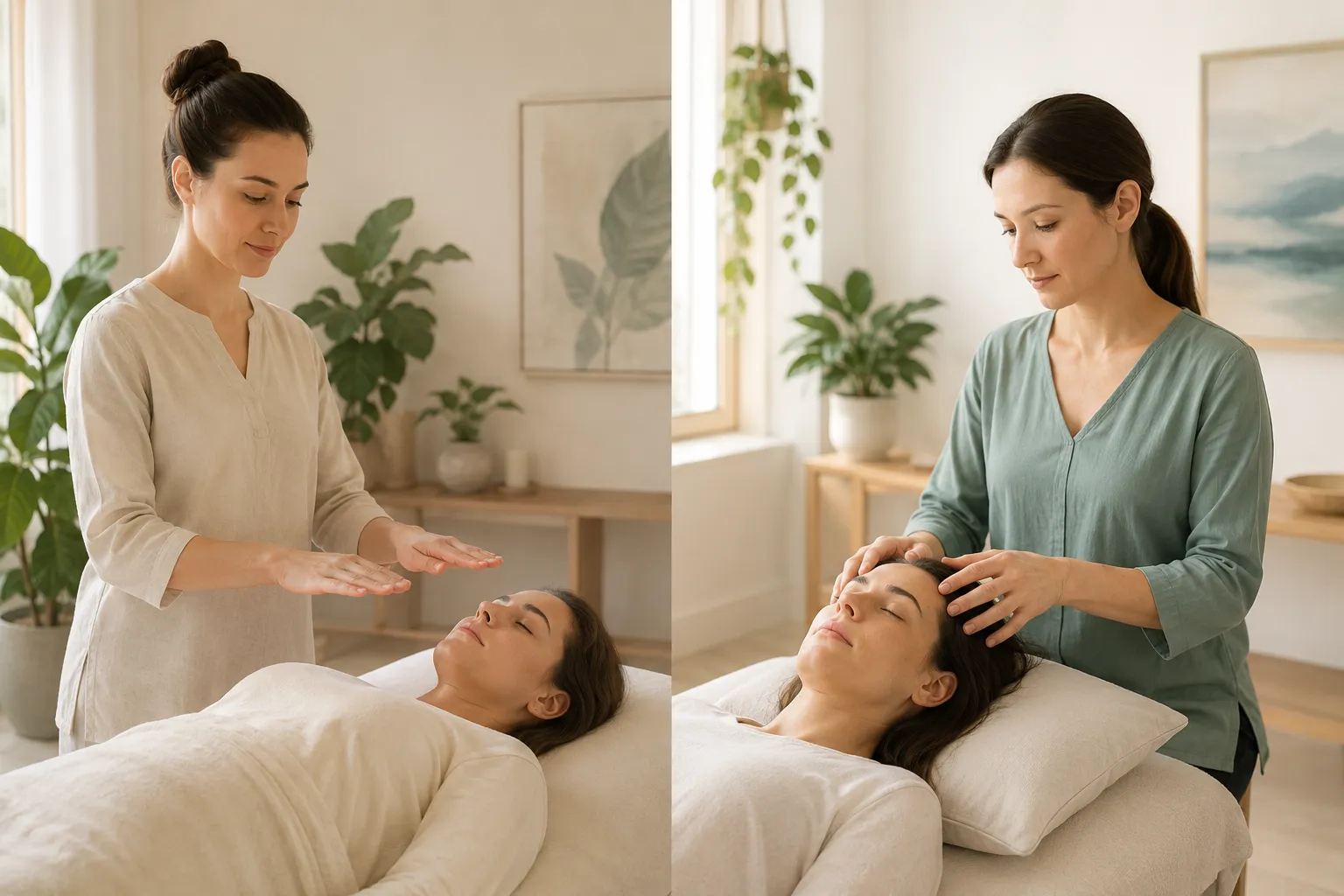
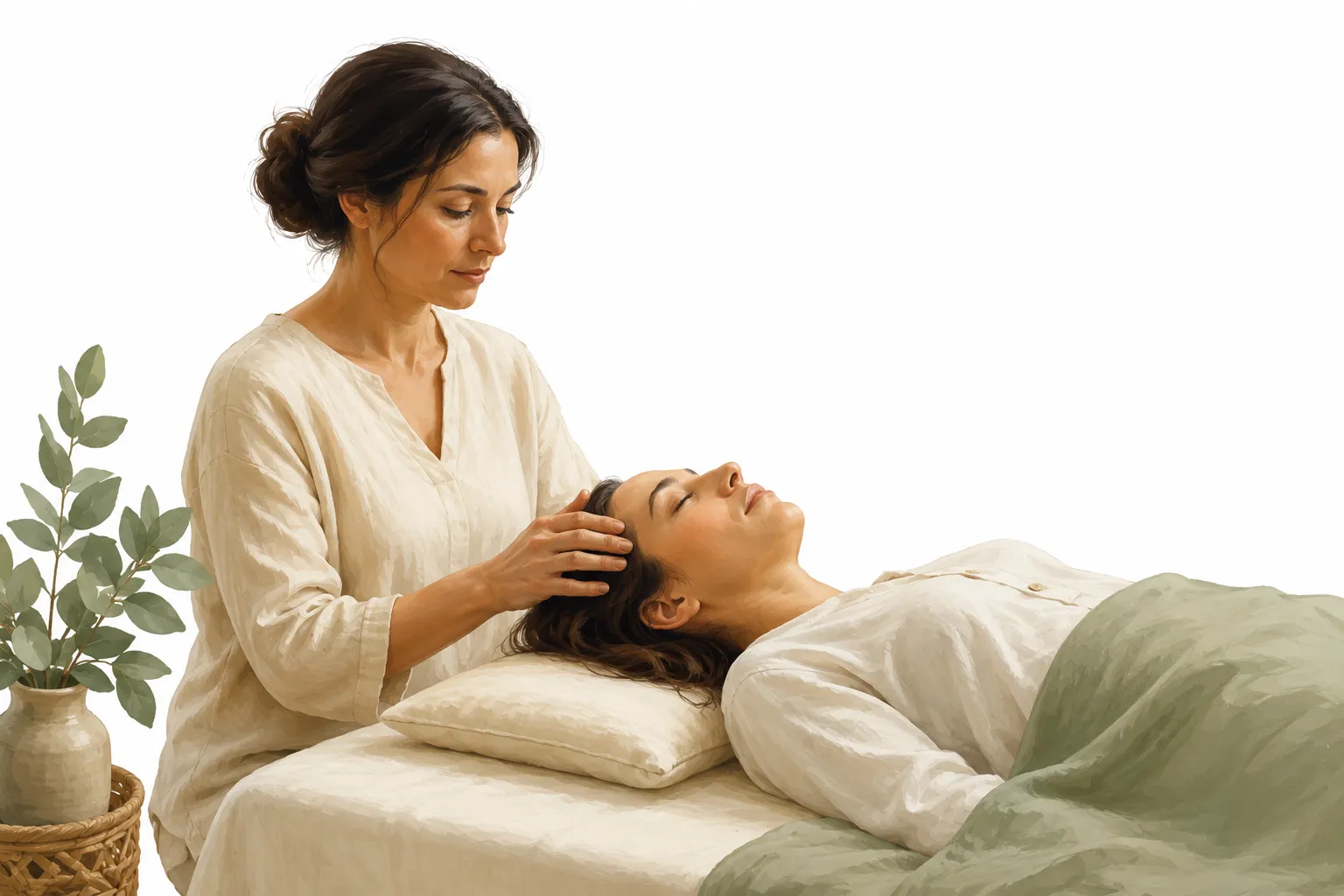
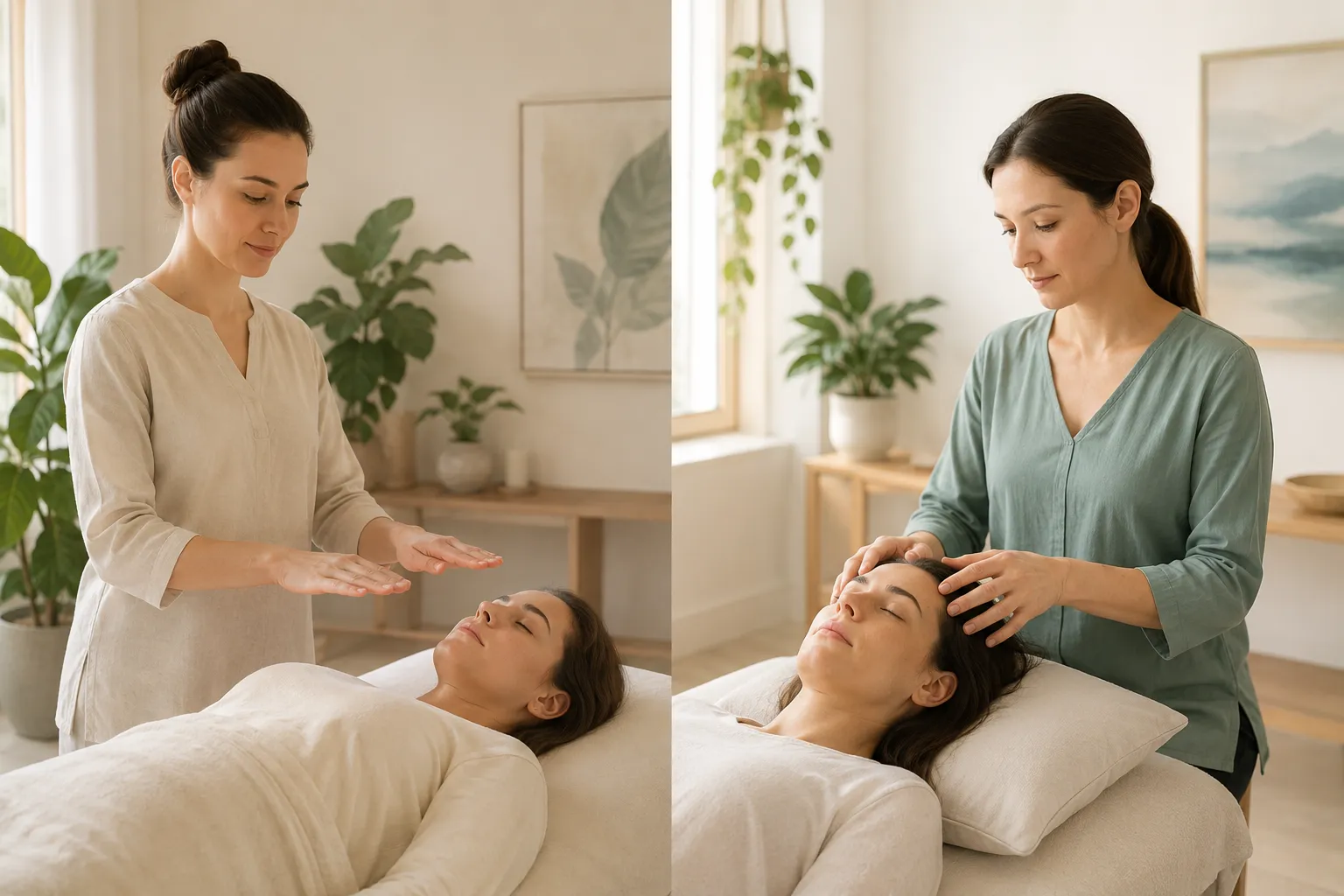
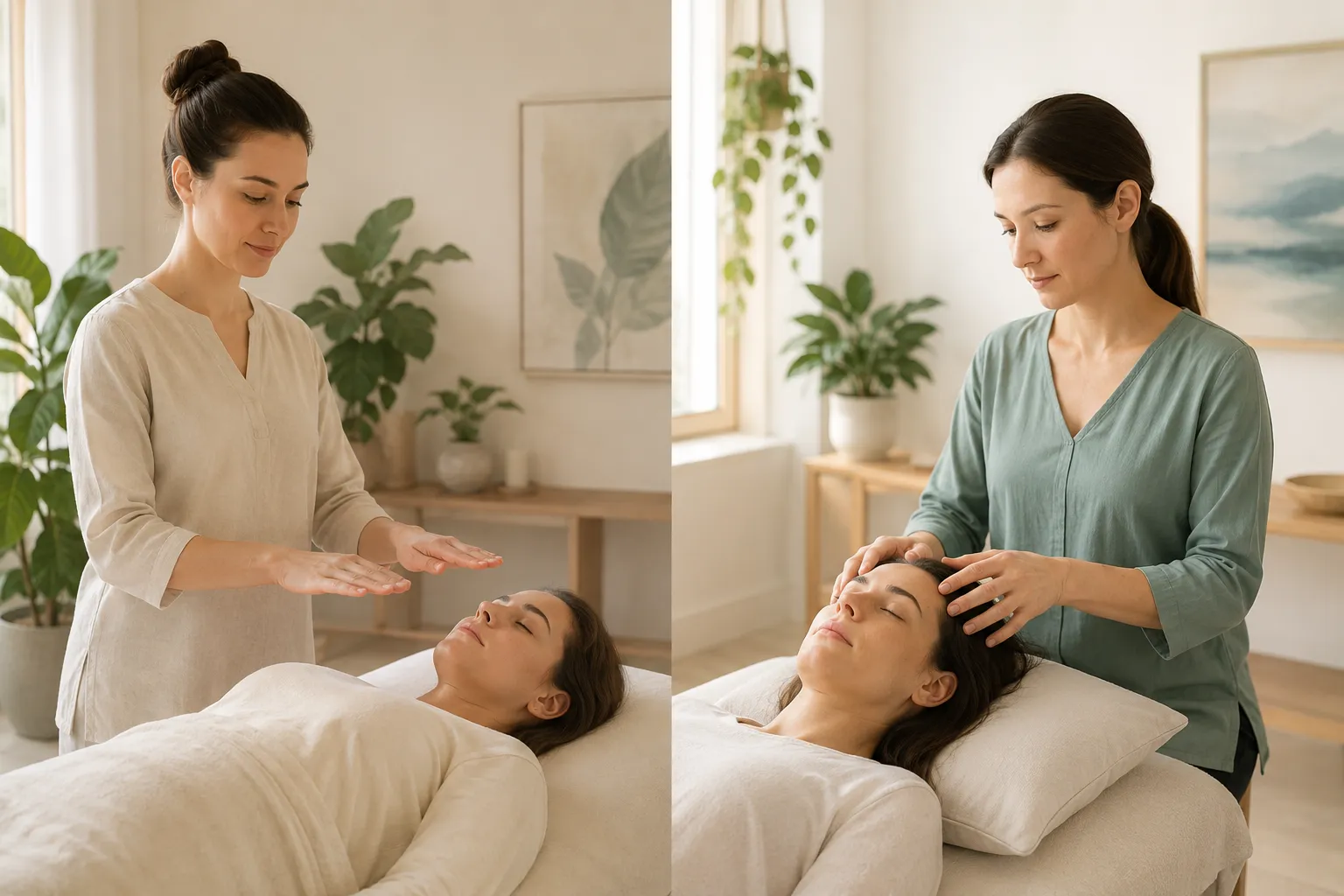
Access Bars is passive. You lie down. A practitioner gently touches 32 points on your head. You do not need to talk, process, or do anything. The touch is said to release the electromagnetic charge of stored thoughts, beliefs, and emotions [citation:1].
Theta Healing is active. You sit with a practitioner, often with your eyes closed. The practitioner guides you into a meditative state, uses muscle testing to identify limiting beliefs, and then uses a process of focused intention to "replace" those beliefs with positive ones. It is described as working at the "theta" brainwave level—hence the name.
Both were developed in the 1990s. Both claim to help with a wide range of issues. Both lack strong independent scientific evidence. Your experience will depend on whether you prefer a passive or active approach.
Skim first
Key takeaways
The shortest useful version of this page.
Access Bars uses passive touch on head points.
Theta Healing uses active meditation and belief work.
Both aim to release limiting beliefs and patterns.
Both were developed in the 1990s.
Both lack strong scientific evidence.
Choose based on your preference for passive vs active experience.
Theta Healing
What is Theta Healing?
Theta Healing is an energy healing modality developed by Vianna Stibal in the 1990s. It is based on the idea that limiting beliefs stored at the subconscious level can be identified and replaced with positive beliefs.
The process typically involves the practitioner guiding the client into a meditative "theta" state—which is the brainwave state associated with deep relaxation and intuition. The practitioner then uses muscle testing to identify beliefs that are causing issues. Once identified, the practitioner uses focused intention to "replace" the limiting belief with a positive one.
Theta Healing practitioners believe that many issues—physical, emotional, and relational—stem from beliefs held at the subconscious level. Changing these beliefs is said to allow healing to occur.
Access Bars
What is Access Bars?
Access Bars uses light touch on 32 specific points on the head. Each point is said to relate to a different life area, such as money, creativity, control, or communication [citation:6].
Practitioners believe that these points store the electromagnetic charge of thoughts, beliefs, emotions, and decisions. Touching them is said to release this stored charge [citation:1].
The practice is passive. The recipient lies down fully clothed and does not need to talk or process anything. Many people report feeling deeply relaxed or falling asleep during the session. It is often compared to clearing files from a computer's hard drive [citation:6].
Access Bars vs Theta Healing: key differences
One is passive, one is active. Both aim to release limiting patterns.
Method
Light touch on 32 head points
Meditation + muscle testing + belief change
Experience
Passive—lie down and receive
Active—participate in guided meditation
Mechanism
Releases electromagnetic charge from stored thoughts
Replaces subconscious limiting beliefs
Origin
1990s, Gary Douglas
1990s, Vianna Stibal
Session length
60–90 minutes
60–90 minutes
Evidence status
Limited, some brainwave studies
Limited, largely anecdotal
What you do
Nothing—receive touch
Engage with belief change process
How practitioners describe the difference
- Practitioner
Some practitioners describe Theta Healing as "working at the level of the subconscious to identify and change core beliefs" while Access Bars is "unlocking the energy you have locked in your body."
- Balanced view
Both approaches have their advocates. Theta Healing appeals to people who want to actively explore their beliefs. Access Bars appeals to people who prefer a more passive, receptive experience.
- Evidence view
Both have limited scientific evidence. Much of the support is anecdotal or from practitioner reports.
Be cautious of practitioners who promise guaranteed results or claim to cure conditions. Neither modality is a substitute for professional medical or mental health care.
Verdict
Our evidence-based comparison
insufficient-evidence
Access Bars and Theta Healing have different methods but similar goals. Access Bars uses passive touch on head points. Theta Healing uses active meditation and belief work. Neither is scientifically proven for medical conditions.
What we know
- Access Bars is passive. You lie down and receive touch.
- Theta Healing is active. You participate in meditation and belief work.
- Both aim to release limiting beliefs and patterns.
- Both were developed in the 1990s.
What we do not know
- Whether either mechanism exists as described.
- Whether either reliably treats specific conditions.
Choose based on preference. If you want a restful, hands-on experience, try Access Bars. If you want to explore beliefs actively, try Theta Healing. Neither should replace medical care.
Bottom line
Passive vs active belief work
Access Bars and Theta Healing offer different paths to similar goals. One is about receiving. The other is about engaging. Both can be valuable for personal exploration.
Quick answers
Frequently asked questions
What is the difference between Access Bars and Theta Healing?
Access Bars is passive head-touch. Theta Healing is active meditation and belief work.
Which is more effective?
Effectiveness depends on the individual. Neither is scientifically proven for medical conditions.
Can I do both?
Yes. Many people find value in both.
Do both have certification?
Yes. Both have training and certification processes.
Sources
Access Consciousness Bars | Beaverton Neurofeedback. Beaverton Neurofeedback. Accessed 2026-07-17
Provides a practitioner's comparison of Access Bars and Reiki.
Access Bars – SoulAdvisor. SoulAdvisor. Accessed 2026-07-17
Describes Access Bars and ThetaHealing as separate therapies.
Therapies and Massages with Therapist Aline Paula. Templo Do Ser. Accessed 2026-07-17
Lists Reiki, Thetahealing, and Access Bars as separate therapies.
Access Bars for Children and Adults in Footscray. Rain & Me. Children's Therapy. Accessed 2026-07-17
Provides a clear description of Access Bars and what to expect.