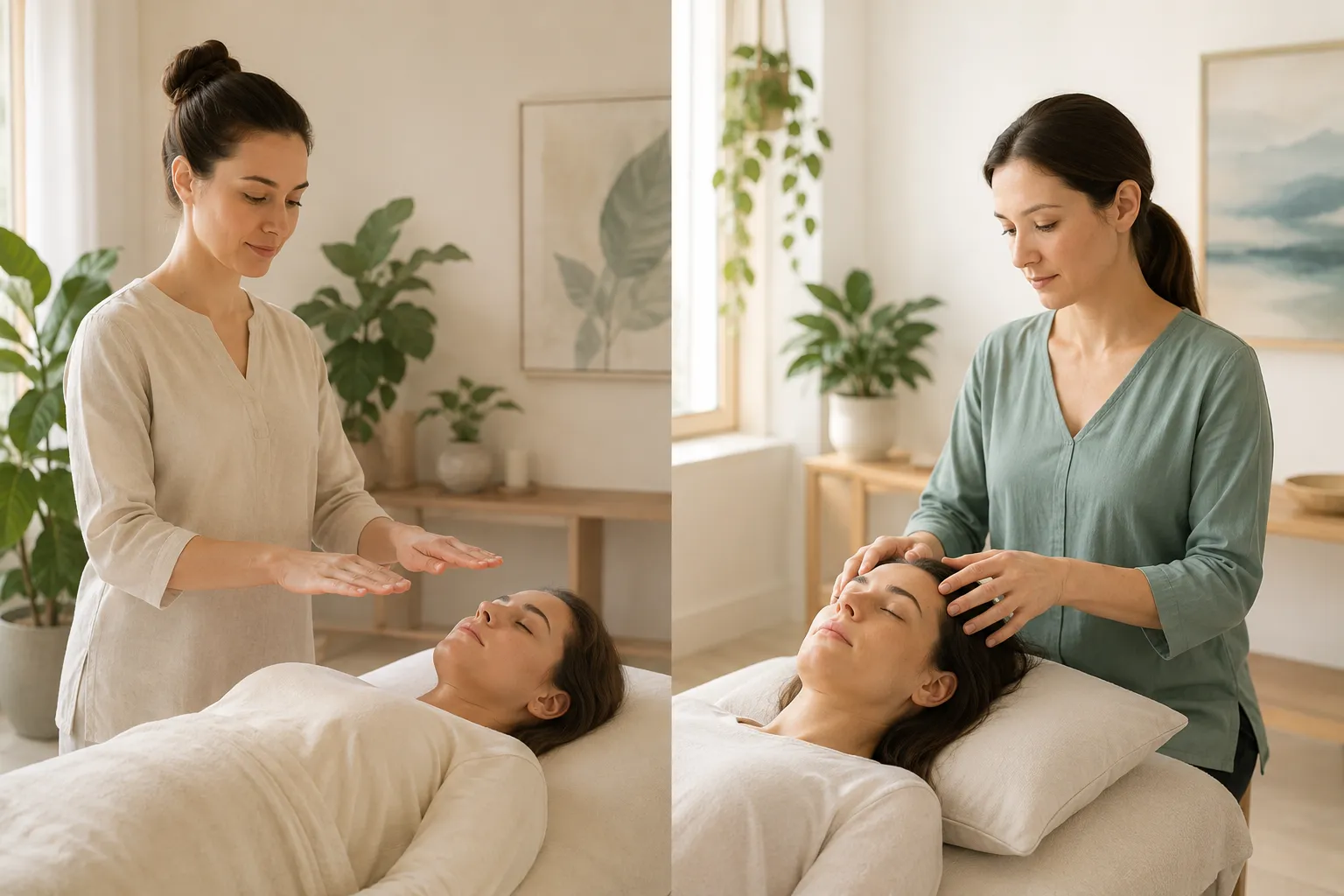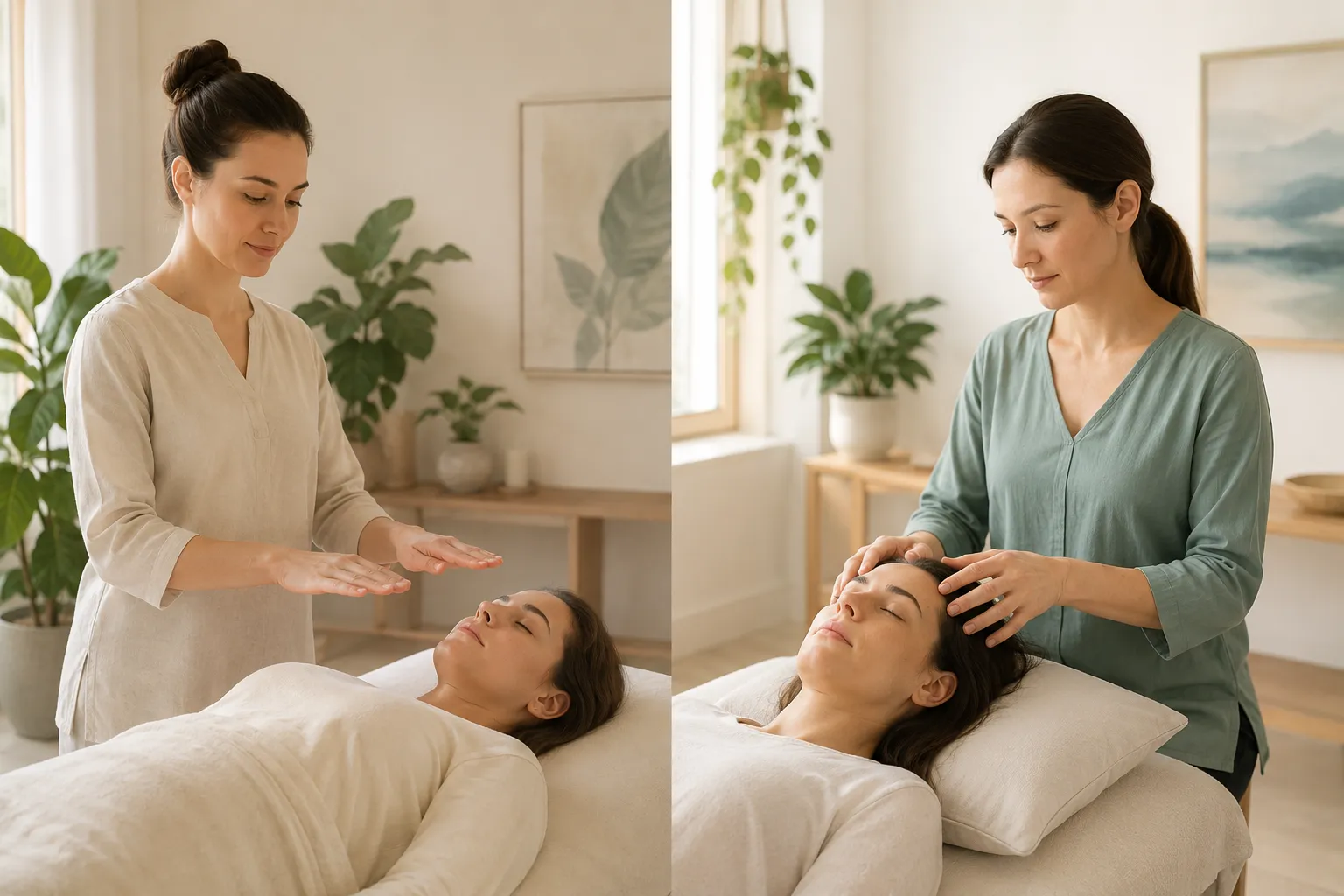
Two approaches to passive wellness
Access Bars and Sound Healing: different methods, similar experiences
Access Bars and Sound Healing are both passive wellness practices. In both, you lie down and let someone else do the work. But the work is very different.
Sound Healing uses instruments—often singing bowls, gongs, tuning forks, or chimes—to create vibrations and frequencies. The idea is that these vibrations can promote relaxation, reduce stress, and create a sense of well-being. Some practitioners also believe sound can help align the body's energy .
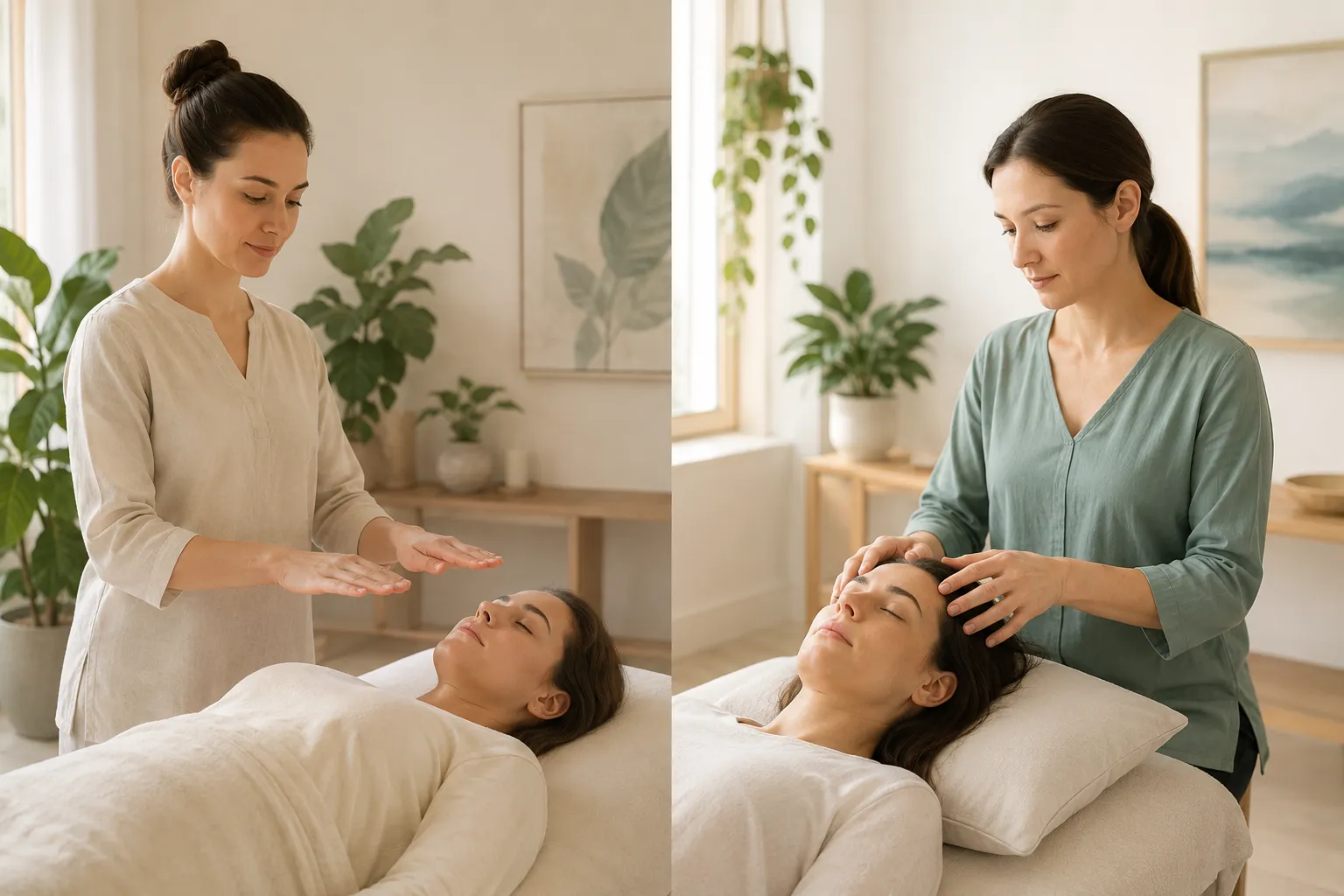
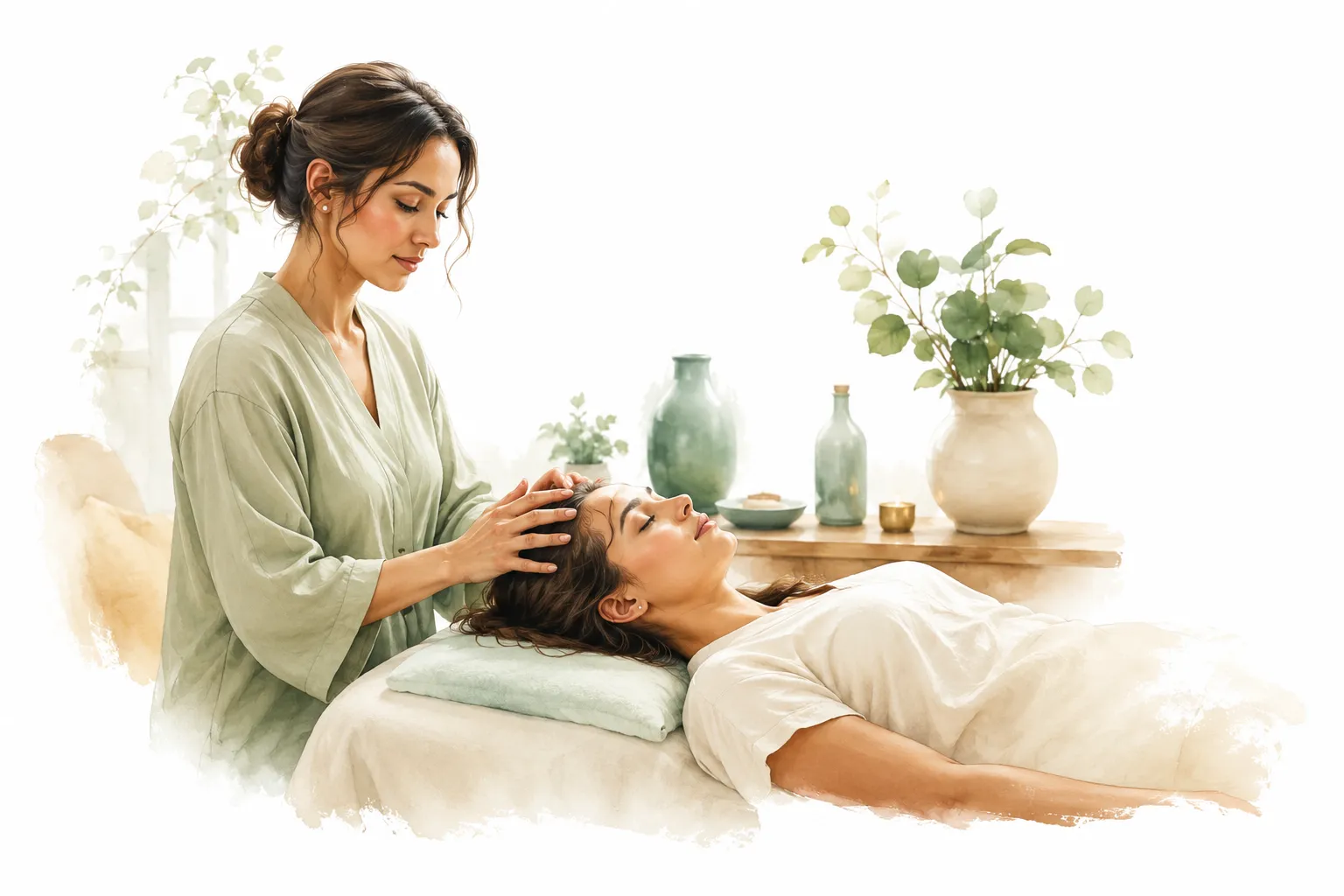
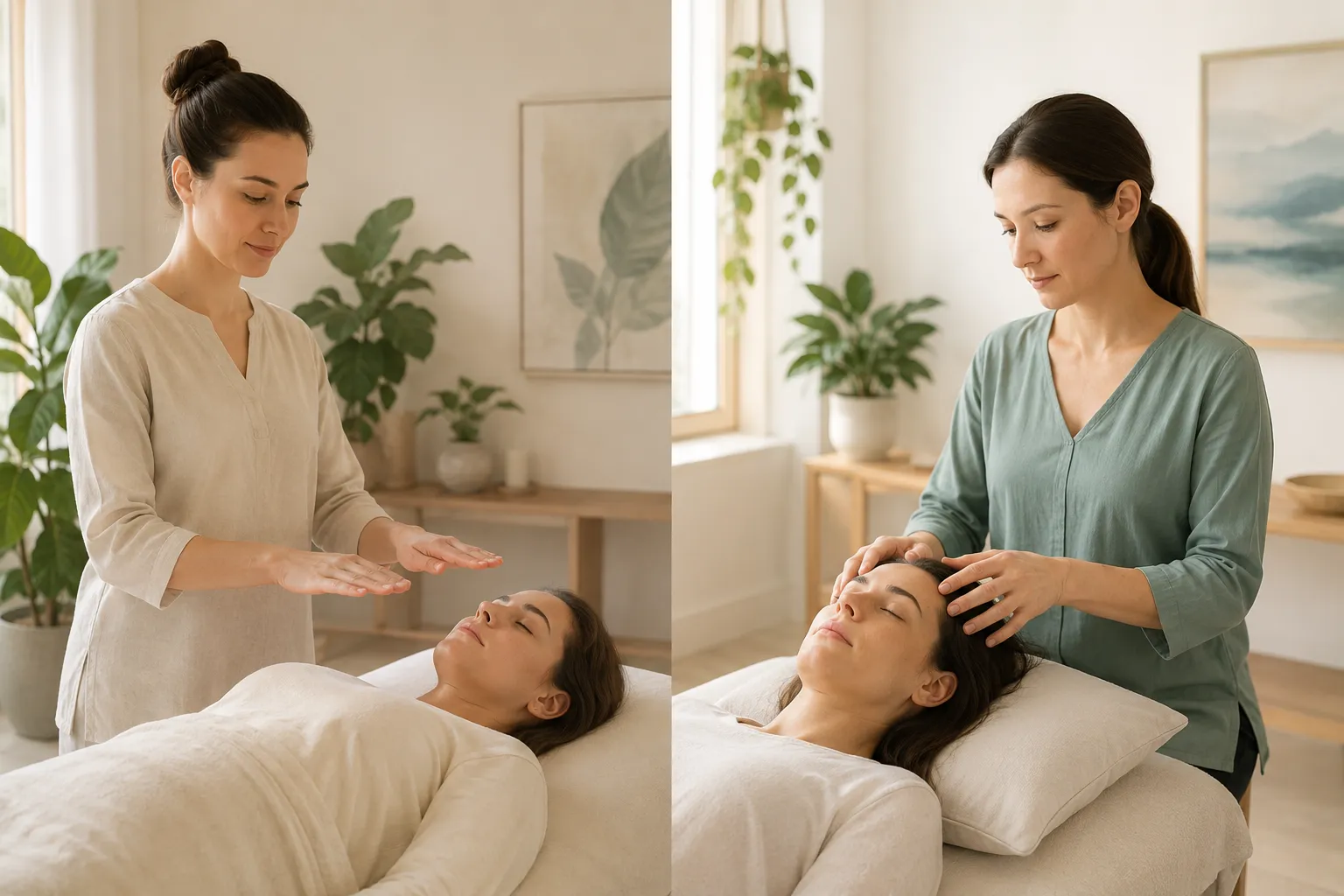
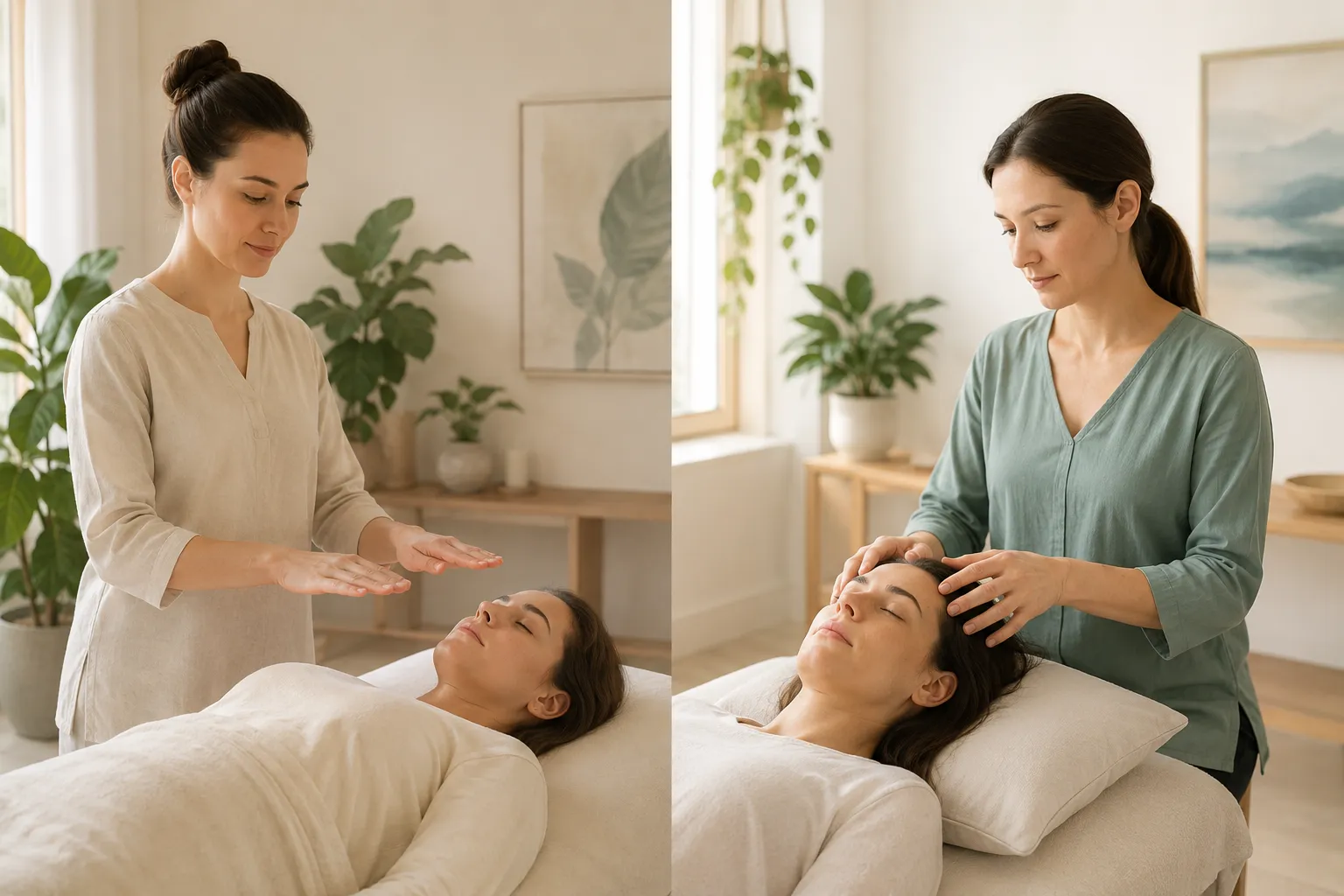
Access Bars uses light touch on 32 specific points on the head. The points are said to correspond to different life areas. The touch is said to release stored thoughts, beliefs, and emotions .
Both are passive experiences. Both are considered complementary wellness practices. Both have limited evidence. The choice is largely about whether you prefer touch or sound.
Skim first
Key takeaways
The shortest useful version of this page.
Sound Healing uses sound and vibration.
Access Bars uses light touch on head points.
Both are passive wellness experiences.
Both have limited evidence.
Sound Healing is often done in groups.
Access Bars is always one-on-one.
Neither is a medical treatment.
Sound Healing
What is Sound Healing?
Sound Healing is a broad term for practices that use sound, vibration, and frequency to promote relaxation and well-being. It is an ancient practice, with roots in many cultures, but has seen a resurgence in wellness communities in recent years.
Sound healing sessions often involve singing bowls, gongs, tuning forks, chimes, or other instruments. The practitioner plays these instruments near or around the recipient, creating vibrations that are said to affect the body and nervous system .
The experience is often deeply relaxing. Many people report feeling calm, grounded, or having a sense of emotional release. Some describe it as similar to a meditation state.
The evidence for sound healing is limited. Some studies show reduced stress and anxiety, but the evidence base is small .
Access Bars
What is Access Bars?
Access Bars is a complementary wellness practice introduced in the 1990s by Gary Douglas. It involves light touch on 32 specific points on the head, each associated with a different life area .
Practitioners believe that these points store the electromagnetic charge of thoughts, beliefs, and emotions. Light touch on these points is said to release this stored charge .
The experience is passive. You lie down fully clothed while the practitioner works through the points. Many people report feeling relaxed, sleepy, or experiencing mental clarity.
Access Bars has very limited research support.
Access Bars vs Sound Healing: key differences
Both are passive wellness experiences but use different methods.
Method
Light touch on 32 head points
Sound vibrations through instruments
Experience
Passive—lie down and receive touch
Passive—lie down and listen
Senses involved
Touch
Hearing and sensation
Setting
Always one-on-one
Often group, can be one-on-one
Mechanism
Releases stored beliefs/thoughts
Promotes relaxation through vibration
Evidence status
Very limited
Limited but some studies on relaxation
Equipment
No equipment
Singing bowls, gongs, tuning forks
Cost
$60–$150 per session
Often less for groups, similar for private
How practitioners describe the difference
- Practitioner
Sound Healing practitioners describe their work as using vibration to promote relaxation. Access Bars practitioners describe their work as releasing stored thoughts and beliefs.
- Balanced view
Both are passive wellness experiences. The choice is largely based on whether you prefer touch or sound. Both have limited evidence.
- Evidence view
Sound Healing has slightly more research in the area of relaxation and stress reduction. Access Bars has very little research. Both need more study.
Both are complementary wellness experiences. Neither is a substitute for professional medical or mental health care.
Reality check
Common misunderstandings
- Myth
Sound Healing can cure medical conditions.
RealitySound Healing is a wellness practice, not a medical treatment. It should not replace professional care.
- Myth
Access Bars is a form of sound healing.
RealityNo. Access Bars uses touch, not sound.
- Myth
Both are scientifically proven.
RealityBoth have limited evidence. Sound Healing has slightly more research, but both need more study.
- Myth
You have to believe in them for them to work.
RealityBoth can be relaxing regardless of belief, though expectation can influence experience.
Verdict
Our evidence-based comparison
insufficient-evidence
Access Bars and Sound Healing are both passive wellness experiences with limited evidence. Sound Healing uses vibration and has slightly more research. Access Bars uses touch and has very limited research. Choose based on your preference for touch or sound.
What we know
- Sound Healing uses sound and vibration to promote relaxation.
- Access Bars uses light touch on head points.
- Both are passive wellness experiences.
- Both have limited evidence.
What we do not know
- Whether either offers lasting benefits beyond the session.
- Whether the mechanisms described by either exist.
If you are curious about both, try them. Sound Healing is often available in groups at lower cost. Access Bars requires a private practitioner. Both can be relaxing. Neither should replace professional healthcare.
Bottom line
Touch vs vibration
Access Bars and Sound Healing offer different paths to relaxation. One uses touch. The other uses sound. Both are passive, relaxing, and unproven for medical conditions.
Quick answers
Frequently asked questions
What is the difference between Access Bars and sound healing?
Access Bars uses touch on head points. Sound healing uses sound and vibration.
Which is more relaxing?
Both can be deeply relaxing. Personal preference matters.
Can I do both?
Yes. Many people enjoy both.
Is sound healing more scientifically proven?
Sound Healing has slightly more research, but both have limited evidence.
Which is cheaper?
Group sound healing sessions are often cheaper. Private sessions for both are similar in cost.
Sources
Access Consciousness Bars | Beaverton Neurofeedback. Beaverton Neurofeedback. Accessed 2026-07-17
Provides a practitioner's description of Access Bars.
Access Bars for Children and Adults in Footscray. Rain & Me. Children's Therapy. Accessed 2026-07-17
Provides a clear description of Access Bars and what to expect.
Sound Healing - Up to You. Up to You. Accessed 2026-07-17
Describes sound healing sessions and their benefits.
Sound Healing - Sound Energy Healing. Sound Energy Healing. Accessed 2026-07-17
Provides information on sound healing and its uses.