Two approaches to mental clarity
Access Bars and Meditation: different paths to calm
Meditation has been practiced for thousands of years across many cultures. It is a self-directed practice that cultivates attention, awareness, and emotional regulation. Access Bars is a newer practice, developed in the 1990s, that involves a practitioner using gentle touch on the head.
Meditation requires active effort on your part. You sit or lie down, focus your attention (often on your breath or a sensation), and gently bring your mind back when it wanders. Over time, this practice builds mental resilience, reduces stress, and improves emotional regulation. The evidence for meditation's benefits is strong, including reductions in anxiety, depression, and stress .
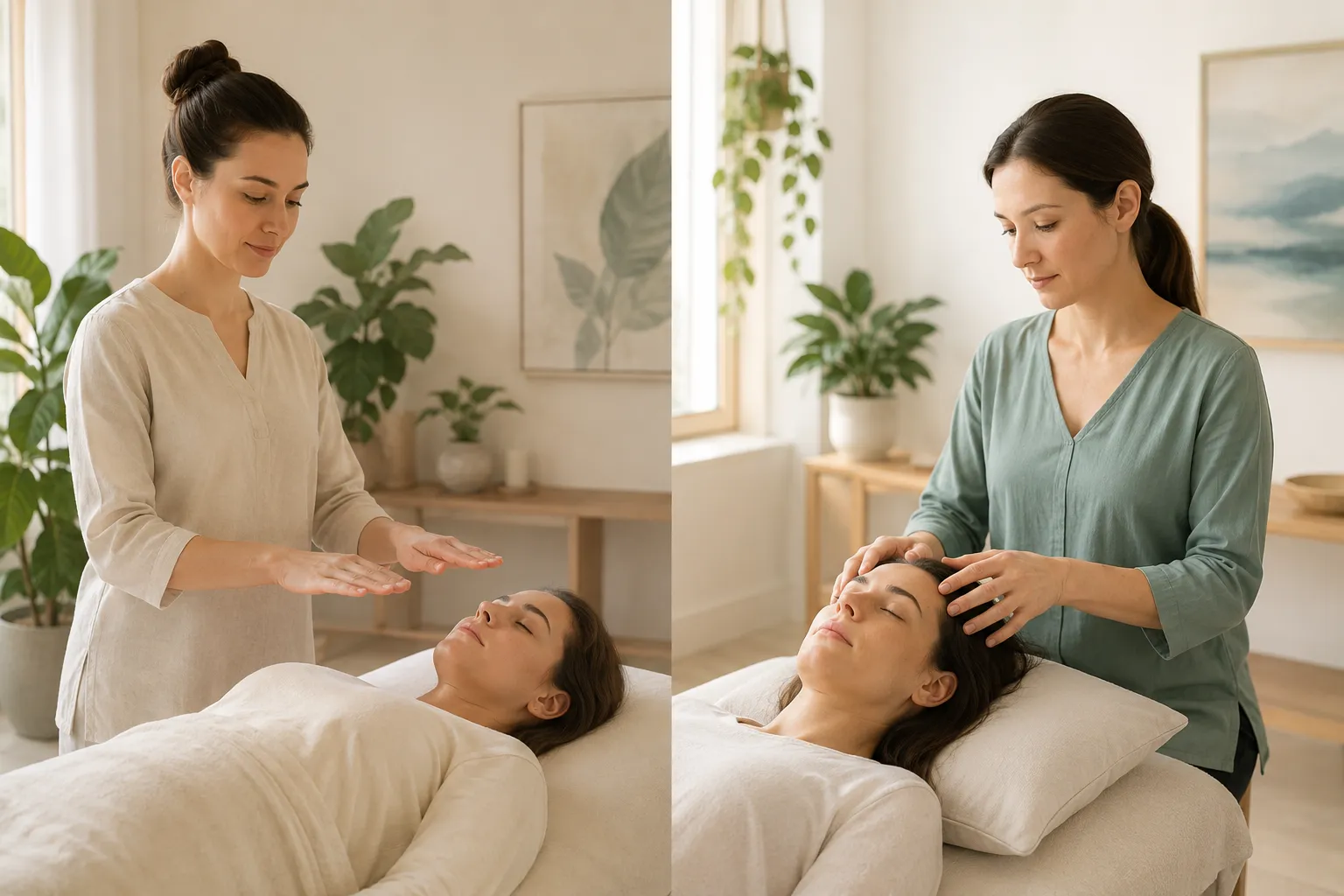
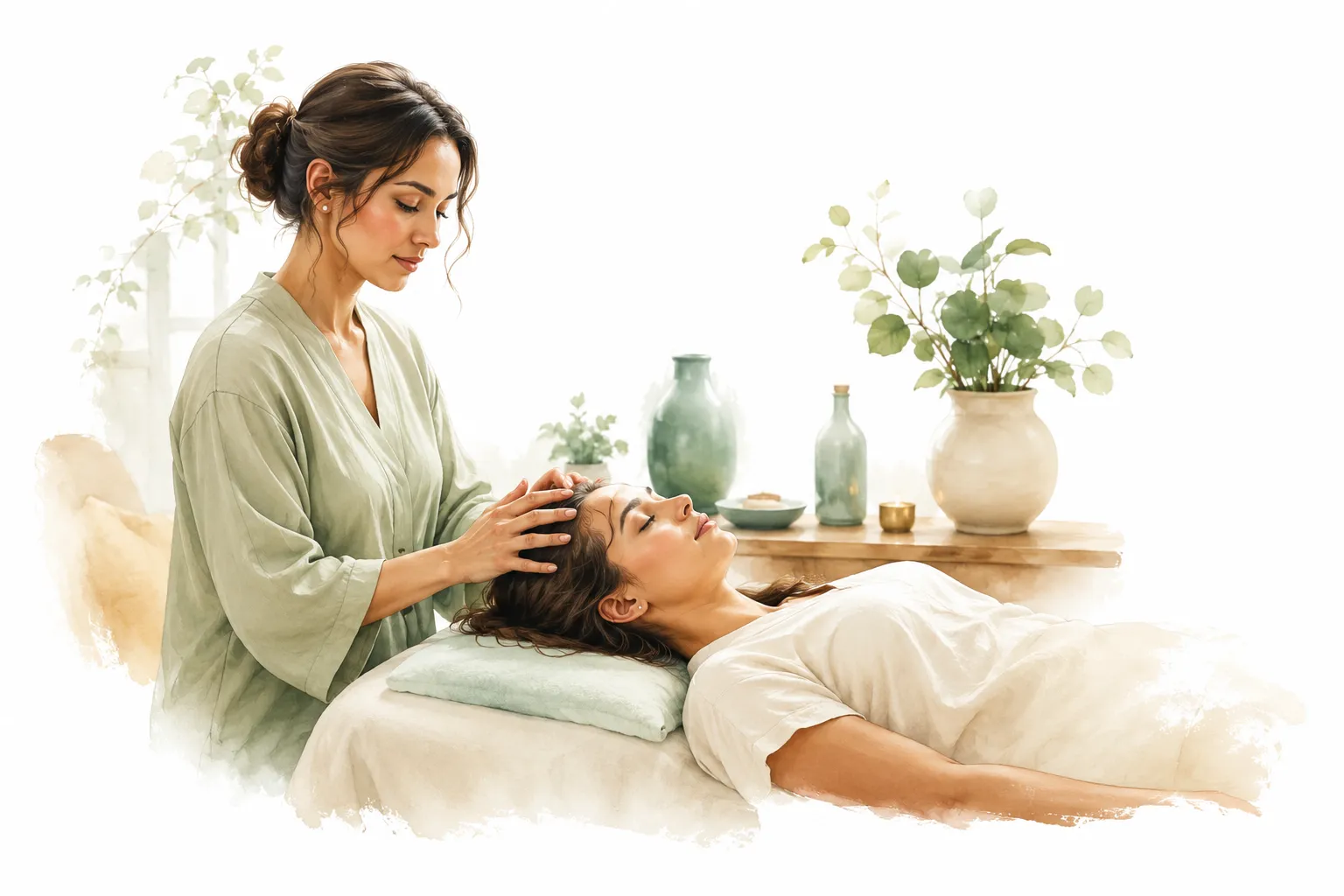
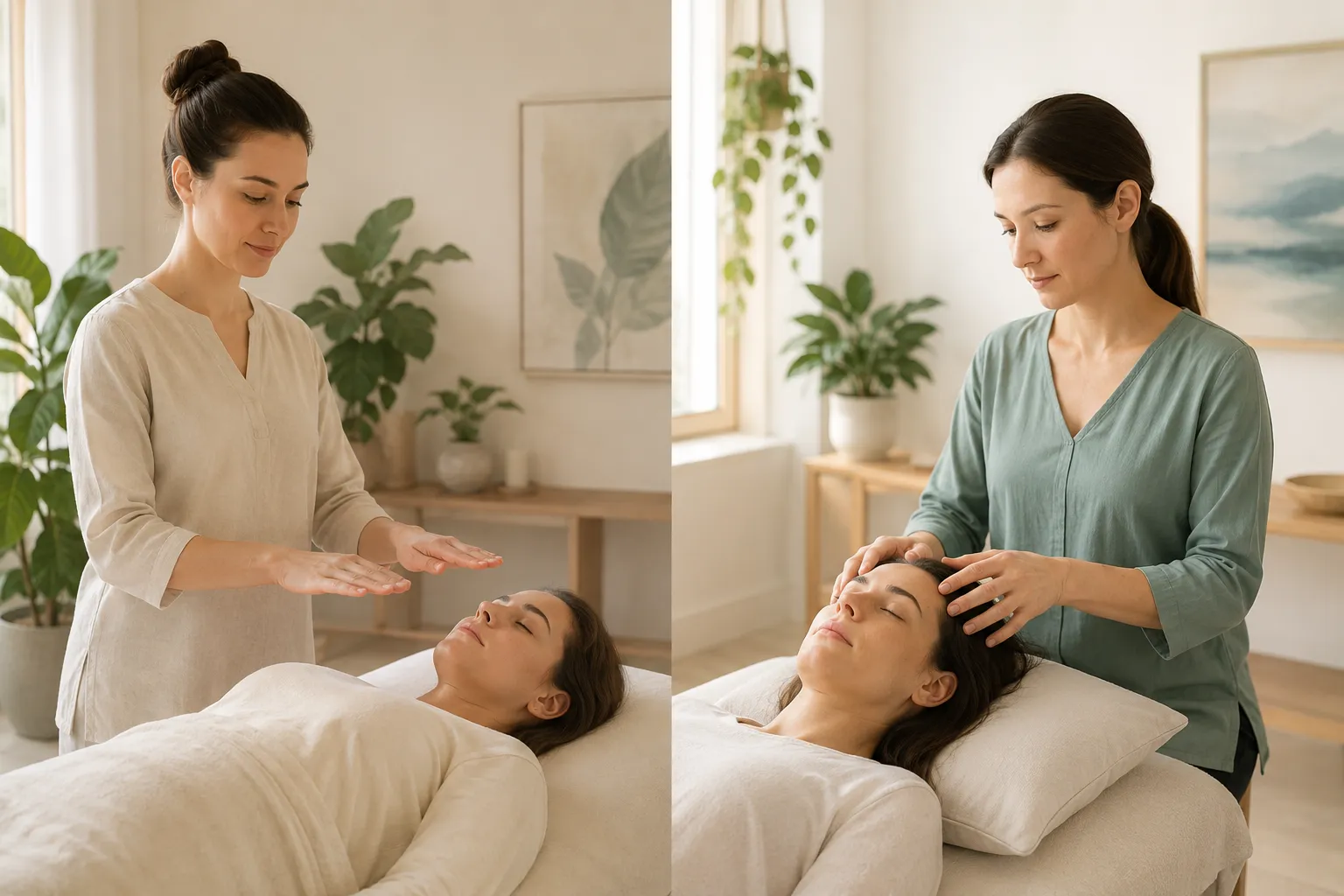
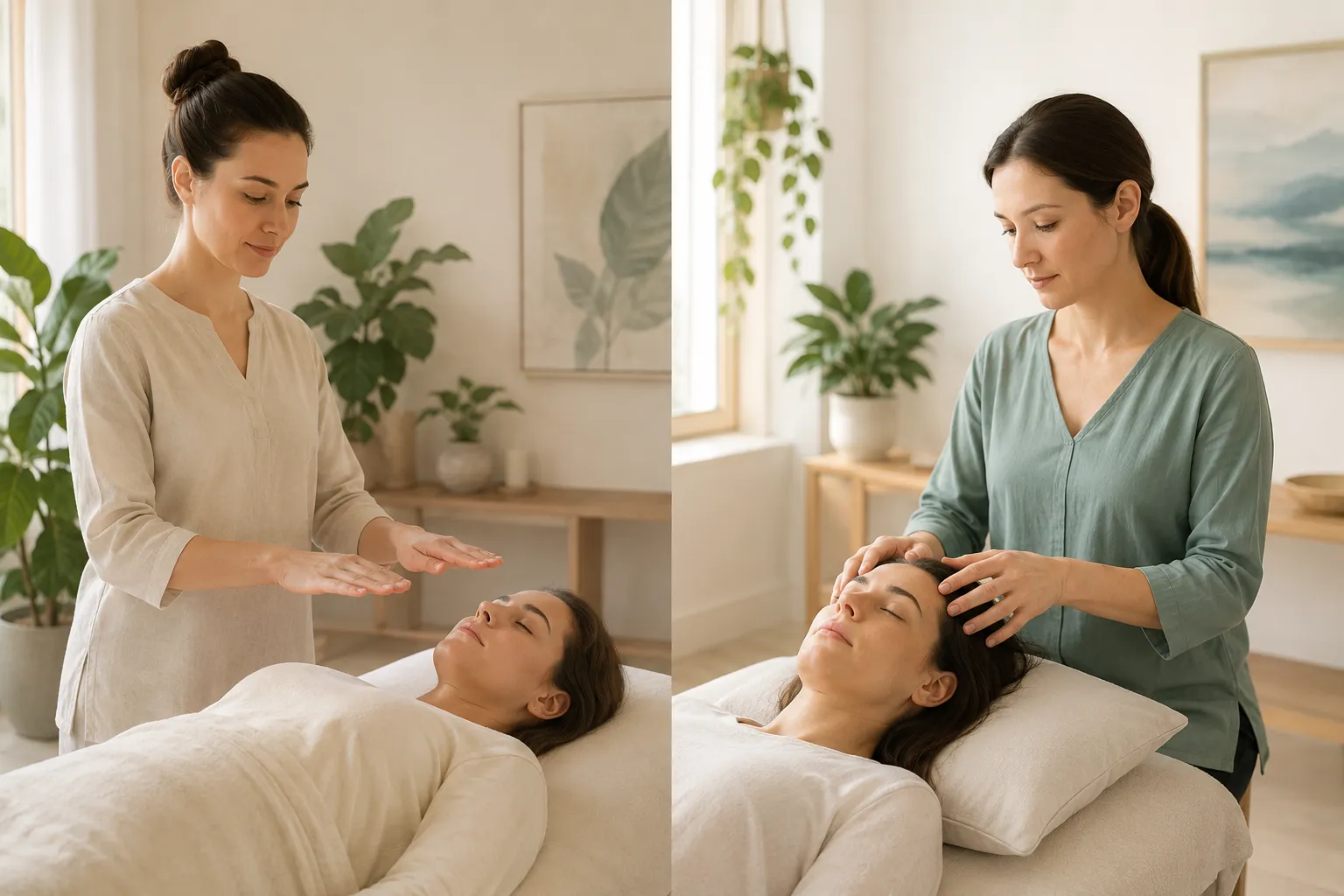
Access Bars is passive. You lie down while a practitioner lightly touches 32 points on your head. The touch is said to release the electromagnetic charge of stored thoughts, beliefs, and emotions . You do not need to do anything. Many people report feeling relaxed or sleepy during sessions.
The key difference is effort. Meditation requires practice and discipline. Access Bars requires no effort from the recipient. Meditation can be done anywhere, anytime, for free. Access Bars requires a trained practitioner and usually costs money.
Skim first
Key takeaways
The shortest useful version of this page.
Meditation is self-directed practice with strong evidence.
Access Bars is practitioner-led touch with limited evidence.
Meditation is free and can be done anywhere.
Access Bars costs $60–$150 per session.
Meditation requires effort and discipline.
Access Bars requires no effort from the recipient.
Both can promote relaxation and mental clarity.
Meditation is recommended for daily practice; Access Bars is occasional.
Meditation
What is Meditation?
Meditation is a broad term for a range of practices that train attention and awareness. It has been practiced for thousands of years in various spiritual and religious traditions, and more recently has been adopted as a secular wellness practice.
There are many types of meditation. Mindfulness meditation involves paying attention to the present moment without judgment. Focused attention meditation involves concentrating on a single object, such as the breath. Loving-kindness meditation involves cultivating feelings of compassion and goodwill.
The benefits of meditation are well-researched. Studies show it can reduce stress, anxiety, and depression; improve attention and focus; and even affect brain structure and function . It requires regular practice to develop, but the skills are accessible to anyone.
Meditation can be done anywhere, anytime, and costs nothing. There are countless free apps, guided meditations, and resources to help beginners get started.
Access Bars
What is Access Bars?
Access Bars is a much newer practice. It was introduced in the 1990s by Gary Douglas as part of the Access Consciousness system. The practice involves light touch on 32 specific points on the head, each associated with a different life area .
Practitioners believe that these points store the electromagnetic charge of thoughts, beliefs, emotions, and decisions. Lightly touching them is said to release this stored charge . The recipient lies down fully clothed and does not need to do anything.
Many people report feeling deeply relaxed, experiencing mental clarity, or falling asleep during sessions. The practice is said to be like clearing old files from a computer.
Access Bars vs Meditation: key differences
One is self-directed practice. The other is practitioner-led touch.
Method
Light touch on 32 head points
Self-directed mental practice
Experience
Passive—receive touch
Active—practice yourself
Effort required
No effort required
Requires practice and discipline
Can you do it yourself?
No—requires practitioner
Yes—self-practice
Cost
Usually costs $60–$150 per session
Free
Evidence status
Limited
Strong evidence for many benefits
Flexibility
Limited—needs practitioner
Can be done anywhere, anytime
Longevity
Session-based
Can be a lifelong practice
How practitioners and experts describe the difference
- Practitioner
Access Bars practitioners describe their work as releasing stored beliefs. Meditation teachers describe their work as cultivating awareness and presence.
- Balanced view
Both can promote relaxation and mental clarity. The difference is in the mechanism and the effort required.
- Evidence view
Meditation has a vast evidence base and is recommended by many healthcare professionals. Access Bars has very limited research.
Meditation is generally safe for most people. Access Bars is also considered low risk. Neither should replace professional mental health care.
Reality check
Common misunderstandings
- Myth
Access Bars is a form of meditation.
RealityNo. Meditation is a self-directed mental practice. Access Bars is a practitioner-led touch practice.
- Myth
Meditation requires you to clear your mind.
RealityMeditation is about noticing when the mind wanders and gently returning your focus. It is not about having no thoughts.
- Myth
Both have the same evidence.
RealityMeditation has a much larger and stronger evidence base. Access Bars has very limited research.
- Myth
Access Bars is just passive meditation.
RealityNo. Access Bars involves a practitioner touching specific points on the head. It is not a form of meditation.
Verdict
Our evidence-based comparison
mixed
Meditation has strong scientific support, is free, and can be done anywhere. Access Bars has limited evidence, requires a practitioner, and costs money. Both can promote relaxation, but meditation offers more proven benefits with fewer barriers.
What we know
- Meditation has strong evidence for stress, anxiety, and depression.
- Access Bars has limited evidence.
- Meditation is free and self-directed.
- Access Bars requires a practitioner and costs money.
What we do not know
- Whether Access Bars offers benefits beyond relaxation and expectation.
- Whether Access Bars has lasting effects similar to meditation.
If you want a proven, free, flexible practice, start with meditation. If you are curious about Access Bars and can afford it, it may offer a pleasant, relaxing experience. Consider meditation as a daily practice and Access Bars as an occasional treat.
Bottom line
Effort vs receiving
Meditation and Access Bars both lead to relaxation and mental clarity, but through very different paths. One requires effort. The other requires none. Both have value.
Quick answers
Frequently asked questions
What is the difference between Access Bars and meditation?
Meditation is a self-directed mental practice. Access Bars is a practitioner-led touch practice on the head.
Which is better for anxiety?
Meditation has strong evidence for anxiety. Access Bars has limited evidence but may be relaxing.
Can meditation replace Access Bars?
They offer different experiences. Meditation can provide similar or greater benefits for free, but Access Bars offers a passive, hands-on experience.
How long does it take to see benefits from meditation?
Benefits can be felt immediately, but regular practice over weeks and months leads to deeper and more lasting changes.
Is meditation safe?
Yes, for most people. Some may experience difficult emotions, but this is usually part of the process.
Sources
Access Consciousness Bars | Beaverton Neurofeedback. Beaverton Neurofeedback. Accessed 2026-07-17
Provides a practitioner's description of Access Bars.
Access Bars for Children and Adults in Footscray. Rain & Me. Children's Therapy. Accessed 2026-07-17
Provides a clear description of Access Bars and what to expect.
Meditation - Mayo Clinic. Mayo Clinic. Accessed 2026-07-17
Provides clinical information on meditation and its benefits.
Meditation: A Simple, Fast Way to Reduce Stress - Mayo Clinic. Mayo Clinic. Accessed 2026-07-17
Explains the benefits and practice of meditation.