The self-Bars question
Can you really run your own Bars?
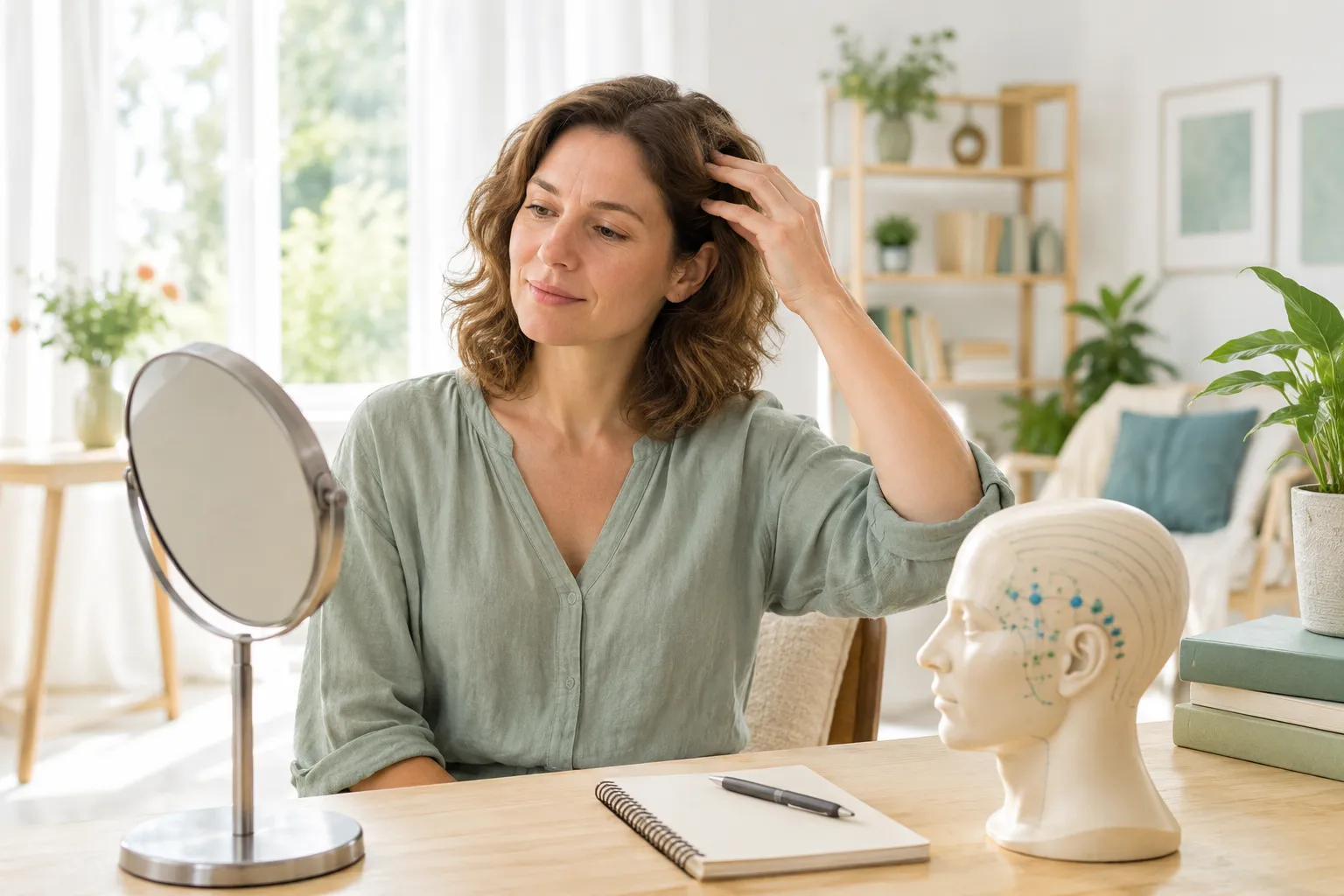
The question of whether you can run your own Bars is both practical and philosophical. Physically, some of the 32 Access Bars points are reachable with your own hands, particularly those at the front and sides of the head. Others, like points at the back and top of the head, are awkward or impossible to reach comfortably.
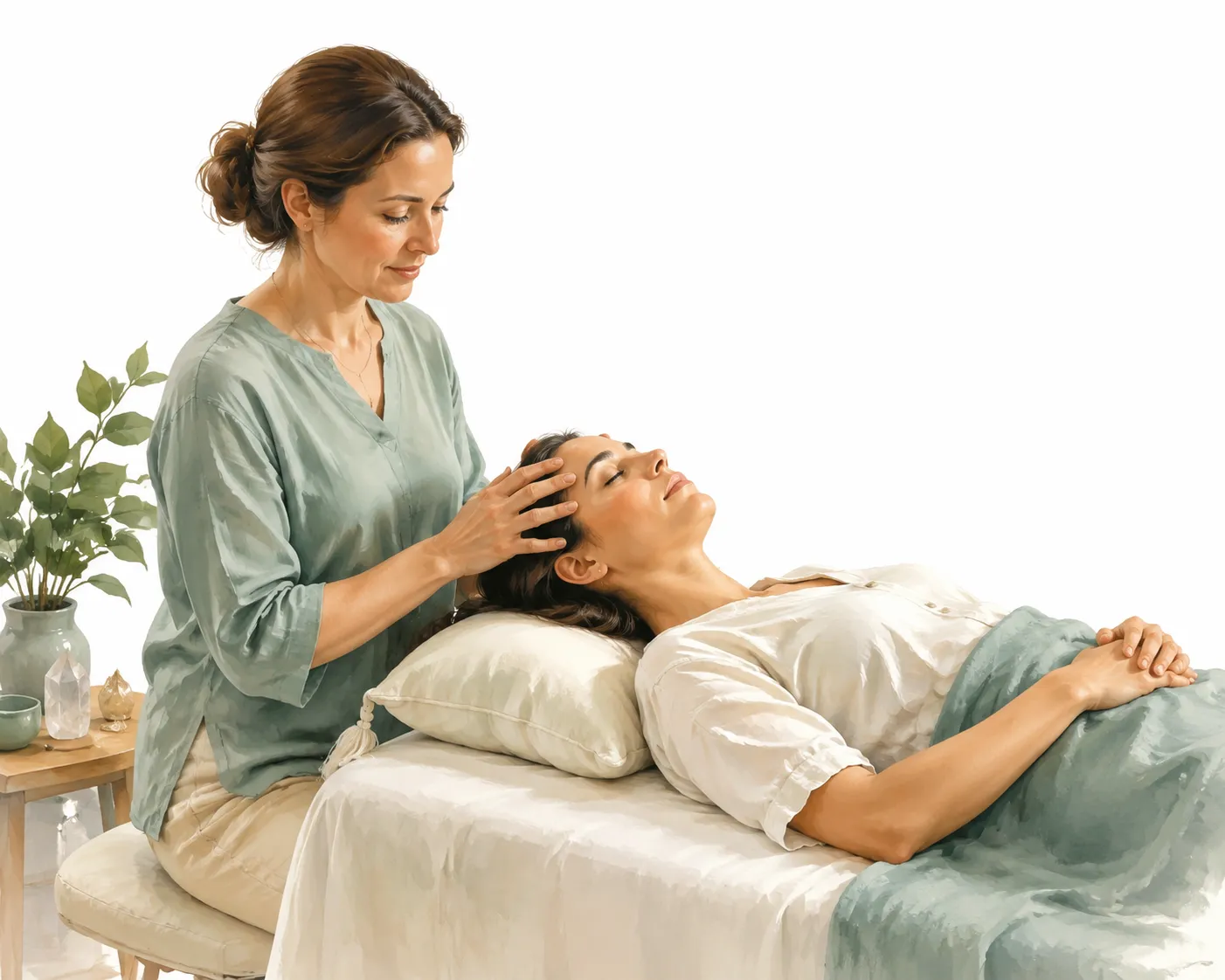
The Access Consciousness system generally teaches the Bars technique as something one person performs on another. The official training is built around a practitioner-recipient dynamic. Self-practice is not a standard part of the certification or the system's recommended approach.
Some practitioners and enthusiasts experiment with self-Bars, either by reaching the points they can access or by using alternative methods like visualisation or tapping. These are personal experiments rather than formally taught techniques.
The key practical limitation is that performing the technique on yourself requires holding your arms up, which can become tiring and makes it difficult to relax. Since relaxation is one of the main reported benefits of receiving Bars, self-practice may limit the experience it tries to produce.
Reachability of Access Bars points for self-practice
A visual showing which points are generally reachable for self-Bars and which are difficult to access.
Reachable points
Front and side points may be accessible with your own hands.
Difficult points
Back and top-of-head points are hard to reach comfortably.
Arm fatigue
Holding arms up limits relaxation and makes extended self-practice tiring.
Self-touch limitations
Self-practice differs from having a practitioner perform the technique.
Skim first
Key takeaways
The shortest useful version of this page.
You can reach some Access Bars points on your own head.
Other points are awkward or impossible to reach comfortably.
The official system teaches the technique as practitioner-on-recipient.
Self-Bars is not taught in certification classes.
Arm fatigue limits the relaxation and duration of self-sessions.
There is no research on self-administered Access Bars.
Most practitioners recommend receiving the technique from someone else.
Self-practice is a personal experiment, not an established method.
The practical reality
What trying to run your own Bars actually involves
If you decide to try running your own Bars, you would sit or lie in a position that allows your hands to reach your head. You would then attempt to make fingertip contact with the points you can access, ideally holding each point for a short period before moving to the next.
In practice, this is more difficult than it sounds. Points at the front of the head are fairly accessible. Points at the temples and sides are also reachable. But points at the crown, back of the head, and base of the skull are awkward to reach, particularly if you are trying to maintain a relaxed position.
The arms quickly become tired from being held up. Fatigue can distract from the session's restful quality. This is one of the main reasons why practitioners generally recommend having someone else perform the technique. It allows the recipient to fully rest.
What practitioners and the system say about self-Bars
- Practitioner
Many certified practitioners focus on providing sessions to others and may not practice self-Bars themselves. The official training does not emphasize self-practice as a standard approach.
- Participant
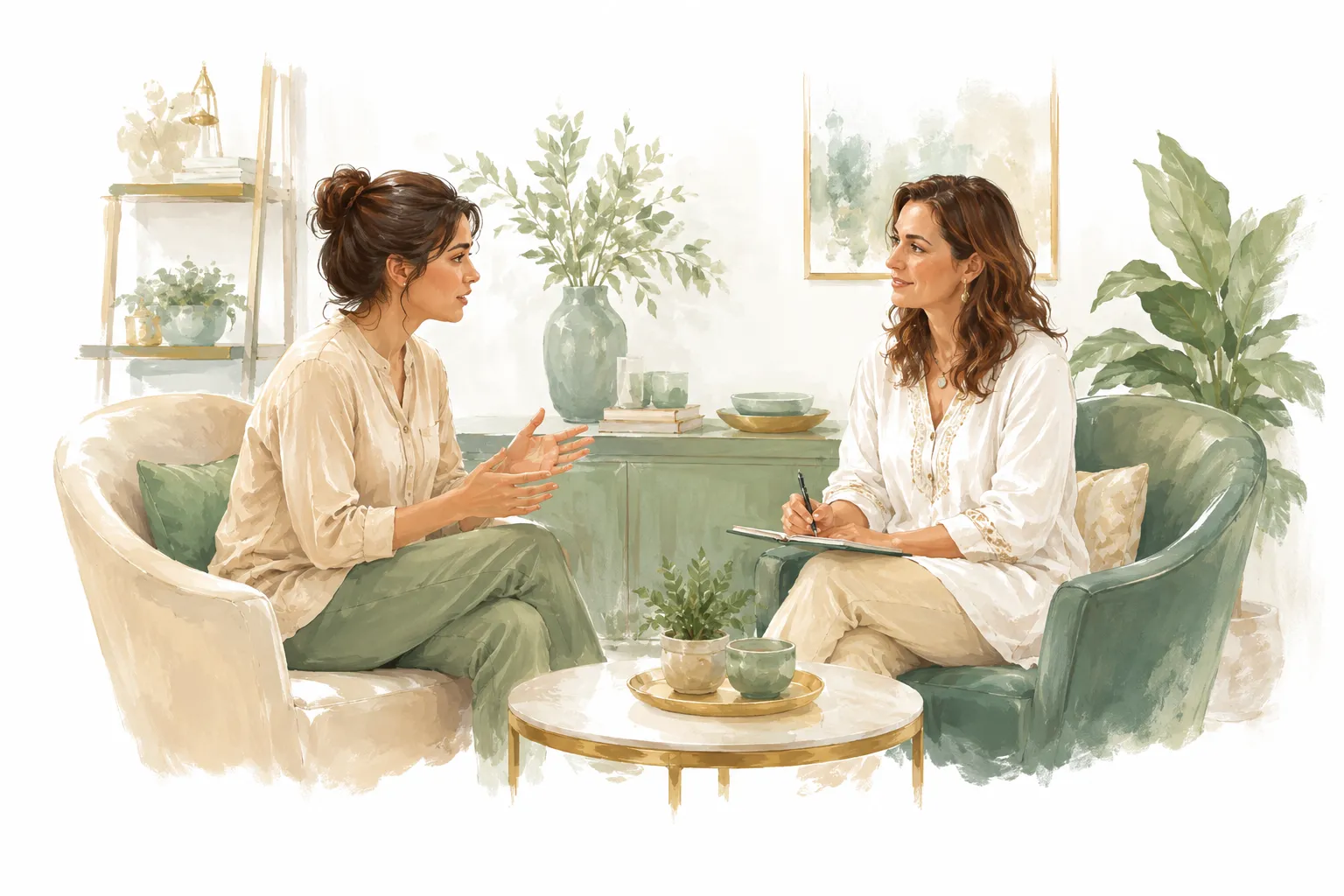
Some people who have received Bars sessions express curiosity about whether they could do it themselves, particularly if they enjoyed the relaxation and want to access it more conveniently.
- Student
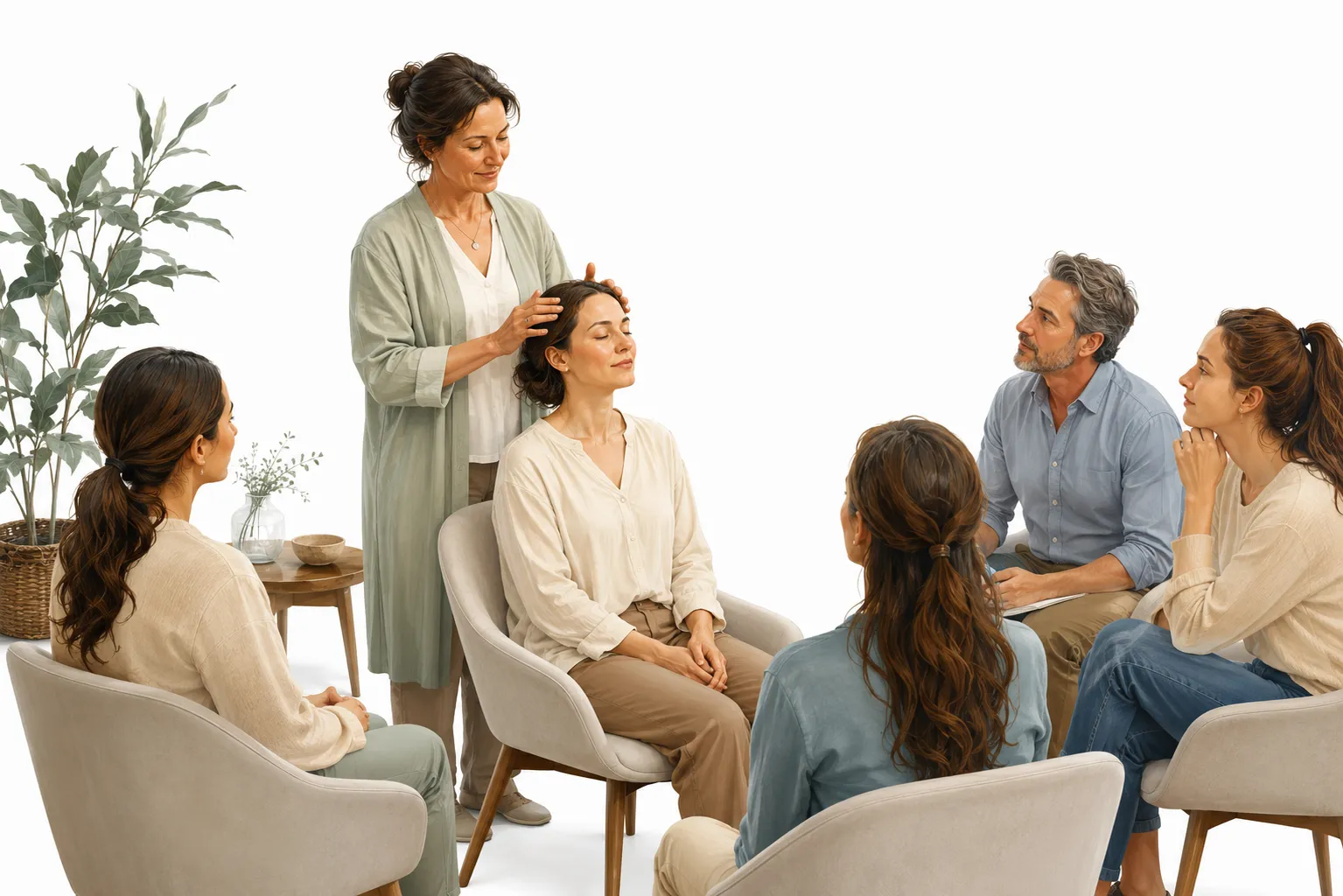
Students in Access Bars classes sometimes ask about self-Bars. Facilitators typically explain that the technique is taught as a practitioner-on-recipient practice.
- Facilitator
Some facilitators suggest that receiving Bars from another person is more beneficial because the recipient can fully rest without having to hold their arms up or concentrate on points.
- Balanced view
Practitioner and participant experiences are not the same as evidence. A person may find self-touch relaxing, but that does not mean self-Bars produces the same effects as practitioner-facilitated sessions or that the system's claims about the technique apply to self-practice.
- Evidence view
There is no independent research on self-administered Access Bars. The reported benefits of the technique are based on sessions performed by practitioners on recipients.
If you choose to experiment with self-Bars, do not substitute it for appropriate medical or psychological care or expect outcomes that have not been demonstrated.
Reality check
Common misunderstandings about self-Bars
- Myth
You can give yourself a full Bars session.
RealityIt is difficult to reach all the points comfortably, and you cannot fully relax while performing the technique on yourself.
- Myth
Self-Bars is taught in Access Bars classes.
RealityThe standard certification class teaches the technique as a practitioner-on-recipient practice. Self-Bars is not a formal part of the training.
- Myth
Self-Bars works the same way as receiving from a practitioner.
RealityThere is no evidence that self-practice produces the same effects as a practitioner-facilitated session.
- Myth
Touching the points yourself is all you need for the technique to work.
RealityThe Access Consciousness system describes the technique as an interaction that includes the practitioner's intent and presence, not just physical contact. Even within the system, it is not described as a self-application method.
Self-Bars vs. receiving from a practitioner
Comparing the two approaches helps clarify the practical and conceptual differences.
Physical reach
Limited. Some points difficult to access
All points are fully accessible
Ability to relax
Harder (arms must be held up
Easier) full rest position possible
Arm fatigue
Likely (arms become tired
No) recipient rests without using arms
Official teaching
Not formally taught
Core method taught in certification
Research evidence
None available
Limited but studied as practitioner-on-recipient
Concentration required
High (you must actively perform the technique
Low) you can simply rest and receive
What to remember about self-Bars
Some points are reachable; others are not.
Self-practice is not taught in Access Bars certification.
Arm fatigue limits the duration and relaxation of self-sessions.
The relaxed, receptive state is harder to achieve alone.
There is no research on self-administered Access Bars.
Practitioners generally recommend receiving the technique from someone else.
Self-touch is a personal experiment, not the standard approach.
Do not substitute self-practice for appropriate professional care.
Verdict
Our evidence-based verdict on self-Bars
insufficient-evidence
While you can physically touch some of the Access Bars points on your own head, performing a proper Bars session on yourself is practically difficult. The official system teaches the technique as a practitioner-on-recipient practice, and there is no research on self-administered Access Bars. If you want to experience Access Bars as it is taught, receiving from a practitioner is the standard approach.
What we know
- Some head points are reachable with your own hands.
- Other points are difficult or impossible to reach comfortably.
- The official training does not teach self-Bars.
- Arm fatigue limits the duration and relaxation of self-sessions.
What we do not know
- Whether self-Bars produces the same effects as receiving from a practitioner.
- Whether self-practice has any specific benefits or outcomes.
- Whether self-Bars works through the proposed mechanism.
If you want to experience Access Bars as it is formally taught and offered, you need a practitioner to perform the technique on you. Self-practice is a personal experiment with no established evidence behind it.
Bottom line
Self-care is not always the same as self-practice
It is natural to want to be self-sufficient, but some wellness practices are designed to be received rather than performed. Access Bars belongs to the latter category.
Quick answers
Frequently asked questions
Can you do Access Bars on yourself?
You can touch some points, but a full self-session is difficult. The technique is taught as a practitioner-on-recipient practice.
Is self-Bars effective?
There is no evidence that self-Bars produces the same effects as receiving from a practitioner.
Why can't you run your own Bars easily?
Many points are hard to reach, and holding your arms up prevents full relaxation.
Do Access Bars practitioners practice on themselves?
Some may experiment with self-touch, but the standard practice is performing sessions on others.
Can I get the same benefits from self-Bars?
Not according to available evidence or the system's own teaching. Receiving from a practitioner allows for full rest and relaxation.
Sources
REPLACE IF AVAILABLE. REPLACE WITH VERIFIED OFFICIAL ACCESS BARS PAGE TITLE. Access Consciousness, REPLACE_IF_AVAILABLE. Accessed YYYY-MM-DD
Use to establish how the official system describes the Bars technique and whether self-practice is taught.
REPLACE WITH VERIFIED AUTHORS. REPLACE WITH VERIFIED RESEARCH PAPER TITLE. REPLACE WITH VERIFIED JOURNAL, REPLACE WITH VERIFIED DATE. Accessed YYYY-MM-DD
Use to assess whether any research exists on self-administered Access Bars.