The point tied to the philosophy
Why the Awareness Bar carries extra philosophical weight
Most of the 32 named Access Bars points map onto a specific, fairly concrete life theme — money, aging, sexuality. The Awareness Bar is a little different, because "awareness" isn't just one theme among many within Access Consciousness; it's arguably the organizing idea behind the entire system. Access Consciousness materials frequently describe the goal of their tools, including Access Bars, as increasing a person's capacity to be aware — to perceive more, judge less, and choose more consciously.
Given that context, the Awareness Bar is often described as holding the accumulated blocks, judgments, and fixed conclusions that limit someone's perception — patterns of thought that make a person feel closed off, foggy, or disconnected from their own instincts. Touching this point is said to help loosen those blocks.
As with the other named points, this is a claim that lives inside the Access Consciousness worldview. There is no independent neuroscience confirming that perception or awareness is stored at, or regulated by, this specific location on the head. People who report feeling clearer or calmer after a session may be experiencing the ordinary effects of rest, quiet, and focused attention rather than a targeted release specific to this point.
Understanding the Awareness Bar is really understanding a piece of the broader Access Consciousness philosophy — which is worth engaging with on its own terms, separate from any claim about a verified physical mechanism.
Skim first
Key takeaways
The shortest useful version of this page.
The Awareness Bar is one of the 32 named Access Bars points, generally near the crown of the head.
It's claimed to hold blocks and judgments that limit perception and awareness.
It's closely tied to the central philosophy of Access Consciousness.
No independent evidence confirms the claimed mechanism.
Reported clarity likely reflects general relaxation rather than a targeted effect.
What the Awareness Bar is said to represent
Awareness Bar
Within Access Consciousness, the Awareness Bar is described as holding the accumulated judgments, conclusions, and blocks that limit a person's capacity to perceive and be aware.
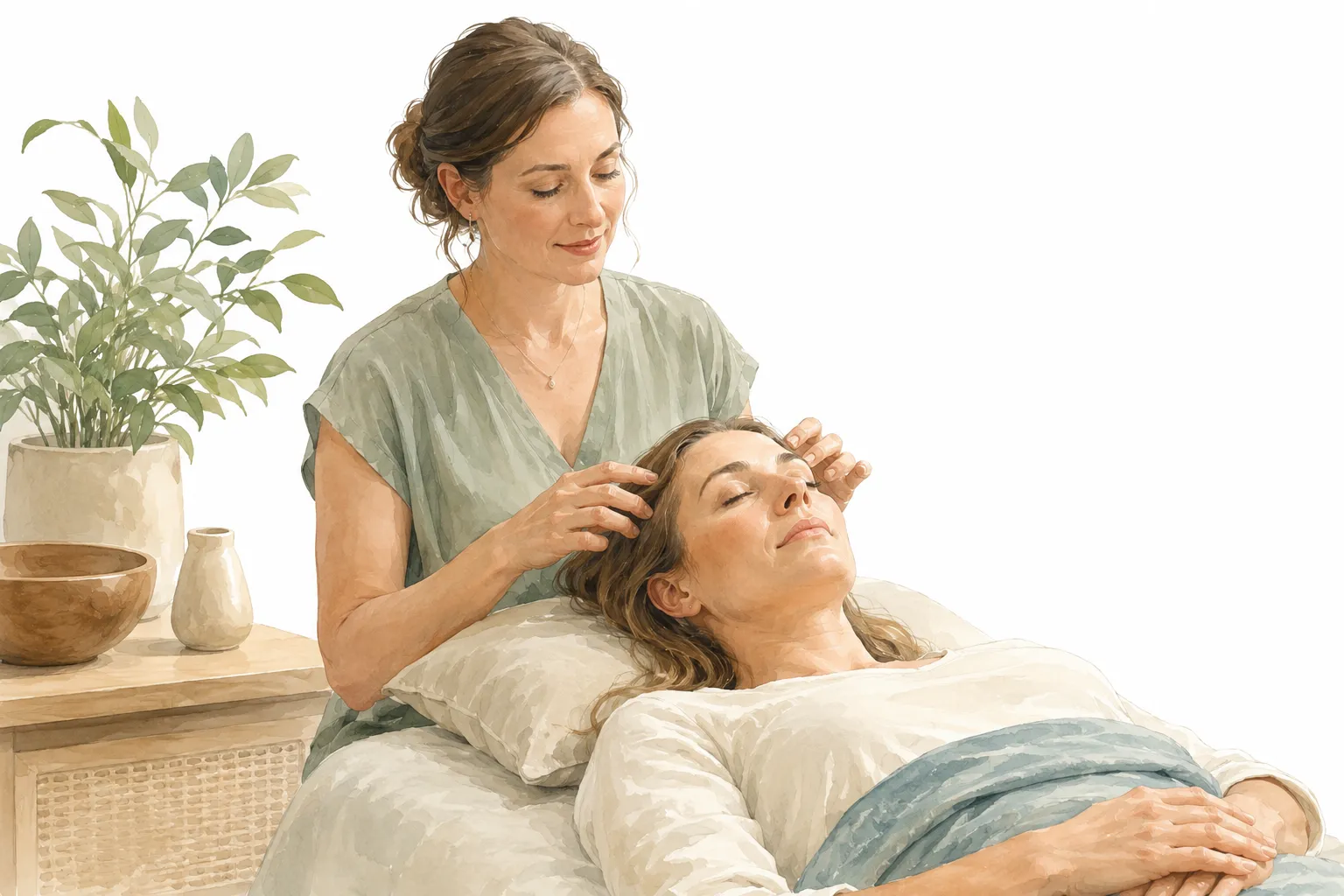
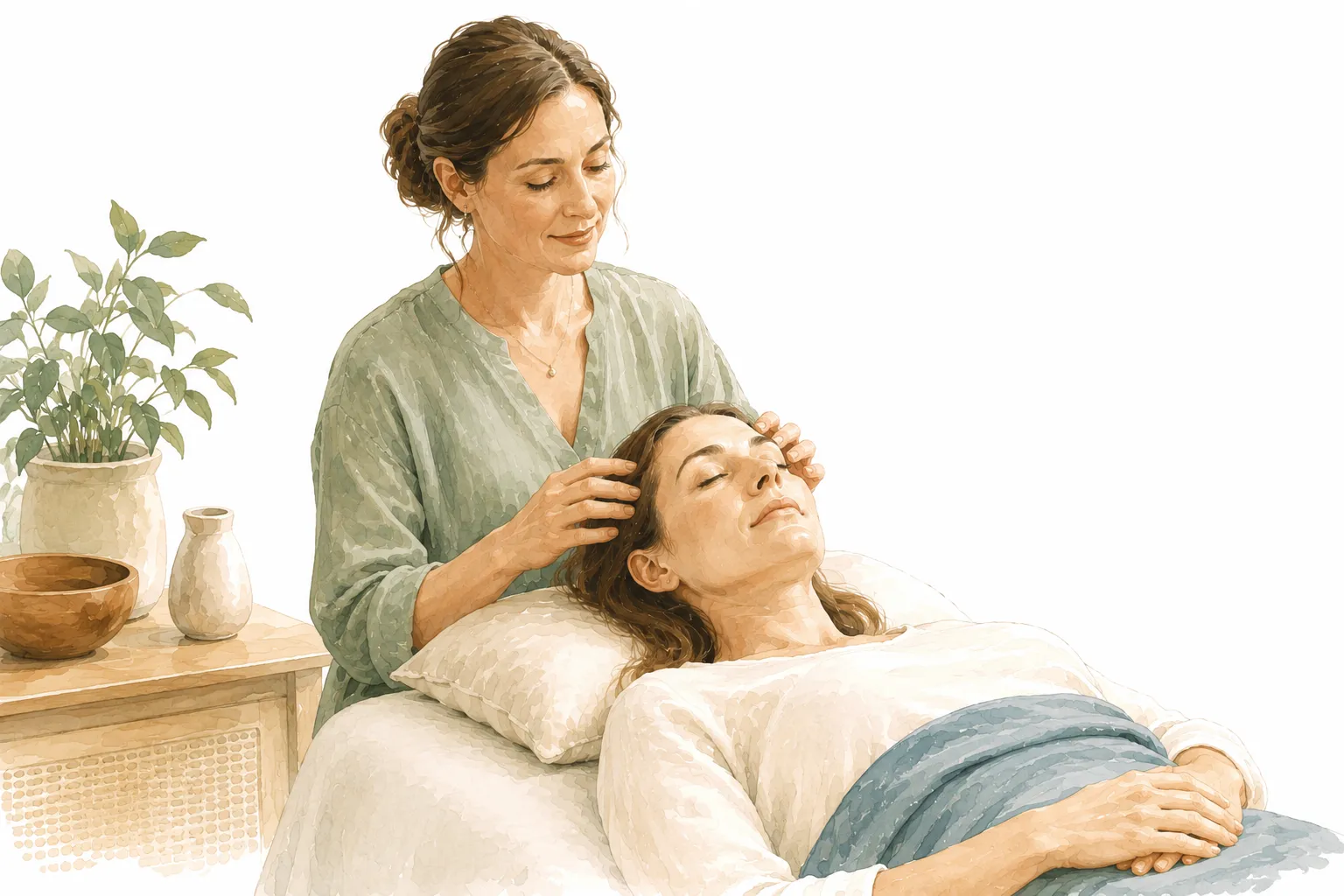
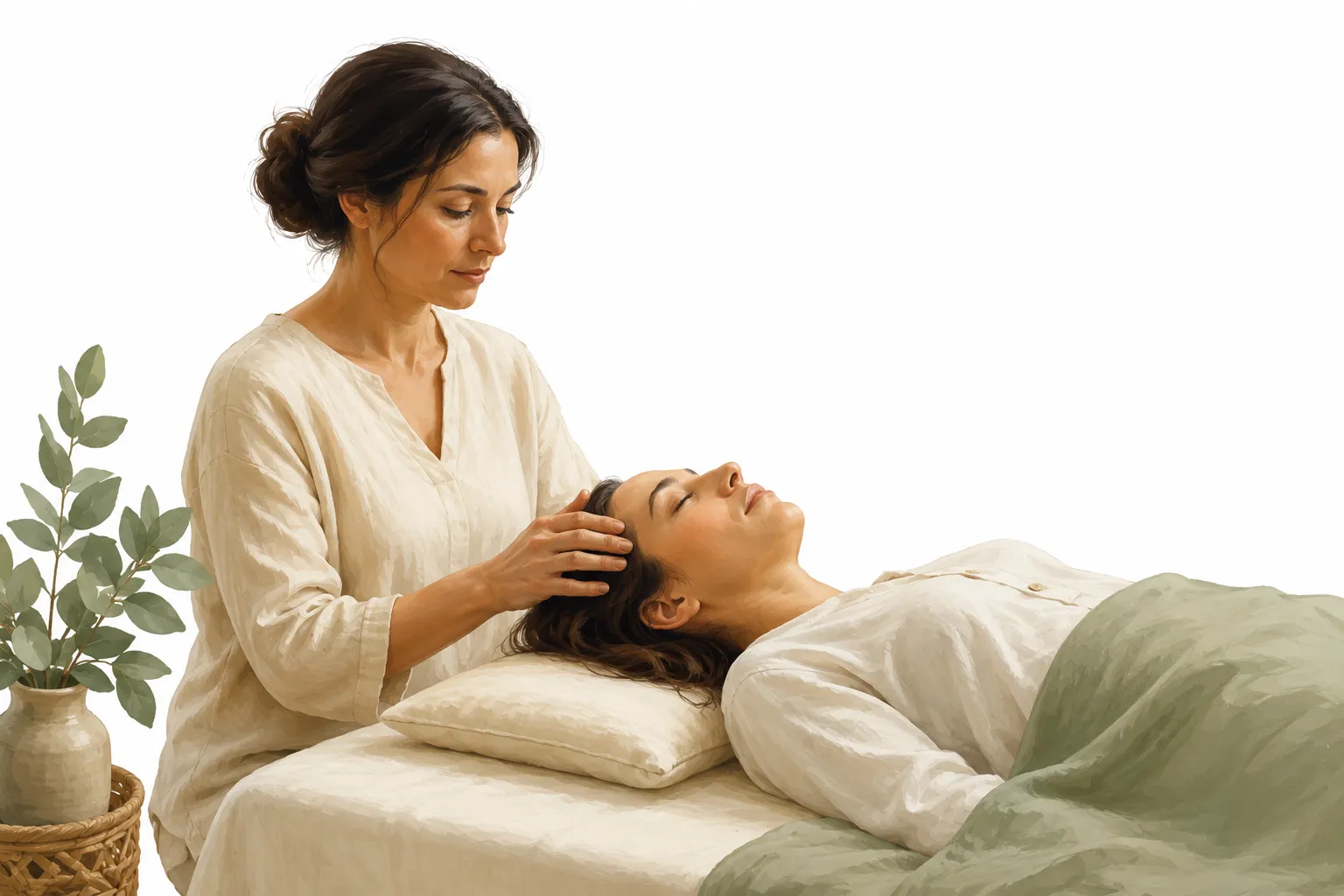
It is one of the 32 named points touched during a standard Access Bars session, generally located toward the crown of the head.
The claim reflects the internal philosophy of the practice rather than a demonstrated neurological finding. Reported feelings of mental clarity are more plausibly linked to rest and focused, quiet attention than to a confirmed release mechanism specific to this point.
Context
How the Awareness Bar connects to the wider Access Consciousness philosophy
Access Consciousness describes itself as a set of tools for living more consciously, and "awareness" recurs constantly across its materials as the outcome those tools are meant to support. Given that emphasis, it's not surprising that one of the 32 points is named directly after the concept.
Some practitioners describe touching the Awareness Bar as especially significant for this reason — treating it less as one theme among equals and more as connected to the underlying purpose of the whole practice.
That framing is internally consistent with the system's own philosophy, but it's worth remembering that philosophical significance and scientific verification are two different things. A point can matter a great deal within a belief system without that mattering translating into a demonstrated physiological effect.
How is the Awareness Bar supposed to work?
As with the other named points, there's a claimed system explanation and a more grounded, evidence-based explanation.
Fixed judgments and conclusions accumulate over time
Access Consciousness teaches that people build up rigid points of view that limit what they're willing or able to perceive.
This is said to be "stored" at the Awareness Bar
The system describes the electromagnetic charge of these blocks accumulating at this specific point.
Touching the point is said to loosen those blocks
Practitioners describe this as opening space for greater perception and choice, without a specific guaranteed outcome.
A more conventional explanation
Any reported sense of mental clarity is more plausibly explained by rest, quiet, and the effects of focused attention than by a verified perception-specific release mechanism.
Reality check
Common misunderstandings about the Awareness Bar
- Myth
The Awareness Bar gives you psychic or extrasensory abilities.
RealityAccess Consciousness materials describe increased perception and consciousness in an everyday sense, not a claim to supernatural or extrasensory perception.
- Myth
This point is scientifically confirmed to regulate brain function related to attention or awareness.
RealityNo independent neuroscience confirms that this location is functionally distinct in relation to perception or attention.
- Myth
Because "awareness" is central to the philosophy, this point must be more effective than the others.
RealityPhilosophical centrality within the system doesn't equate to stronger independent evidence for this point specifically.
How different people describe this point
- Practitioner
Practitioners often describe the Awareness Bar as connected to helping clients feel more present, open, and able to perceive their own choices clearly.
- Participant
Recipients describe a range of experiences, from a sense of mental quiet or clarity to no distinct sensation tied to this point specifically.
- Balanced view
These descriptions reflect genuine reported experience and a coherent internal philosophy, but they don't by themselves establish a verified mechanism specific to this location.
- Evidence view
Independent evidence is currently insufficient to confirm that this point produces effects distinct from the general relaxation associated with the rest of an Access Bars session.
Descriptions of "increased awareness" should not be treated as a substitute for professional support with genuine cognitive, psychological, or perceptual concerns.
What to remember
The Awareness Bar is generally located toward the crown of the head.
It's claimed to hold blocks and judgments that limit perception.
It's closely tied to the central philosophy of Access Consciousness.
No independent evidence confirms the claimed mechanism.
Reported clarity likely reflects general relaxation rather than a targeted effect.
Verdict
Our evidence-based verdict
insufficient-evidence
The Awareness Bar is a genuine, consistently taught point within the Access Bars system, closely connected to the organization's broader philosophy around awareness. Its claimed effect on perception is a philosophical and practitioner claim rather than an independently verified scientific finding.
What we know
- The Awareness Bar is one of the 32 standard points in an Access Bars session.
- It is closely tied to the central themes of Access Consciousness philosophy.
What we do not know
- Whether this location has any distinct physiological role related to perception or attention.
- Whether touching it produces any measurable effect beyond general relaxation.
Engage with the Awareness Bar as part of a specific wellness philosophy you may or may not find personally meaningful, not as a scientifically proven method for enhancing perception.
Bottom line
A concept worth sitting with, not a mechanism to bank on
There's nothing wrong with finding the idea of releasing blocks to awareness appealing. Just hold that appeal separately from any claim about verified science.
Quick answers
Frequently asked questions
What is the Awareness Bar in Access Bars?
It's one of the 32 named points, generally located toward the crown of the head, described as holding blocks to perception and awareness.
Why is awareness so central to Access Consciousness?
The organization frames increased awareness and conscious choice as the core purpose behind most of its tools, including Access Bars.
Does this point have special scientific status compared to the others?
No. Despite its philosophical centrality, there's no independent evidence that it has a stronger or different physiological basis than the other 31 points.
Can the Awareness Bar help with focus or mental fog?
Some people report feeling clearer after a session, but this likely reflects general relaxation rather than a verified, targeted effect.
Is the Awareness Bar connected to meditation or mindfulness?
It's conceptually adjacent in that both relate to perception and presence, but Access Bars is a distinct practice with its own claimed mechanism.
Sources
Access Bars: A Life-Changing Holistic Technique. Access Possibilities. Accessed 2026-07-17
Used to confirm Awareness as one of the commonly cited named themes.
REPLACE WITH VERIFIED OFFICIAL ACCESS CONSCIOUSNESS DESCRIPTION OF THE AWARENESS BAR. Access Consciousness. Accessed 2026-07-17
Use for the organization's own description of this specific point and its philosophy.