The technique step by step
What is the Access Bars technique?
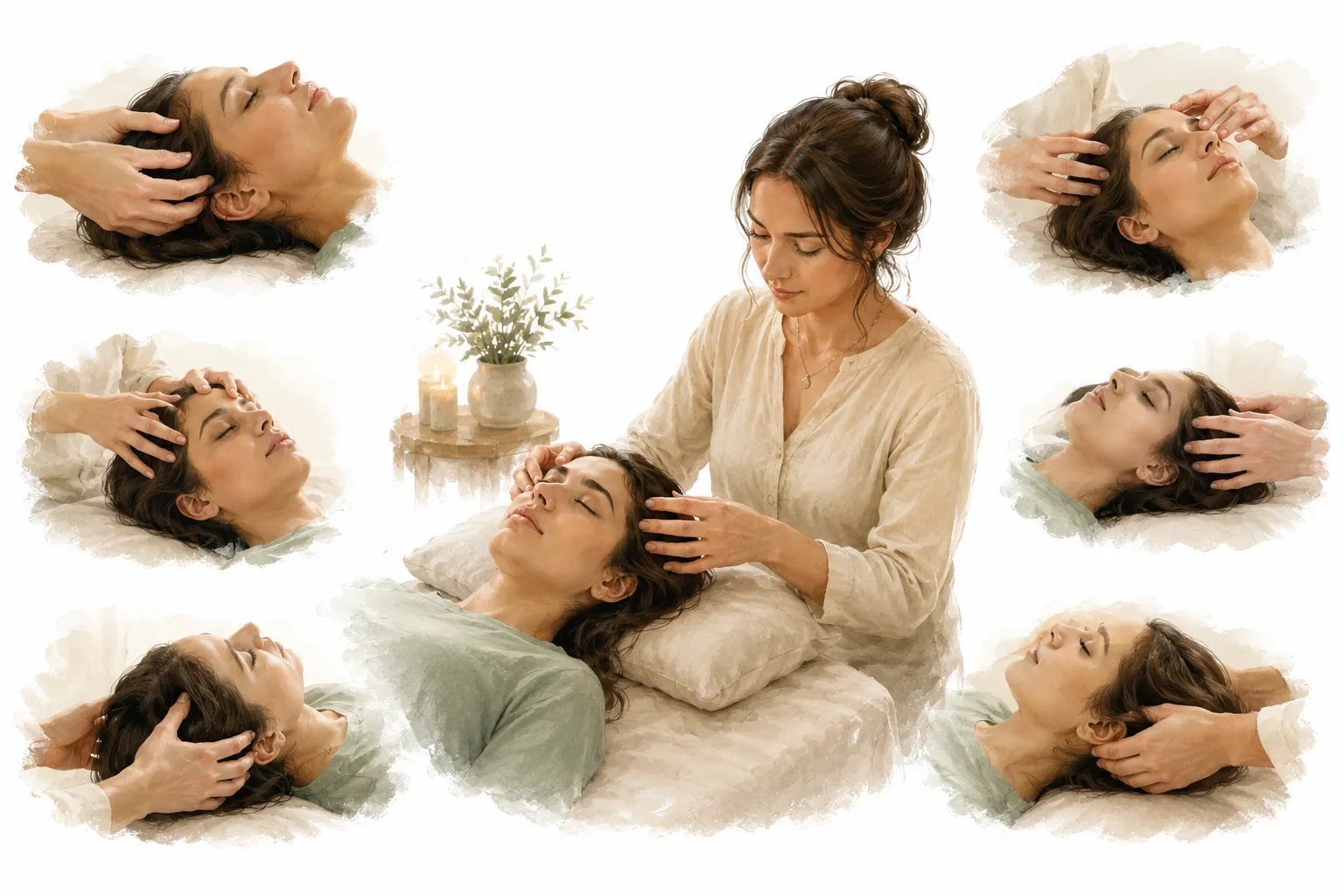
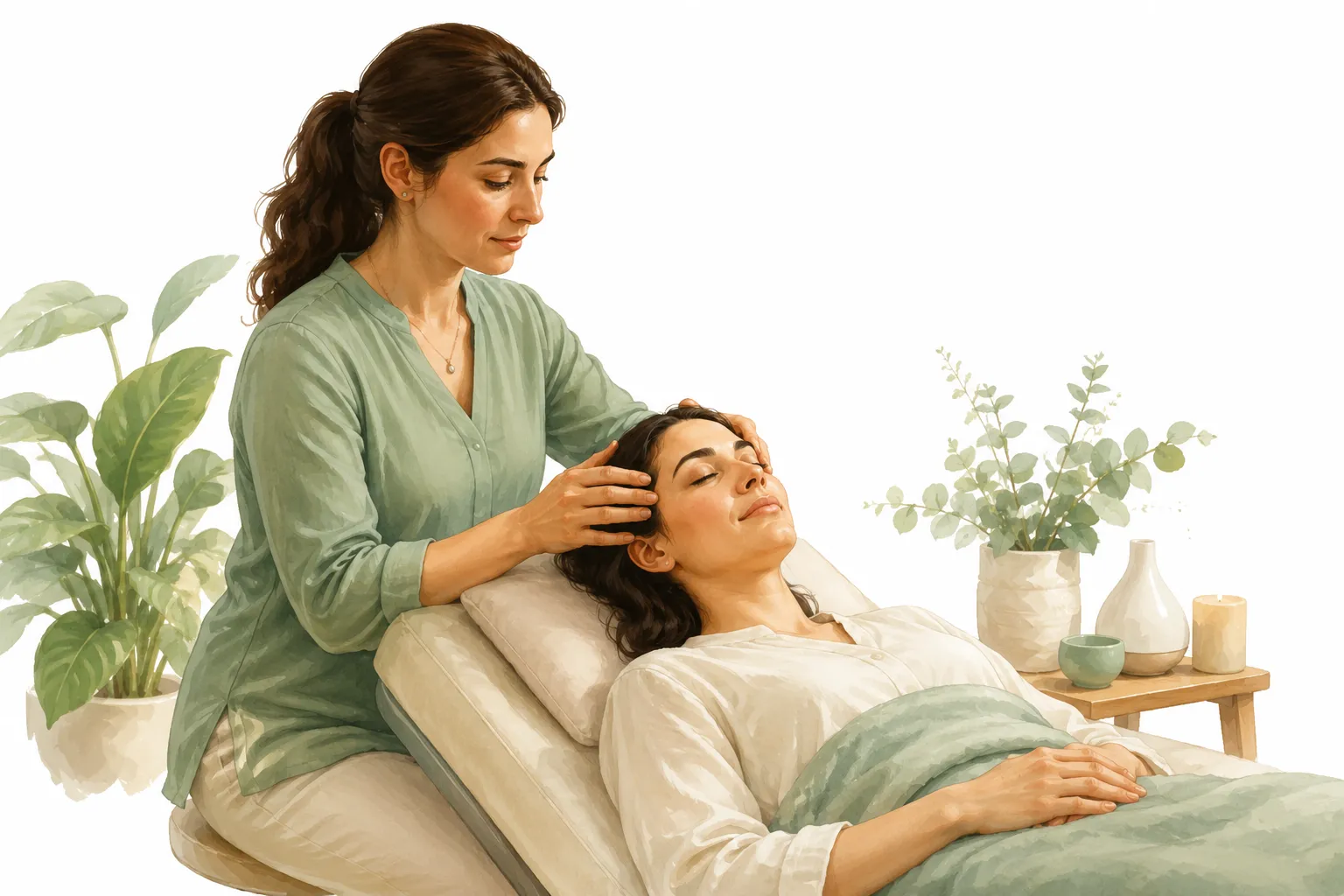
The Access Bars technique is a specific hands-on practice that involves gently touching 32 designated points on the head. According to Access Consciousness, these points—called "Bars"—store thoughts, emotions, and limiting beliefs[citation:1].
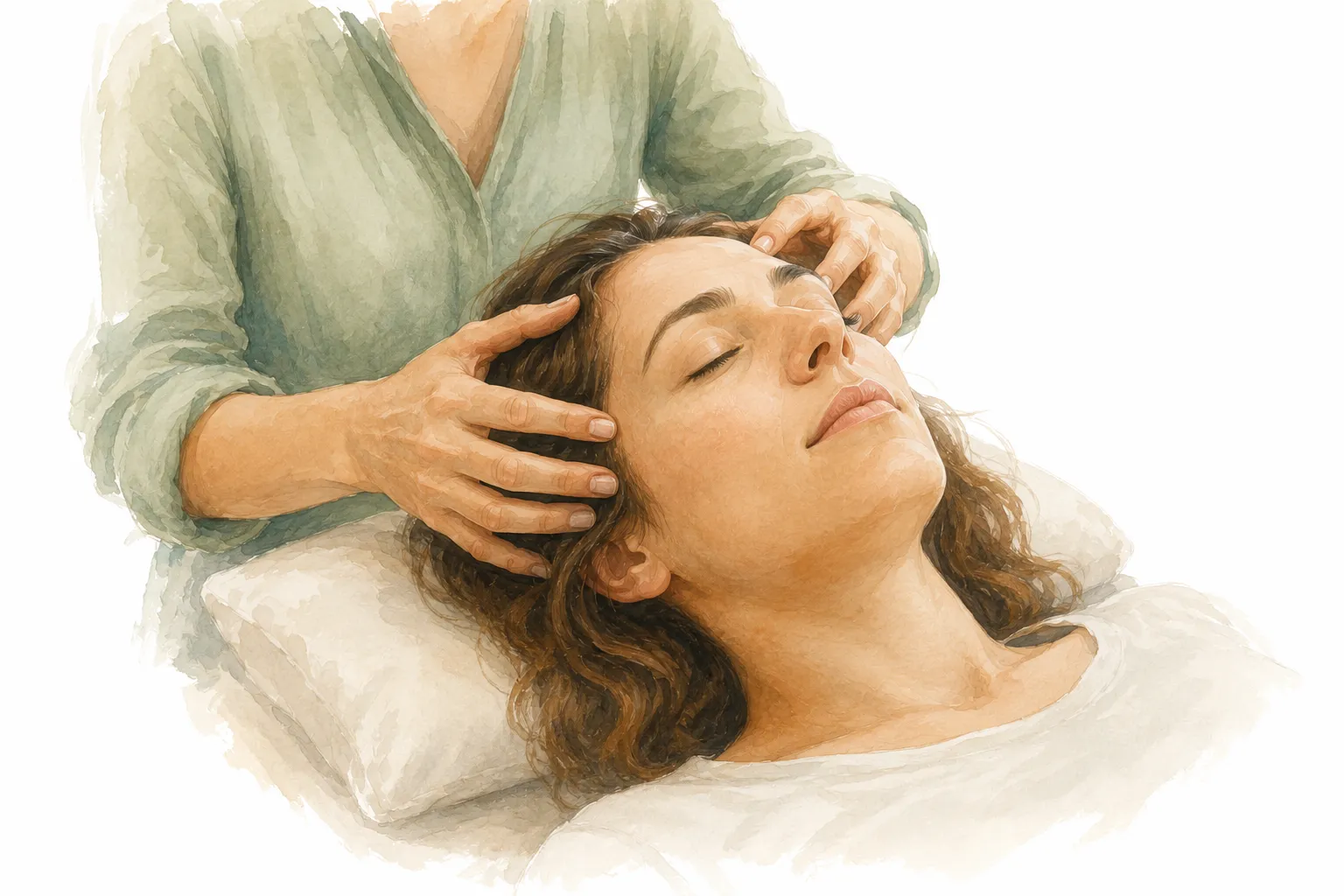
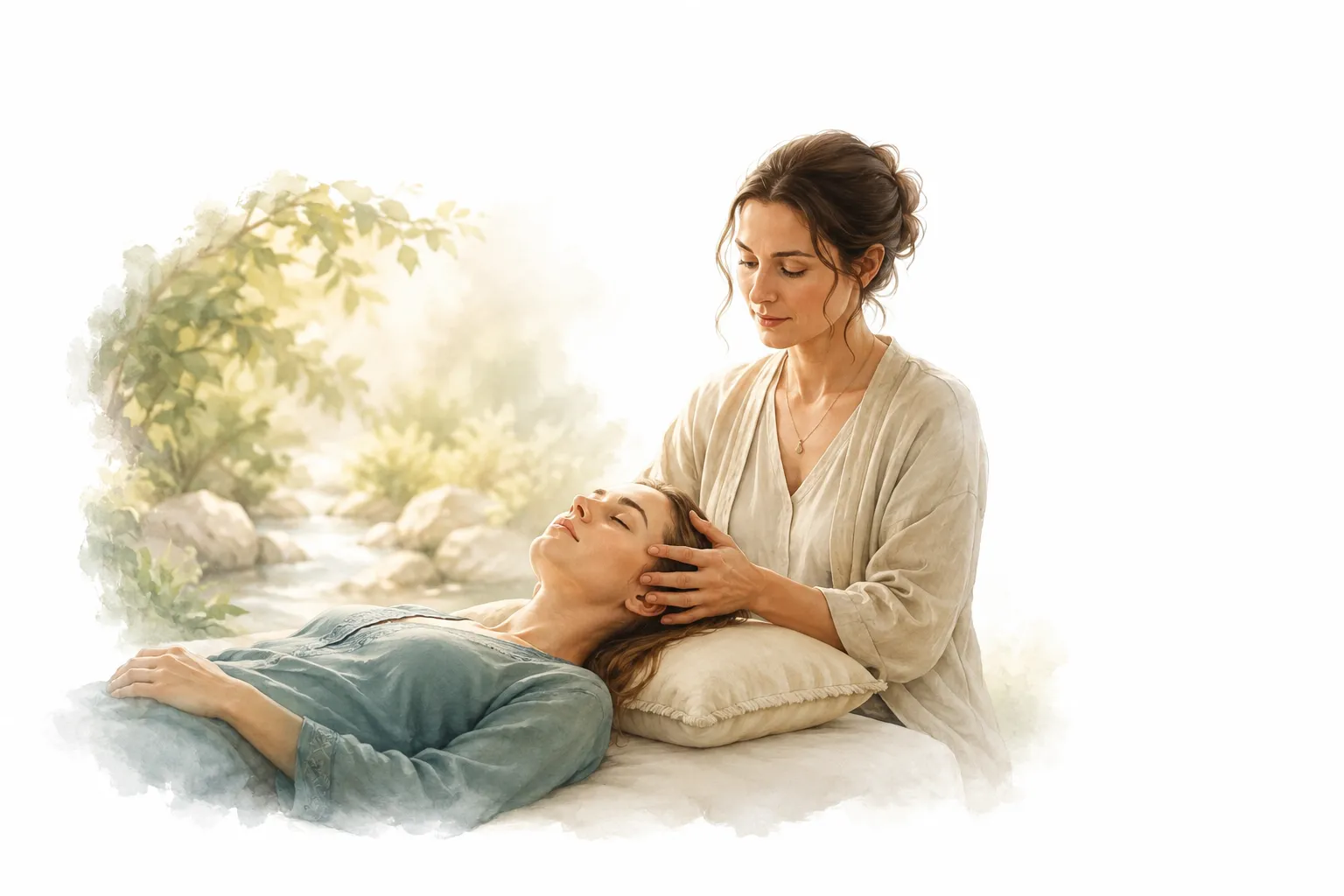
The technique is straightforward: the practitioner uses light fingertip touch on the points, working through them in a sequence. The recipient lies fully clothed on a treatment table or massage table.
The physical movements are not complex. The technique is primarily about placement and gentle contact, not pressure or manipulation.
While the physical technique is simple, the context and claims around it are more elaborate. The technique is taught as part of the Access Consciousness system, and the practice is often accompanied by philosophy and explanation[citation:13].
Access Bars technique: step-by-step
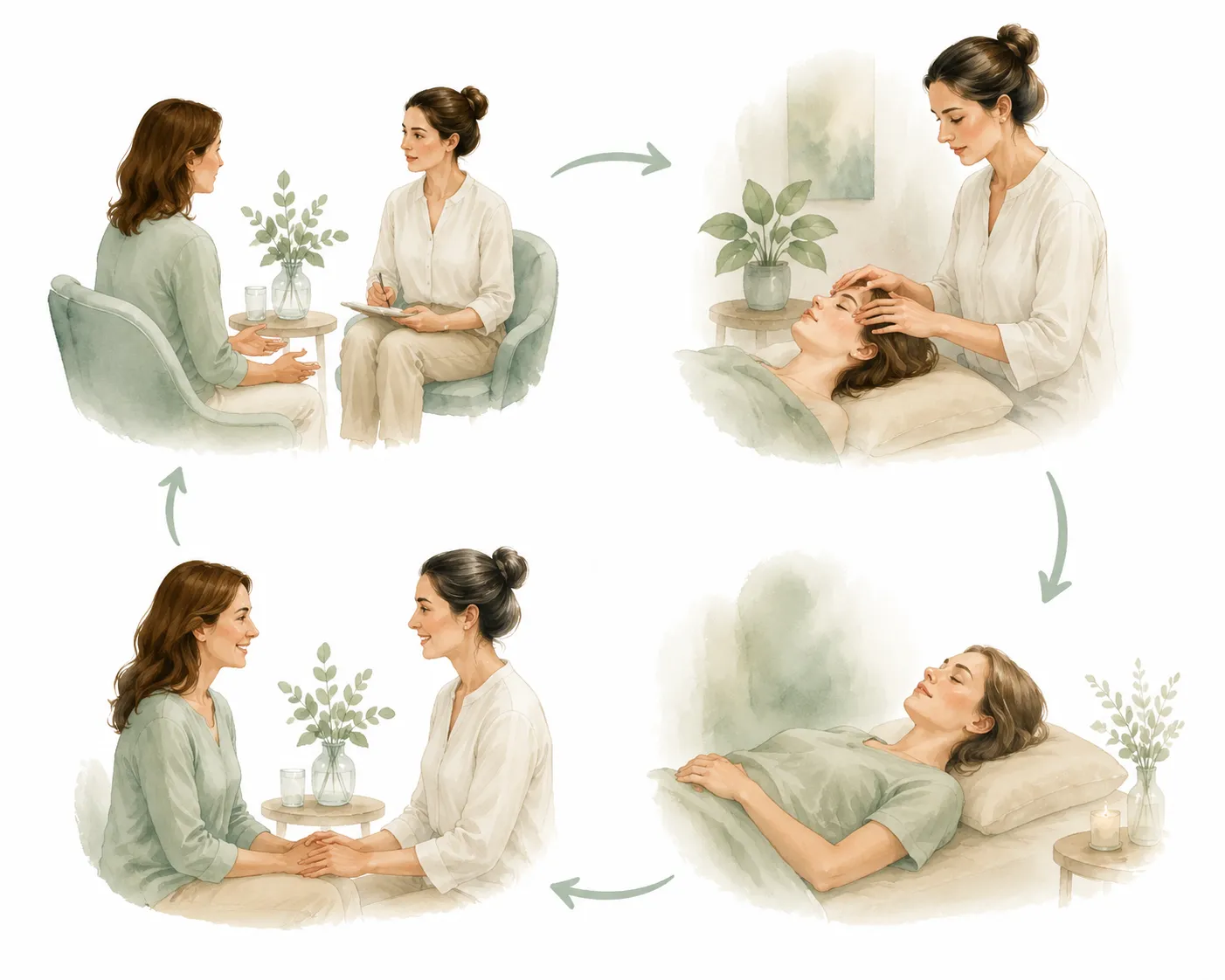
A visual showing the Access Bars technique sequence.
Preparation
Practitioner prepares the space and discusses the session with the recipient.
Positioning
Recipient lies fully clothed on a treatment table.
Locating points
Practitioner identifies the designated head points.
Light touch
Practitioner gently touches the points in a sequence.
Closing
Practitioner finishes the session and may discuss the experience.
Skim first
Key takeaways
The shortest useful version of this page.
The technique involves gentle touch on 32 head points.
The recipient lies fully clothed.
Sessions last 60-90 minutes.
The technique is taught in practitioner training.
The broader claims are not scientifically established.
Do not use it as a substitute for professional care.
Where the technique came from
- Gary Douglas developed the Access Bars technique as part of Access Consciousness.The technique became the most visible practice of the system.
- Practitioner courses standardized the technique internationally.A consistent method was taught globally.
- The technique is offered by trained practitioners and taught in classes worldwide.The technique is widely accessible.
The Access Bars technique: step-by-step
While practitioners may vary their approach, a standard session follows a general sequence.
1. Initial consultation
The practitioner discusses the session, answers questions, and obtains consent. They may ask about the recipient's comfort and preferences.
5-10 minutes2. Positioning the recipient
The recipient lies fully clothed on a treatment table in a comfortable position.
2-3 minutes3. Locating the points
The practitioner identifies the designated head points using the taught system.
Ongoing4. Running the points
The practitioner gently touches or holds the points in a sequence. Each point may be held for a few minutes.
50-70 minutes5. Closing and check-in
The practitioner finishes the session and may ask how the recipient feels.
5-10 minutes
What are the Access Bars points?
Access Consciousness teaches a specific map of head points associated with different themes.
The locations and names belong to the Access Consciousness system. They are not recognized anatomical structures.
Money
Top area of the head
Thoughts and attitudes about money.
The practitioner touches a specific area on the top of the head.
The association is part of the system's philosophy.Control
Side area of the head
Control-related points of view.
The practitioner touches a specific area on the side of the head.
There is no established anatomical basis for this association.Creativity
Front area of the head
Creativity and related limitations.
The practitioner touches a specific area near the front of the head.
The claimed meaning is part of the system's philosophy.Healing
Back area of the head
Healing and the body.
The practitioner touches areas at the back of the head.
There is no established scientific evidence for this association.Awareness
Central top area
Awareness and consciousness.
The practitioner touches a central area on the top of the head.
The claimed association is part of the system's philosophy.
Learning the technique
How do you learn the Access Bars technique?
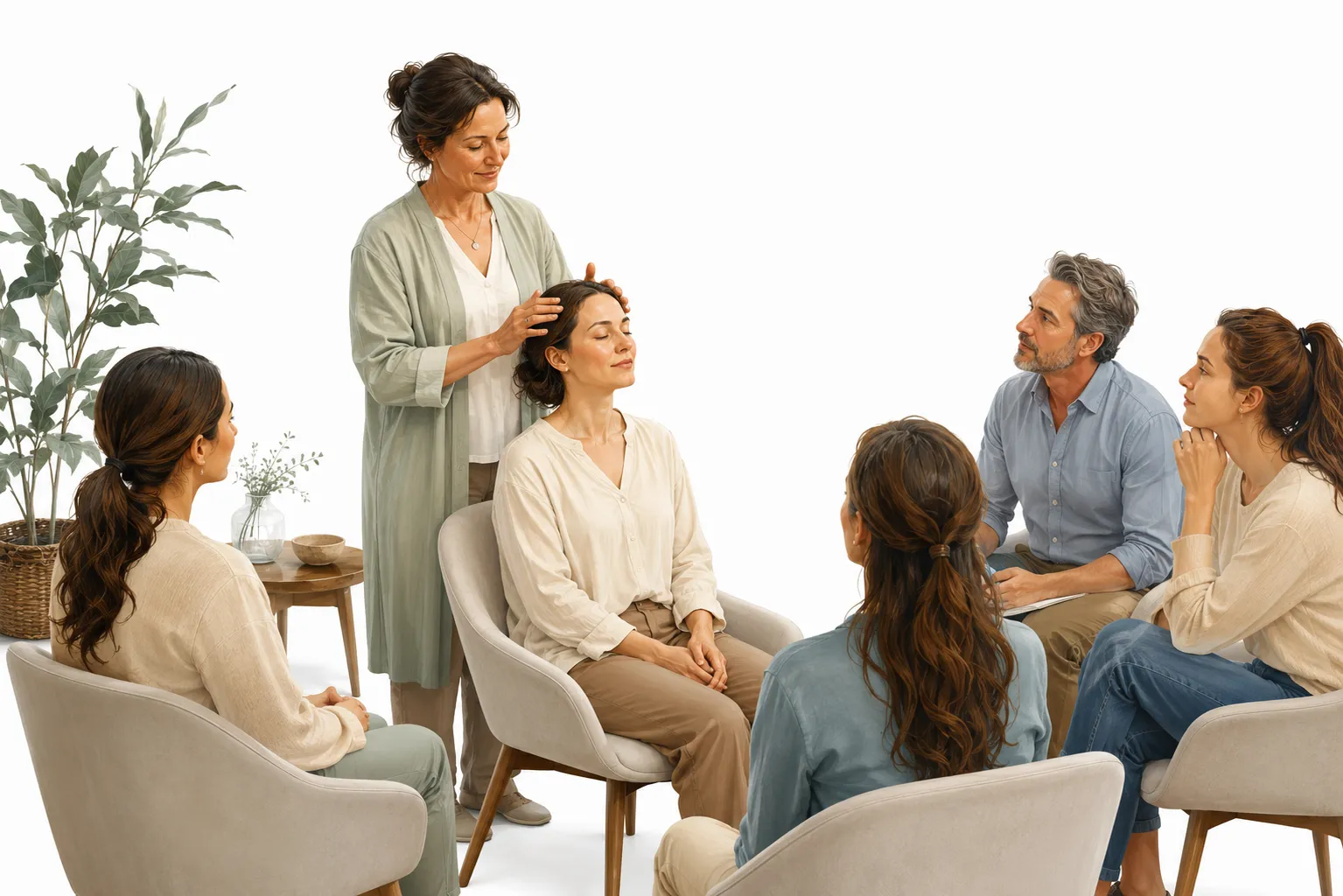
The Access Bars technique is typically learned through a practitioner training course. These courses are offered by certified Access Consciousness facilitators.
A standard course lasts 1-2 days and covers the point locations, the touch technique, and the philosophy behind the practice[citation:12].
After completing the course, participants can offer Access Bars sessions and are listed as certified practitioners.
The technique itself is simple to learn, but the course also includes the Access Consciousness framework and vocabulary.
It is important to note that this training does not qualify anyone as a therapist or medical practitioner—it is training in a specific complementary wellness technique.
How does the technique claim to work?
The technique is described differently by Access Consciousness and by researchers.
Point location
The practitioner locates the taught head points.
Each point is like a specific location on a map.Light touch or holding
The practitioner gently touches or holds the points.
It is more like holding a switch than pressing a button.Claimed clearing
Access Consciousness says the touch helps clear or release limiting thoughts, emotions, and beliefs.
Some describe it as clearing static from a signal.Recipient experience
The recipient may feel relaxed, sleepy, or different.
The experience varies from person to person.Scientific perspective
The claimed mechanism is not established by independent research.
A plausible analogy is not the same as proof.
How different groups view the technique
- Practitioner
Practitioners describe the technique as a way to help clients release limiting thoughts and emotions. They see it as a gentle, non-invasive practice.
- Participant
Recipients often describe the technique as relaxing, calming, or simply restful. Some report emotional releases or unusual sensations.
- Balanced view
The technique can be described objectively as a physical procedure. The experiences it produces can be reported. But the broader healing claims are separate from the technique itself.
- Evidence view
Independent research does not establish the technique's proposed mechanism.
The technique should not be presented as a cure or as a substitute for professional care.
Evidence scan
What does the evidence say about the Access Bars technique?
The evidence question is about whether the technique produces specific effects beyond relaxation, expectation, and gentle touch.
Overall: not enough evidence
Unclear or mixed
Not clearly for or against
The technique helps people relax.
Participant reports support relaxation, but this is not specific to the technique.
Leans against
Points that do not support the claim
The technique releases stored thoughts and emotions.
This claim is based on Access Consciousness philosophy and lacks independent verification.
The technique has therapeutic benefits.
Insufficient evidence for therapeutic benefits beyond relaxation.
Reality check
Common misunderstandings about the Access Bars technique
- Myth
The technique is a type of massage.
RealityIt uses light touch, not massage pressure or kneading[citation:1].
- Myth
The points are recognized anatomical structures.
RealityThey are part of the Access Consciousness teaching system.
- Myth
The technique is scientifically proven.
RealityThe evidence for the broader claims is insufficient.
- Myth
Anyone can perform the technique after watching a video.
RealityPractitioners typically complete training courses, though regulation varies.
Access Bars technique compared to other practices
Understanding how the technique compares to other practices helps set expectations.
Method
Light touch or holding
Pressure and kneading
Needle insertion
Hands-on or off
Focus
Head points
Muscles and soft tissue
Meridian points
Energy flow
Training
1-2 day course[citation:12]
Months to years
Years
Attunement
Regulation
Minimal
Varies by region
Highly regulated
Minimal
Evidence
Limited
Strong for some uses
Mixed
Limited
Safety
Is the Access Bars technique safe?
The physical technique is gentle and low risk, but important considerations include consent, claims, and not delaying professional care.
Generally low-risk for
- Adults comfortable with gentle head touch
- Those who understand the technique's limitations
Use caution if
- You have a head injury or recent surgery
- You are distressed by touch
- A practitioner makes unrealistic claims
Seek professional help if
- You have persistent symptoms
- You need a medical diagnosis
- You are experiencing a mental health crisis
The Access Bars technique is a complementary wellness practice, not a substitute for medical or psychological care.
What to remember about the Access Bars technique
The technique involves gentle touch on 32 head points.
The recipient lies fully clothed.
Sessions last 60-90 minutes.
The technique is taught in practitioner training.
The broader claims are not scientifically established.
Do not use it as a substitute for professional care.
Verdict
Our evidence-based verdict on the Access Bars technique
insufficient-evidence
The Access Bars technique is a gentle head-touch practice. The physical technique is straightforward and easy to learn. The broader claims about what the technique accomplishes are based on the Access Consciousness philosophy and are not scientifically established.
What we know
- The technique involves gentle touch on 32 head points.
- It is taught in practitioner training[citation:12].
- Some people find it relaxing.
What we do not know
- Whether the technique releases stored thoughts or emotions.
- Whether it produces specific effects beyond relaxation.
- Whether it effectively treats any condition.
People may learn or receive the Access Bars technique as an optional wellness practice. Keep expectations realistic and do not replace professional care.
Bottom line
The technique in perspective
The Access Bars technique is a simple physical practice with a complex philosophical explanation. The technique itself is gentle and straightforward. The claims about what it accomplishes are separate and not scientifically established.
Quick answers
Frequently asked questions
What is the Access Bars technique?
It is a gentle head-touch practice using 32 points on the head.
How do you perform Access Bars?
A practitioner gently touches or holds designated head points while the recipient rests fully clothed.
Can I learn the Access Bars technique?
Yes, through Access Bars practitioner training courses.
Is the Access Bars technique a massage?
No, it uses light touch, not massage pressure or kneading[citation:1].
Does the Access Bars technique work?
Some people find it relaxing, but evidence for broader claims is insufficient.
Sources
REPLACE IF AVAILABLE. REPLACE WITH VERIFIED OFFICIAL ACCESS BARS TRAINING PAGE. Access Consciousness, REPLACE_IF_AVAILABLE. Accessed YYYY-MM-DD
Use to establish how the technique is taught and described.
REPLACE WITH VERIFIED AUTHORS. REPLACE WITH VERIFIED RESEARCH PAPER TITLE. REPLACE WITH VERIFIED JOURNAL, REPLACE WITH VERIFIED DATE. Accessed YYYY-MM-DD
Use to assess the evidence for the technique's claims.