The Joy Bar in the Access Bars system
What the Joy Bar represents and how it is used
Access Bars teaches a set of 32 points on the head, each with a distinct theme. The Joy Bar is one of these points, and its theme is joy and the capacity to experience and receive it.
Within Access Consciousness, it is suggested that people accumulate limiting beliefs and decisions that block them from experiencing joy, due to past experiences, societal conditioning, or personal judgments. The Joy Bar is intended to help release these patterns, allowing a person to feel more open to joy in their life.
It is important to clarify that the Joy Bar is not a treatment for depression, anhedonia (the inability to feel pleasure), or other clinical conditions that affect a person's capacity for joy. Its purpose is to address the subjective experience and beliefs associated with joy.
Skim first
Key takeaways
The shortest useful version of this page.
The Joy Bar is one of the 32 Access Bars points.
Its theme is joy, within the Access Consciousness framework.
It involves gentle touch on a specific head area.
Some recipients report subjective feelings of lightness or a new perspective on joy.
These effects are not scientifically proven.
It is not a substitute for professional mental health care.
The point
Understanding the Joy Bar in Access Bars
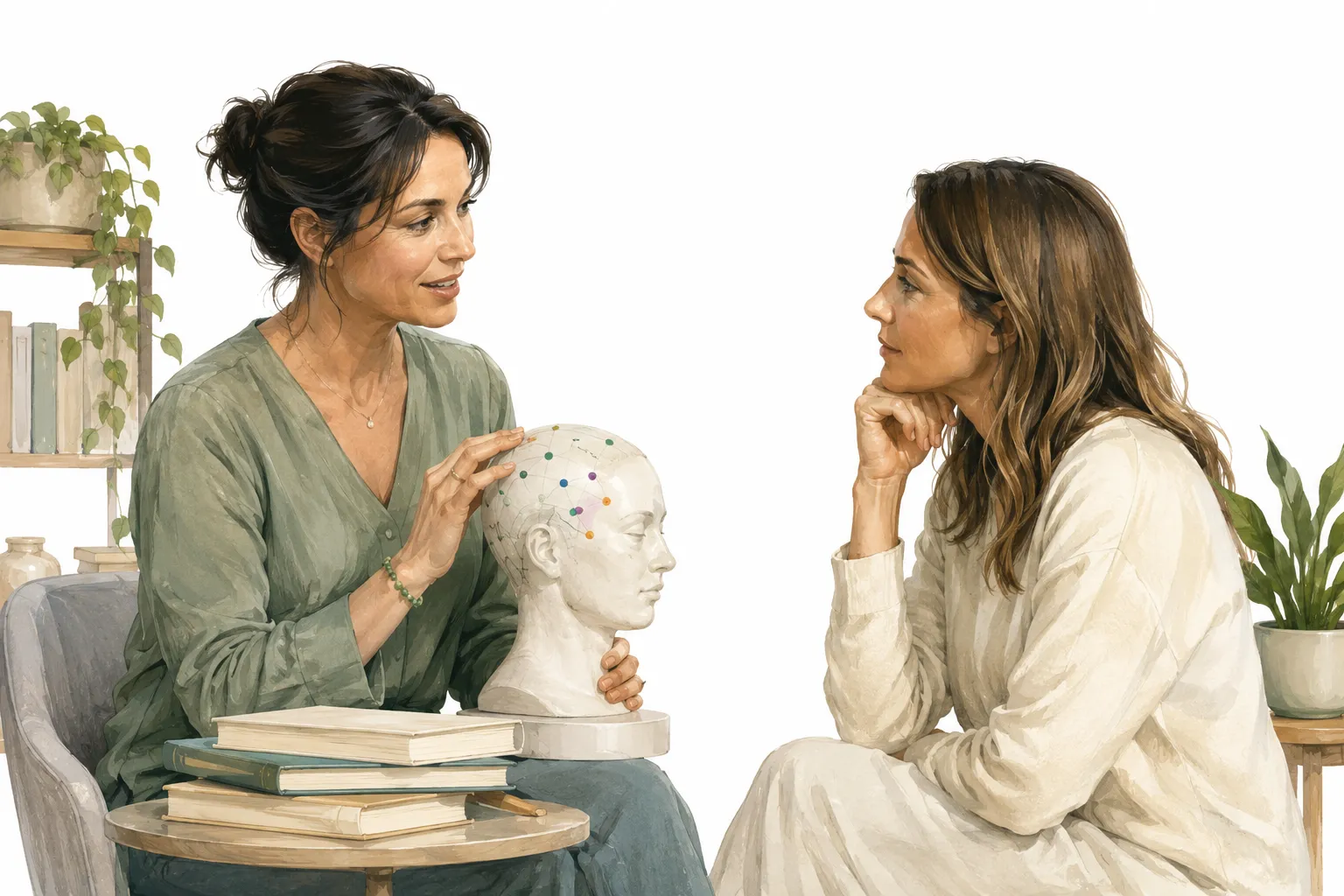
The Joy Bar is a specific point that practitioners are trained to touch during an Access Bars session. Its location is part of a specific head map taught in the Access Consciousness system. The exact coordinates are part of the hands-on training.
The name distinguishes this point from other Bars like the Money Bar or the Control Bar. Each point is associated with a different theme, and the Joy Bar is focused on the capacity for joy and the thoughts and feelings a person has about it.
Joy Bar
Joy Bar
In Access Consciousness, this point is said to be associated with a person's capacity to experience and receive joy. It is about the ability to allow joy into one's life without guilt, resistance, or limitation.
The role of this Bar in a session is to help "clear" or "release" the stored patterns that block joy. The idea is that by holding this point, a practitioner can help a person let go of limiting beliefs and feel more open and receptive to joy.
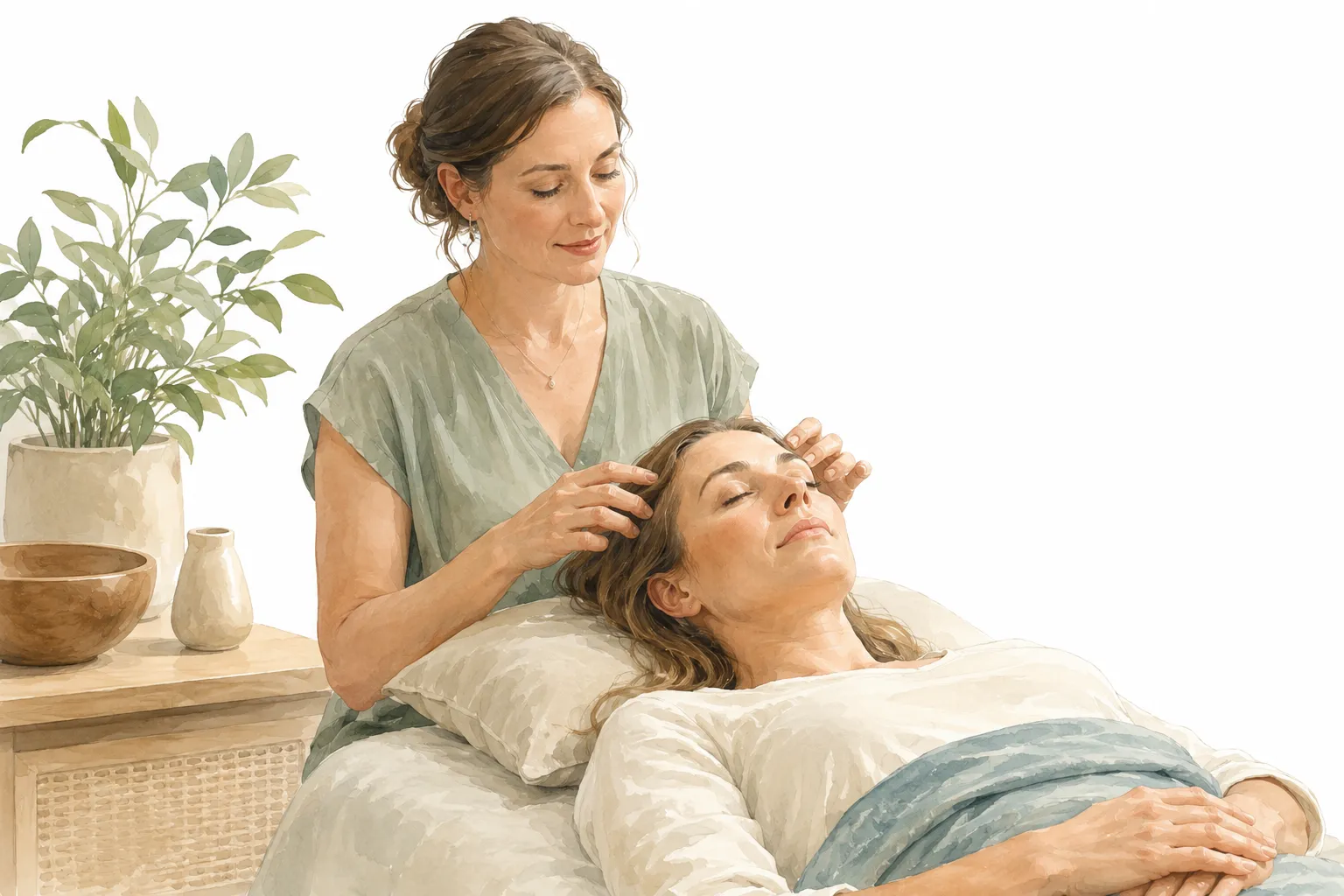
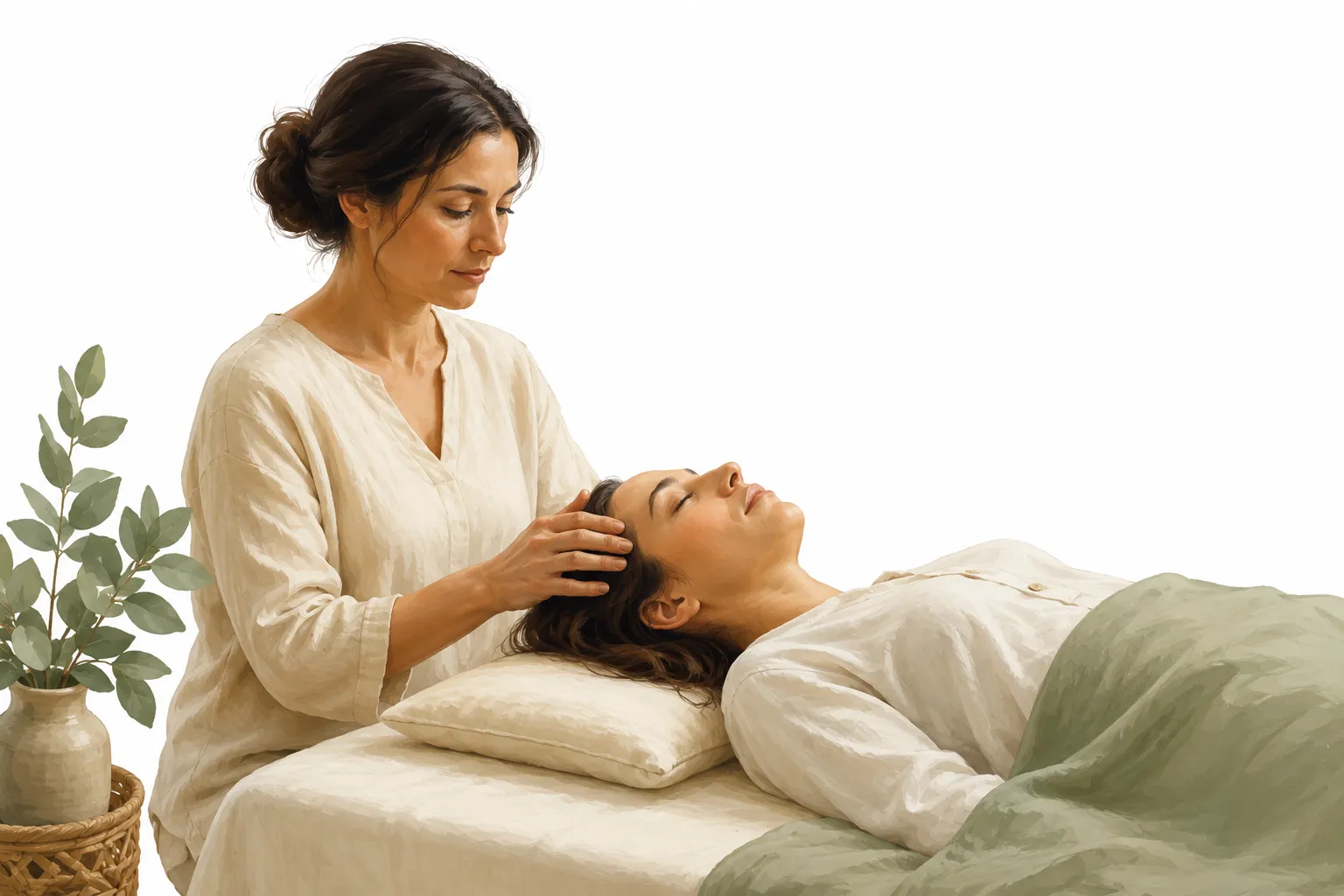
The Joy Bar is typically touched or held as part of a full Access Bars session, alongside the other Bars. The practitioner may hold multiple points simultaneously.
Within Access Consciousness, the Joy Bar is a meaningful tool for exploring one's relationship with joy. However, its effects are subjective and should not be equated with a scientifically proven treatment for clinical depression or anhedonia.
How practitioners and participants describe the Joy Bar
- Practitioner
Practitioners may describe the Joy Bar as a helpful point for people who feel joy is hard to come by, who feel guilty about experiencing joy, or who have a general sense of dissatisfaction. They suggest it can bring a sense of lightness and openness.
- Participant
Participants might report a feeling of lightness, more ease in allowing themselves to be happy, or a new perspective on what blocks their joy after a session. They may feel more open to positive experiences.
- Balanced view
These subjective reports are valuable to the individuals who experience them, but they are influenced by many factors. The relaxing setting, the attention, and personal expectations can all contribute to a positive experience.
- Evidence view
There is no scientific evidence to support the specific mechanism of the Joy Bar or its ability to increase a person's capacity for joy beyond the general effects of relaxation and focused attention.
The Joy Bar is not a treatment for depression or other mental health conditions that affect a person's ability to experience joy. Professional psychological support is essential for such conditions.
Reality check
Common misunderstandings about the Joy Bar
- Myth
The Joy Bar can cure depression.
RealityAccess Consciousness does not claim this. The Joy Bar is about addressing mental and emotional beliefs, not treating clinical depression.
- Myth
Touching the Joy Bar guarantees you will feel joyful.
RealityEffects are subjective and vary greatly from person to person. No guarantees are offered or scientifically supported.
- Myth
The Joy Bar is a proven therapy for anhedonia.
RealityIt is a complementary wellness tool, not a substitute for professional medical or psychological care for anhedonia or depression.
What to remember about the Joy Bar
The Joy Bar is one of the 32 Access Bars points.
It is associated with the theme of joy and the capacity to receive it.
Practitioners hold this point using light touch.
Some people report a feeling of lightness or a new perspective on joy.
These are subjective experiences, not scientific proof.
It is not a substitute for professional mental health care.
Verdict
Our evidence-based verdict on the Joy Bar
insufficient-evidence
The Joy Bar is a conceptual point in the Access Bars system, associated with the theme of joy. Some participants find it to be a relaxing and thought-provoking experience. However, there is no scientific evidence to support a specific mechanism for this point or its ability to increase a person's capacity for joy.
What we know
- The Joy Bar is a defined point in Access Bars training.
- Practitioners touch it as part of a full session.
- It is associated with the theme of joy in Access Consciousness.
- The practice involves gentle touch and a focused, quiet setting.
What we do not know
- Whether there is a distinct "joy" pattern stored at a specific head point.
- Whether touching this point produces effects different from general relaxation.
- Whether it can reliably increase a person's capacity for joy.
If you are interested in Access Bars and the theme of joy resonates with you, it may be a valuable reflective experience. However, it should be approached as a complementary wellness practice, not a proven method for managing depression or anhedonia.
Quick answers
Frequently asked questions
What is the purpose of the Joy Bar in Access Bars?
In Access Consciousness, its purpose is to help release thoughts and patterns that block the experience of joy.
Can the Joy Bar help me if I am feeling consistently sad?
If you are experiencing persistent sadness, it is important to speak with a doctor or mental health professional. Access Bars is not a treatment for depression or other mood disorders.
Do practitioners work on the Joy Bar alone?
No, it is usually part of a full Access Bars session.
Is the Joy Bar a recognized medical point?
No. It is a concept from the Access Consciousness system.
What should I expect when the Joy Bar is held?
You will be lying down and relaxing. You may notice a feeling of relaxation or some personal reflections about your capacity for joy.
Sources
Access Bars Official Information. Access Consciousness. Accessed YYYY-MM-DD
Provides the system's description of the Access Bars points, including the Joy Bar.