A point many people hope will unstick them
Why the Creativity Bar appeals to people who feel stuck
Feeling creatively blocked is a common, often frustrating experience, so it's understandable that a point specifically named for creativity draws attention. Within Access Consciousness, the Creativity Bar is described as one of the 32 named points, generally located near the front of the head, close to the hairline.
Access Consciousness materials describe this point as holding the accumulated judgments, fears, and fixed beliefs a person has about their own creative capacity — including beliefs formed in childhood, past criticism, or simple habits of self-doubt. Touching the point is said to release that stored charge, theoretically making space for new ideas and creative risk-taking.
As with the other named points, this explanation belongs to the internal logic of Access Consciousness rather than to independently confirmed neuroscience. There is no peer-reviewed research establishing that creative capacity is physically stored at this location, or that touching it produces a measurable increase in creative output, originality, or skill.
People who feel more creatively open after a session may genuinely be experiencing something real — reduced stress and quieted self-criticism can absolutely help creative work — but that's a different, more modest claim than the point itself unlocking hidden creative potential.
Skim first
Key takeaways
The shortest useful version of this page.
The Creativity Bar is one of the 32 named Access Bars points, near the front of the head.
It's claimed to hold beliefs and judgments about creative expression.
Touching it is described as releasing that stored charge.
No independent research confirms this mechanism or a measurable creative benefit.
It should never replace actual creative practice or skill-building.
What the Creativity Bar is said to represent
Creativity Bar
Within Access Consciousness, the Creativity Bar is described as the point that holds the electromagnetic charge of every judgment, fear, and fixed belief you've ever had about your own creative capacity.
It is one of the 32 named points touched during a standard Access Bars session, generally located near the front of the head.
The claim describes an internal system logic rather than a demonstrated psychological or biological mechanism. Any reported increase in creative openness after a session is more plausibly explained by reduced stress, quieted self-criticism, and the simple effect of pausing to rest than by a verified point-specific release.
In practice
What happens when the Creativity Bar is touched?
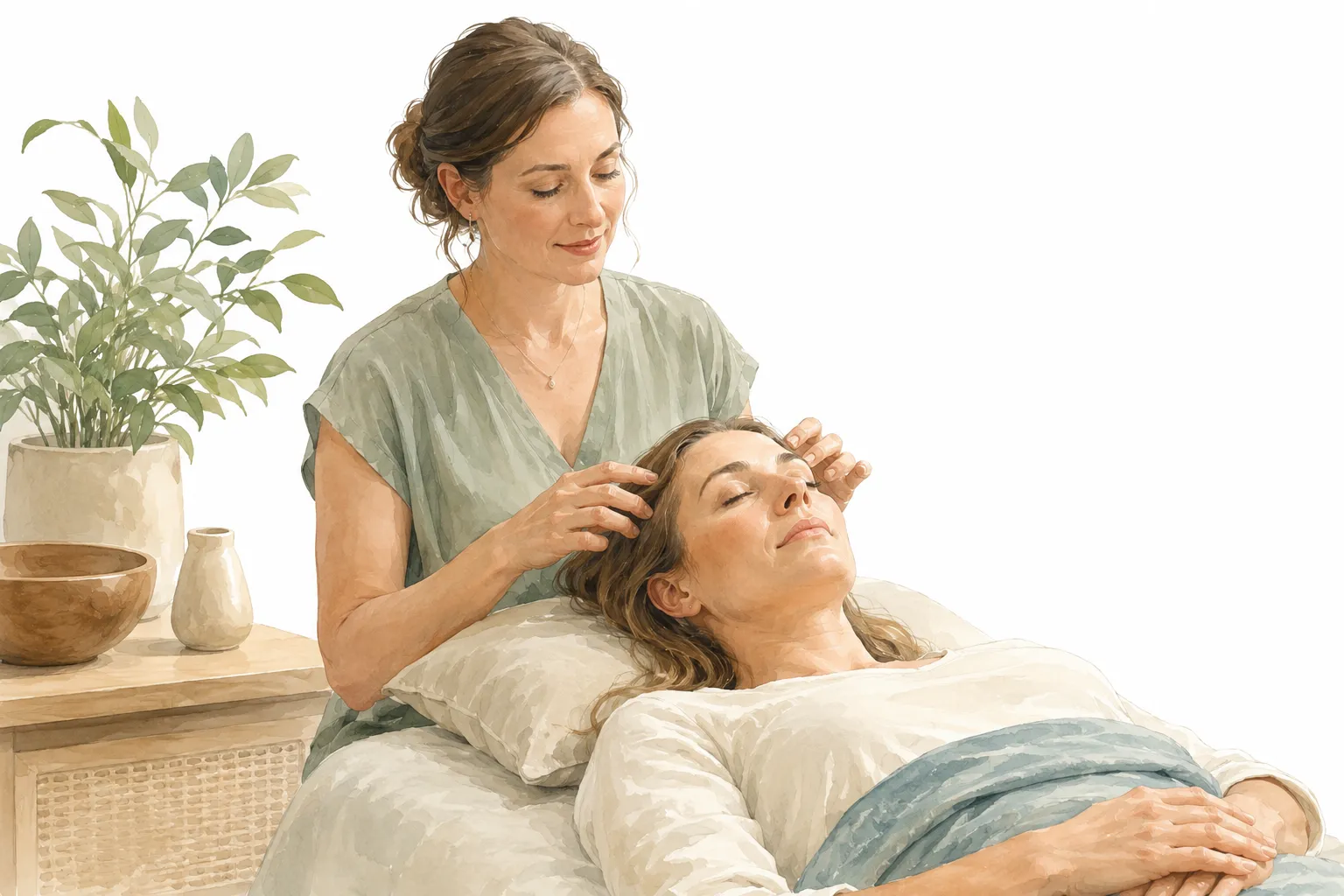
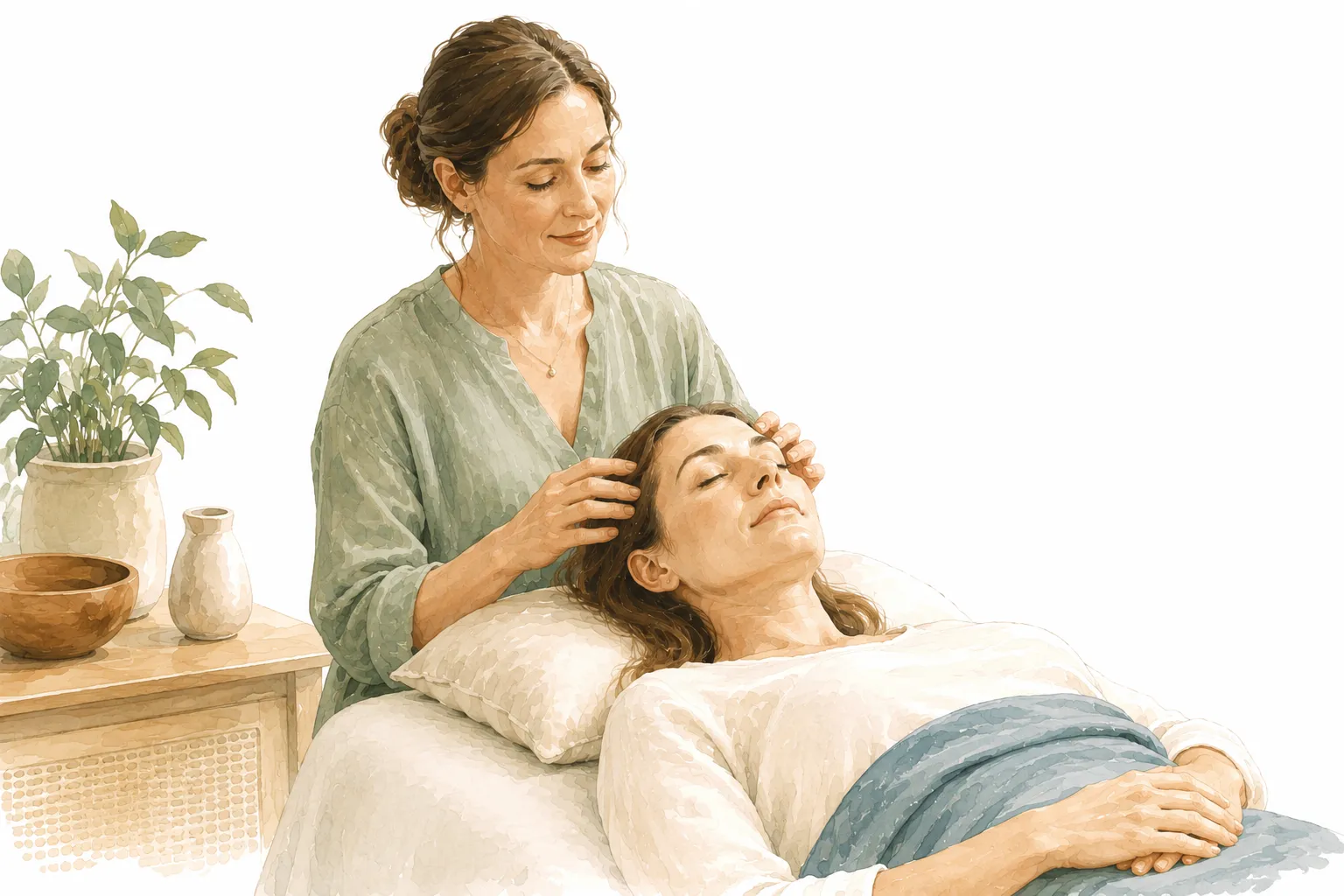
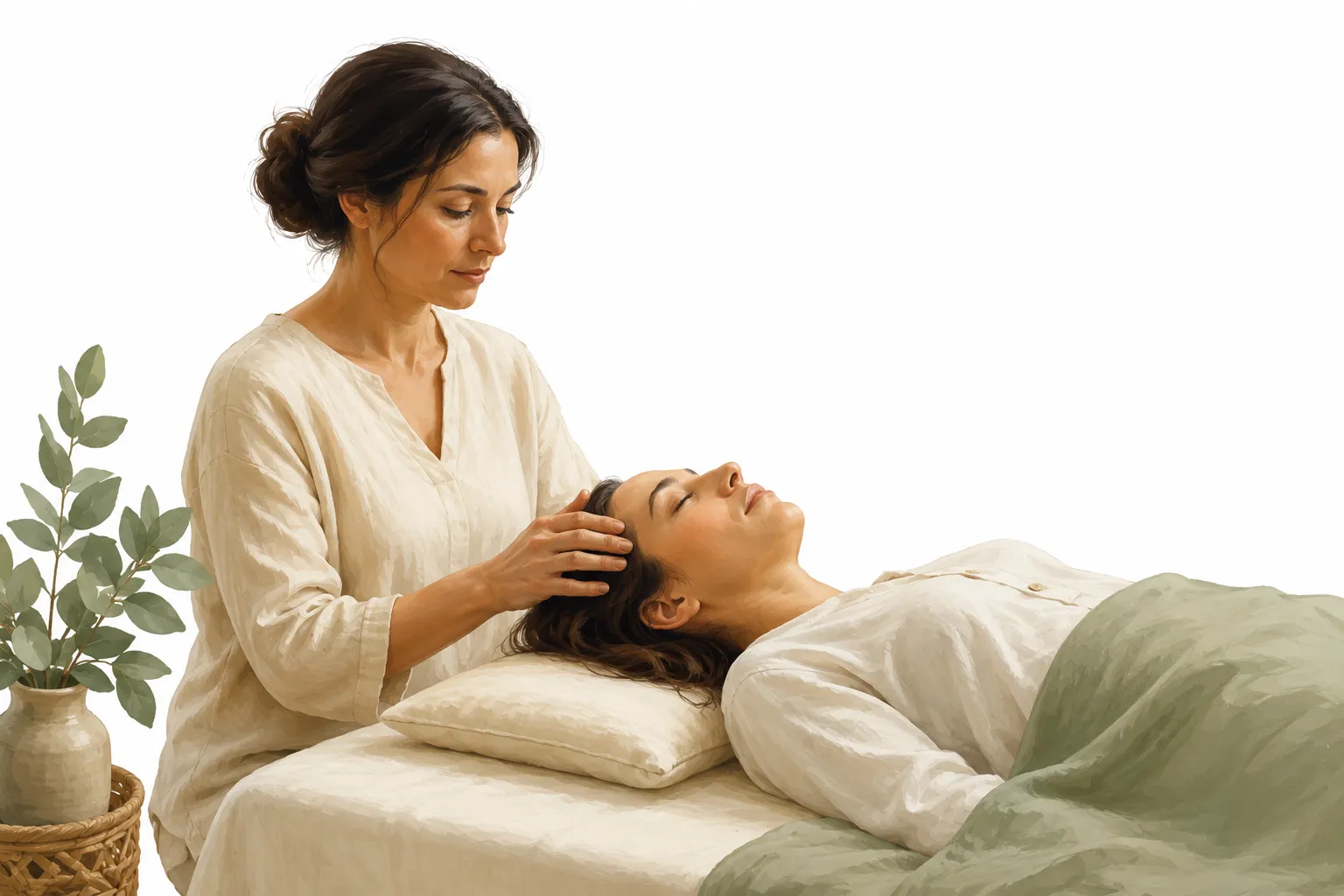
During a session, the practitioner locates the point near the front of the head and holds it lightly, often in combination with nearby points such as Communication, since the two themes are frequently discussed together in Access Consciousness materials.
Some practitioners ask beforehand whether a person is working through a specific creative block, and may spend more attention on this point if so; others simply move through the full sequence of points regardless of the topic.
Reactions vary widely: some people describe a sense of mental openness or reduced self-judgment afterward, others notice nothing specific to creativity, and some simply feel generally relaxed without attributing any particular effect to this point.
How is the Creativity Bar supposed to affect creative blocks?
As with the other named points, there's a claimed system explanation and a more grounded, evidence-based explanation.
Judgments about creativity accumulate over time
Past criticism, comparison, and self-doubt are said to build up as fixed beliefs about one's own creative ability.
Access Consciousness proposes this gets "stored" at the Creativity Bar
The system teaches that the electromagnetic charge of these judgments accumulates at this specific point.
Touching the point is said to release that charge
Practitioners describe this as opening space for new ideas and reduced self-criticism, without guaranteeing a specific creative outcome.
A more conventional explanation
Any resulting sense of openness is more plausibly linked to general stress reduction and quieted self-judgment during rest than to a verified storage-and-release mechanism specific to creativity.
Reality check
Common misunderstandings about the Creativity Bar
- Myth
Touching the Creativity Bar will make you objectively more talented or skilled.
RealityNo evidence supports a direct effect on skill or talent; any reported benefit would more likely relate to reduced self-criticism rather than new ability.
- Myth
Creative block always has a single, releasable cause.
RealityCreative block is typically influenced by many factors — habit, fatigue, fear of judgment, unclear goals — that a single touch point is unlikely to address on its own.
- Myth
If you don't produce new ideas right after a session, the Creativity Bar didn't work.
RealityPractitioners generally describe a wide range of normal responses, and creative output isn't presented as an immediate or guaranteed result.
Evidence scan
What does the evidence say?
There's a meaningful difference between evidence that people feel relaxed during a session and evidence that a specific point changes creative capacity or output.
Overall: not enough evidence
Unclear or mixed
Not clearly for or against
Reduced stress and relaxation can support creative thinking generally.
Broader psychological research supports a link between reduced stress and improved creative problem-solving, though this is not specific evidence for the Creativity Bar itself.
Leans against
Points that do not support the claim
Touching the Creativity Bar releases blocks to creative expression.
This is a claim internal to Access Consciousness training materials; no independent research has tested or confirmed it.
Access Bars sessions produce measurable increases in creative output or originality.
No published research currently establishes this specific link.
What to remember
The Creativity Bar sits near the front of the head, close to the hairline.
It's claimed to hold beliefs and judgments about creative expression.
Touching it is described as releasing that stored charge.
No independent evidence confirms the mechanism or a measurable effect on creative output.
It should never replace actual creative practice or professional support for creative work.
Verdict
Our evidence-based verdict
insufficient-evidence
The Creativity Bar is a genuine, consistently located point within the Access Bars system. Its claimed ability to release creative blocks is a system-internal claim without independent scientific support, though general relaxation is plausibly linked to improved creative thinking.
What we know
- The point sits near the front of the head and is part of the standard 32-point Access Bars sequence.
- Broader research links reduced stress to improved creative problem-solving in general.
What we do not know
- Whether this specific location has any distinct physiological role.
- Whether touching it produces any measurable effect on creativity beyond general relaxation.
Approach the Creativity Bar as part of a relaxing complementary session that might help you feel less self-critical, not as a verified shortcut to creative breakthroughs.
Bottom line
Relaxation can help creativity; a single point probably isn't the whole story
It's genuinely plausible that feeling calmer and less self-critical supports creative work. It's a bigger leap to credit that entirely to one named point on the head.
Quick answers
Frequently asked questions
What is the Creativity Bar in Access Bars?
It's one of the 32 named points, generally located near the front of the head, said to hold beliefs and judgments about creative expression.
Does touching the Creativity Bar make you more talented?
There's no independent evidence that it does; any reported benefit likely relates to reduced self-criticism and relaxation rather than a verified creative mechanism.
Is the Creativity Bar the same as a pressure point in massage therapy?
No, it's specific to the Access Bars system and isn't recognized in massage therapy or medicine generally.
Can Access Bars replace practicing a creative skill?
No. It should be treated as an optional complementary wellness practice, not a substitute for creative practice or professional coaching.
Is the Creativity Bar touched alone or with other points?
It's commonly touched alongside nearby points such as Communication rather than in isolation.
Sources
Access Bars: A Life-Changing Holistic Technique. Access Possibilities. Accessed 2026-07-17
Used to confirm Creativity as one of the commonly cited named themes.
REPLACE WITH VERIFIED OFFICIAL ACCESS CONSCIOUSNESS DESCRIPTION OF THE CREATIVITY BAR. Access Consciousness. Accessed 2026-07-17
Use for the organization's own description of this specific point.
REPLACE WITH VERIFIED RESEARCH ON STRESS AND CREATIVE PROBLEM-SOLVING. REPLACE WITH VERIFIED JOURNAL. Accessed 2026-07-17
Use to support the general claim linking relaxation and creative thinking.