The training pathway
How to become an Access Bars practitioner
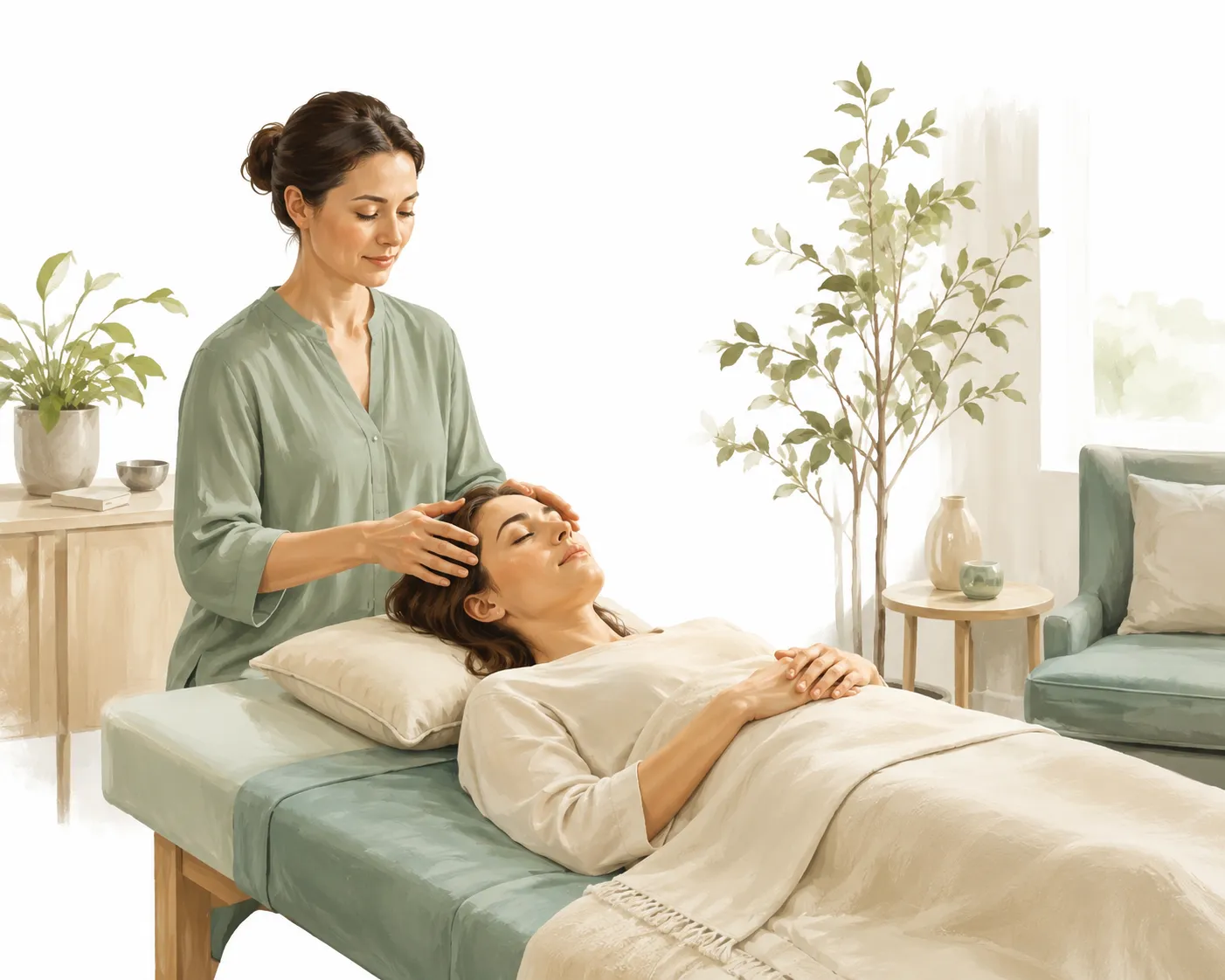
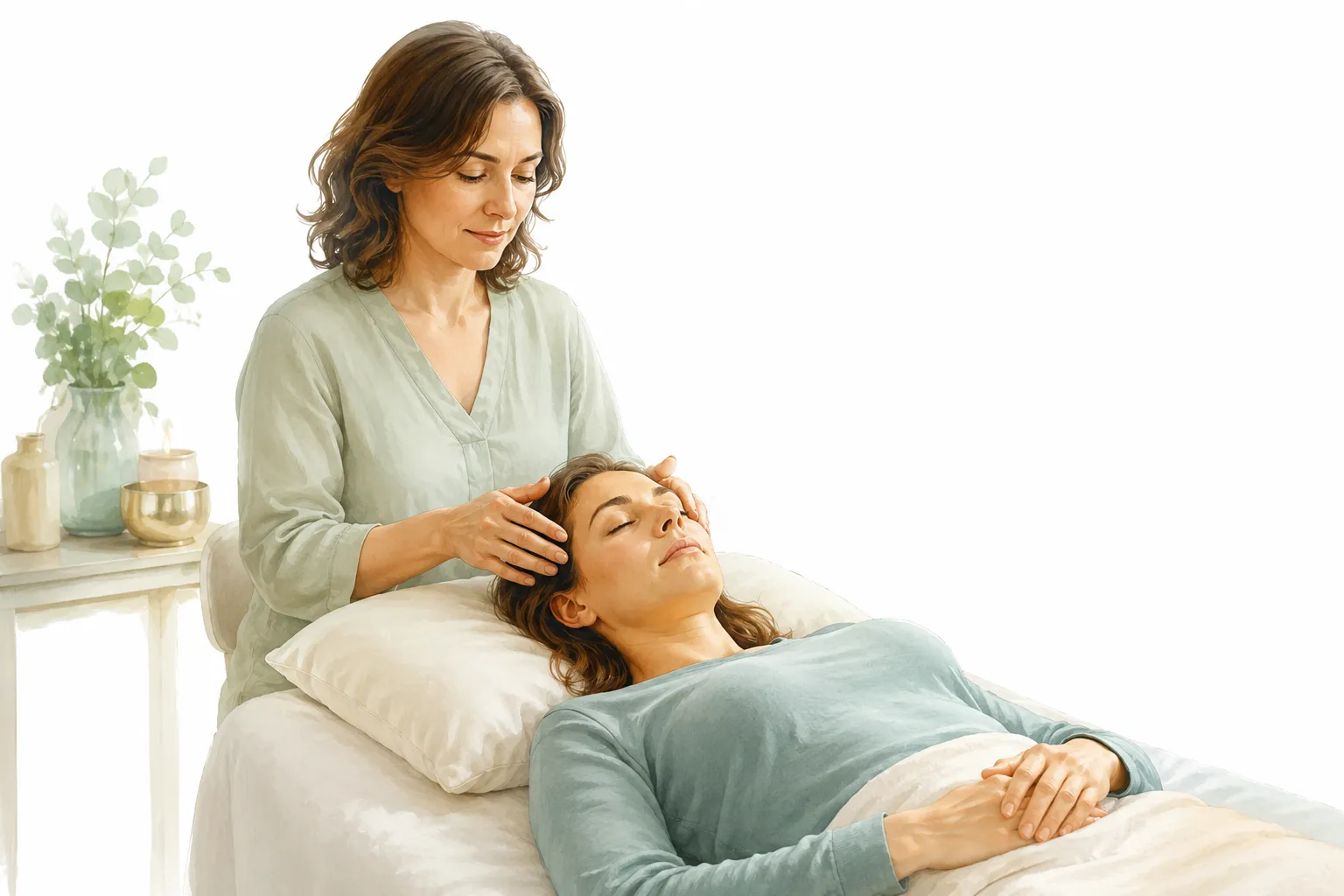
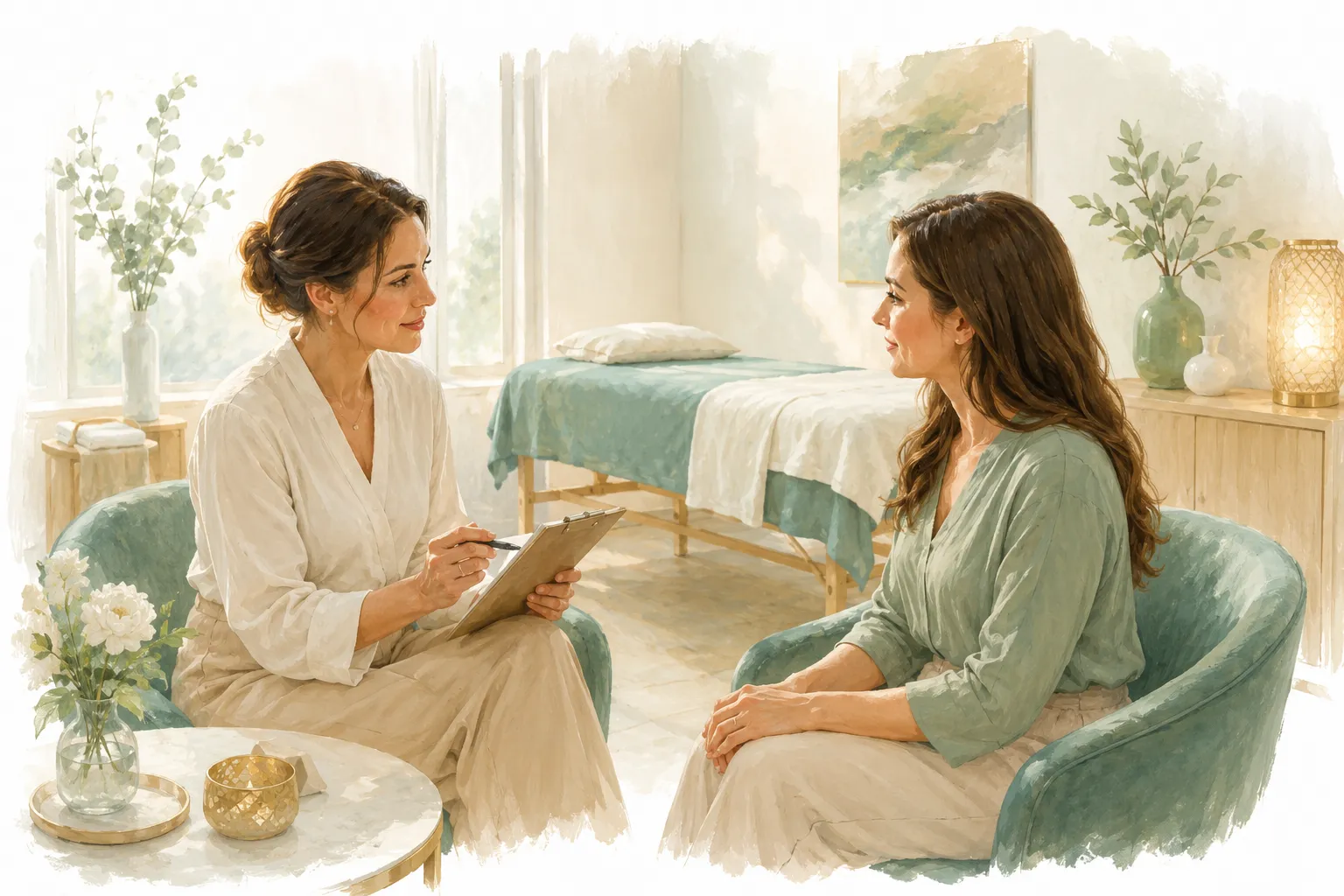
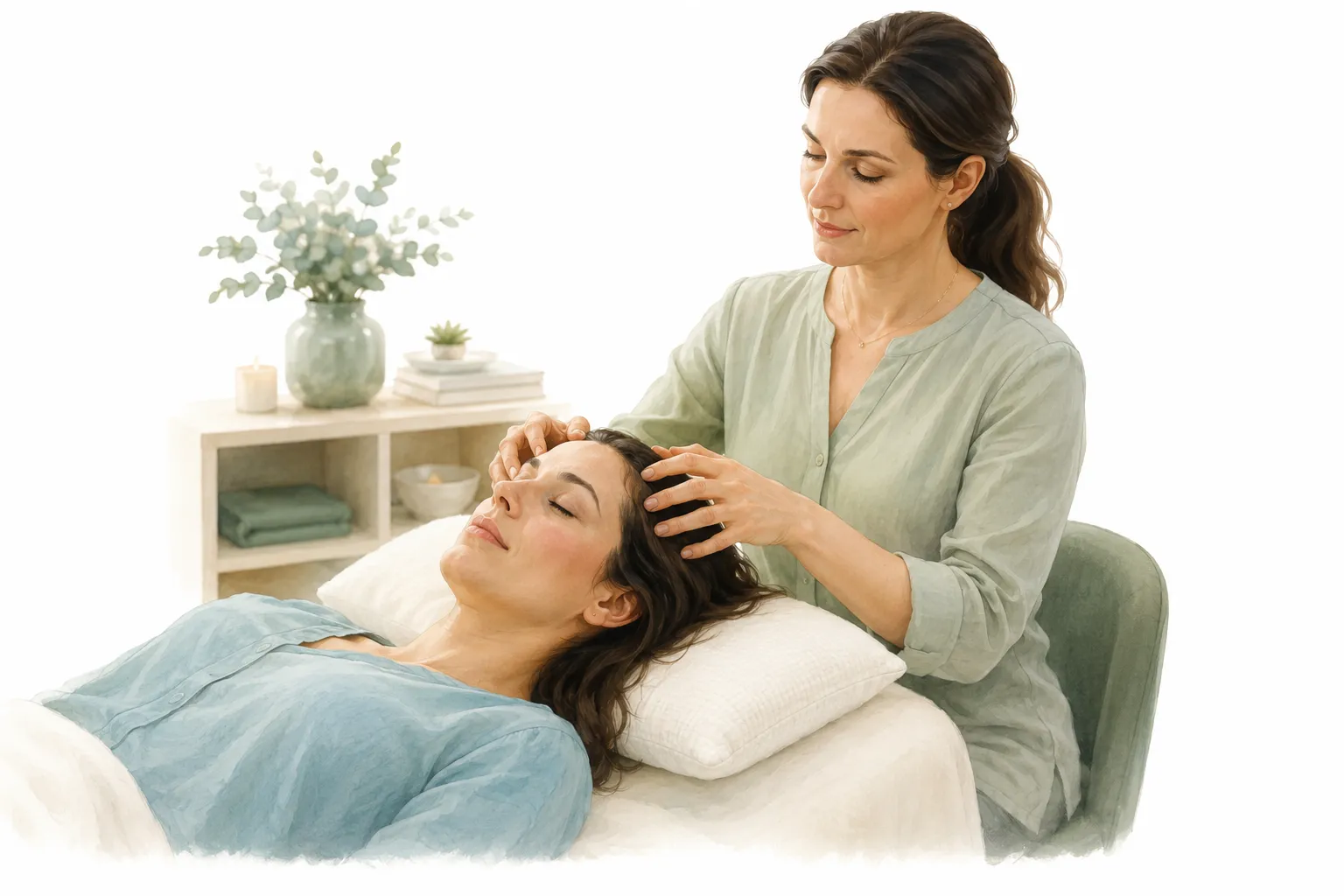
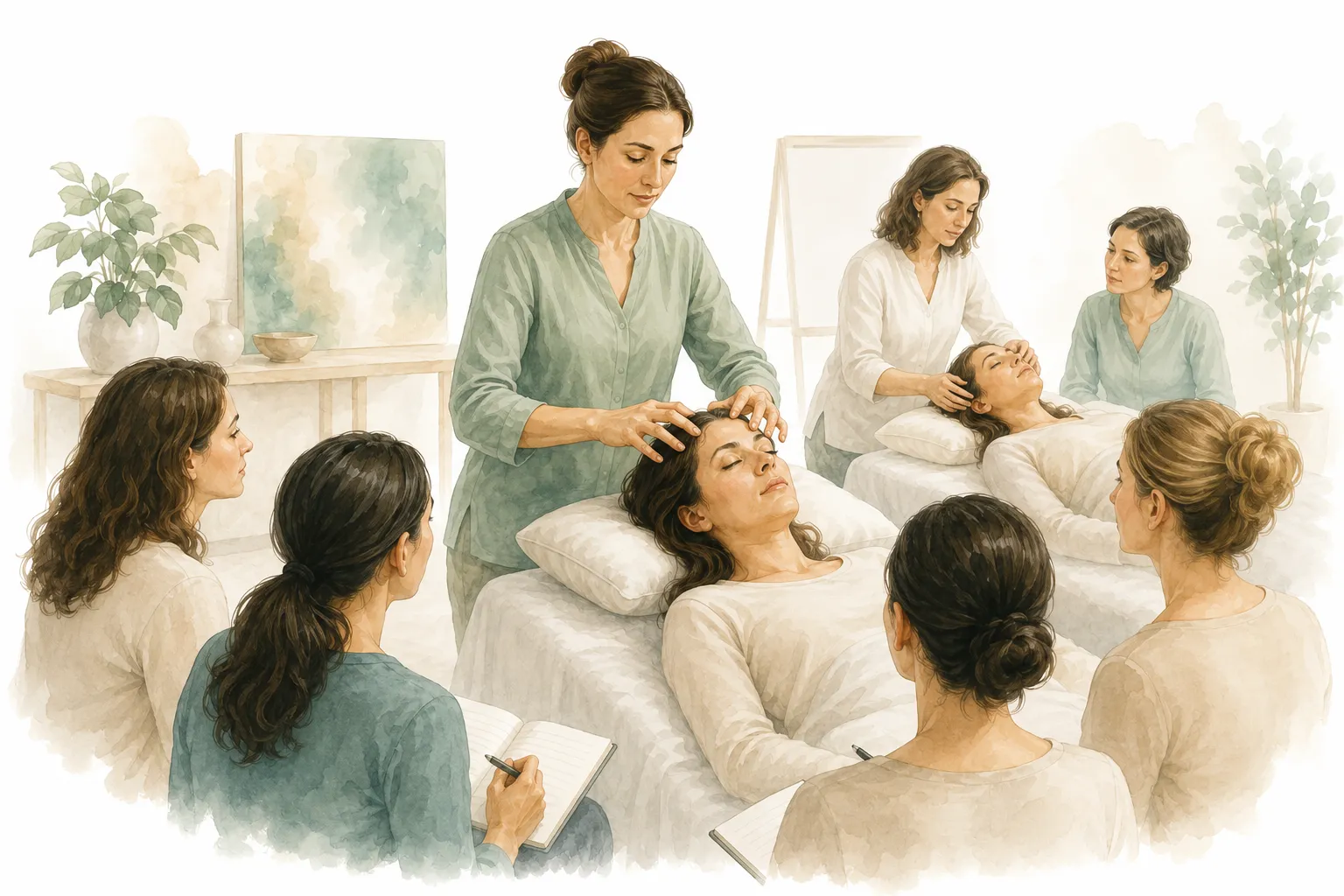
Learning Access Bars therapy is surprisingly quick. The standard training is a one-day course led by a certified facilitator. You'll learn the locations and meanings of the 32 points, practice giving and receiving sessions, and receive a certificate at the end.
The training is described as combining theoretical knowledge with hands-on practice. A typical day includes instruction on the point locations, the meanings assigned to each point, and practical exercises where you practice on other participants and receive practice sessions yourself. As one training description puts it, the course offers "two wonderful, relaxing, stress-relieving body processes" and provides "clarity and insightful tools for leading and changing your own life" [citation:6].
The course is open to anyone. There are no formal entry requirements. Some providers specifically advertise that the program "operates on an open enrollment basis, and there are no specific entry requirements. Individuals with a genuine interest in the subject matter are welcome to participate" [citation:8].
However, it's important to understand the limitations. The certification is not accredited by a recognized academic awarding body. One provider explicitly notes: "this program is not intended to replace or serve as an equivalent to obtaining a formal degree or diploma. It should be noted that this course is not accredited by a recognised awarding body or regulated by an authorised institution/body" [citation:8].
The most straightforward path is to book directly with an Access Consciousness certified facilitator, who will teach the official curriculum and provide a certificate recognized within the Access network.
Skim first
Key takeaways
The shortest useful version of this page.
Access Bars training is a one-day course (approximately 8 hours) with no entry requirements [citation:6][citation:8].
Cost ranges from approximately €90 to €440 depending on provider and location.
You'll learn the 32 points, the session technique, and practice giving and receiving sessions.
The certificate is a record of attendance and completion, not a formal academic qualification.
It is not accredited by recognized awarding bodies or regulated institutions [citation:8].
It is recognized only within the Access Consciousness network [citation:3].
Research local regulations and insurance requirements if you plan to practice professionally.
The Access Bars training pathway explained
Unlike many professional therapies, Access Bars can be learned in a single day. Here's what the training pathway typically involves.
1. Find a certified facilitator
Look for a practitioner trained and licensed through Access Consciousness. These facilitators are authorized to teach the official curriculum [citation:3].
No prior qualifications needed.
2. Book a one-day course
Register for an in-person training day. The course combines theoretical learning with practical hands-on practice [citation:6].
Approximately €220-€440, depending on location and provider [citation:6] · 1 day (approximately 8 hours)3. Learn the 32 points
You'll be taught the locations of the 32 points on the head and the life themes each point is associated with, such as healing, control, creativity, and awareness [citation:2][citation:5][citation:8].
4. Practice giving and receiving sessions
You'll practice the session technique on other participants and receive practice sessions yourself. This is the core of the training [citation:6].
Open-mindedness and willingness to participate.
5. Receive your certificate
Upon completion, you'll receive a certificate of attendance. This qualifies you to offer Access Bars sessions to clients.
Full attendance is typically required.
6. Consider further training (optional)
Some providers offer postgraduate certificates or deeper courses. However, these are not accredited by recognized academic bodies [citation:8].
Approximately €90-£140 for optional postgraduate certificates [citation:8] · 1 to 2 months for some online options [citation:8]
The curriculum
What does Access Bars training actually cover?
A one-day Access Bars course is designed to teach you everything you need to know to offer sessions to clients. The curriculum typically includes:
The locations of the 32 points: You'll learn exactly where each point is on the head. Each point is said to correspond to a different aspect of life, including healing, body, control, awareness, creativity, power, aging, sexuality, and money [citation:3][citation:5][citation:10].
The session technique: You'll learn how to run a full Access Bars session from start to finish, including how to position the recipient, how to touch each point, and how to create a relaxing environment [citation:3].
Hands-on practice: You'll practice giving sessions on other participants and receiving sessions yourself. This is considered essential to the learning process [citation:6].
The underlying philosophy: The training also covers the Access Consciousness perspective on consciousness, energy, and personal transformation [citation:2][citation:5].
Course descriptions emphasize both the practical skills and the personal benefits. One provider explains that students will "gain a deeper understanding of Access Bars and its applications" and "develop practical skills in the manipulation of the Access Points" [citation:2][citation:8].
How much does Access Bars training cost?
Training costs vary significantly depending on the provider, location, and format. Here is a typical range.
| Standard one-day certification course (in-person) | €220-€440 | A typical course in Finland, for example, is listed at €380 [citation:6]. Prices vary by country and facilitator. |
|---|---|---|
| Postgraduate Certificate in Access Bars Therapy | £90-£140 (approximately €100-€165) | Some private organizations offer these additional certificates, typically online. However, they are not accredited by recognized awarding bodies [citation:8]. |
| Length options for postgraduate courses | 1 month (accelerated) to 2 months (standard) | These are typically self-paced online options [citation:8]. |
| Travel and materials | Varies | In-person courses may require travel to the training venue. Materials are usually included in the course fee. |
- Location and country (training costs vary significantly between regions)
- Facilitator experience and reputation
- Course format (in-person vs. online)
- Additional materials or resources provided
Who runs Access Bars training?
Gary Douglas
Founder of Access ConsciousnessDeveloped Access Bars in the early 1990s and remains the central figure in the Access Consciousness organization [citation:5][citation:14].
Dr. Dain Heer
Co-founder and co-creatorBecame a co-founder and leading representative of Access Consciousness, working alongside Gary Douglas to develop the system [citation:5].
Access Consciousness
The parent organizationAccess Bars is the foundation practice of Access Consciousness. Training is administered through certified facilitators who are licensed by the organization [citation:3][citation:5].
What do practitioners say about the training?
- Practitioner
Practitioners who have completed training often describe it as a practical, empowering experience that provides a simple tool for helping others. Some see it as a valuable addition to their existing wellness practice [citation:6].
- Participant
Training participants often report finding the course relaxing and beneficial for themselves as well as for the skills they gain. One participant noted: "The treatments I received during the training helped me to quiet my mind really effectively and the effect lasted for a long time" [citation:6].
- Student
Many students find the one-day format appealing because it is quick, accessible, and hands-on. They appreciate that they can start practicing immediately after the course [citation:6].
- Balanced view
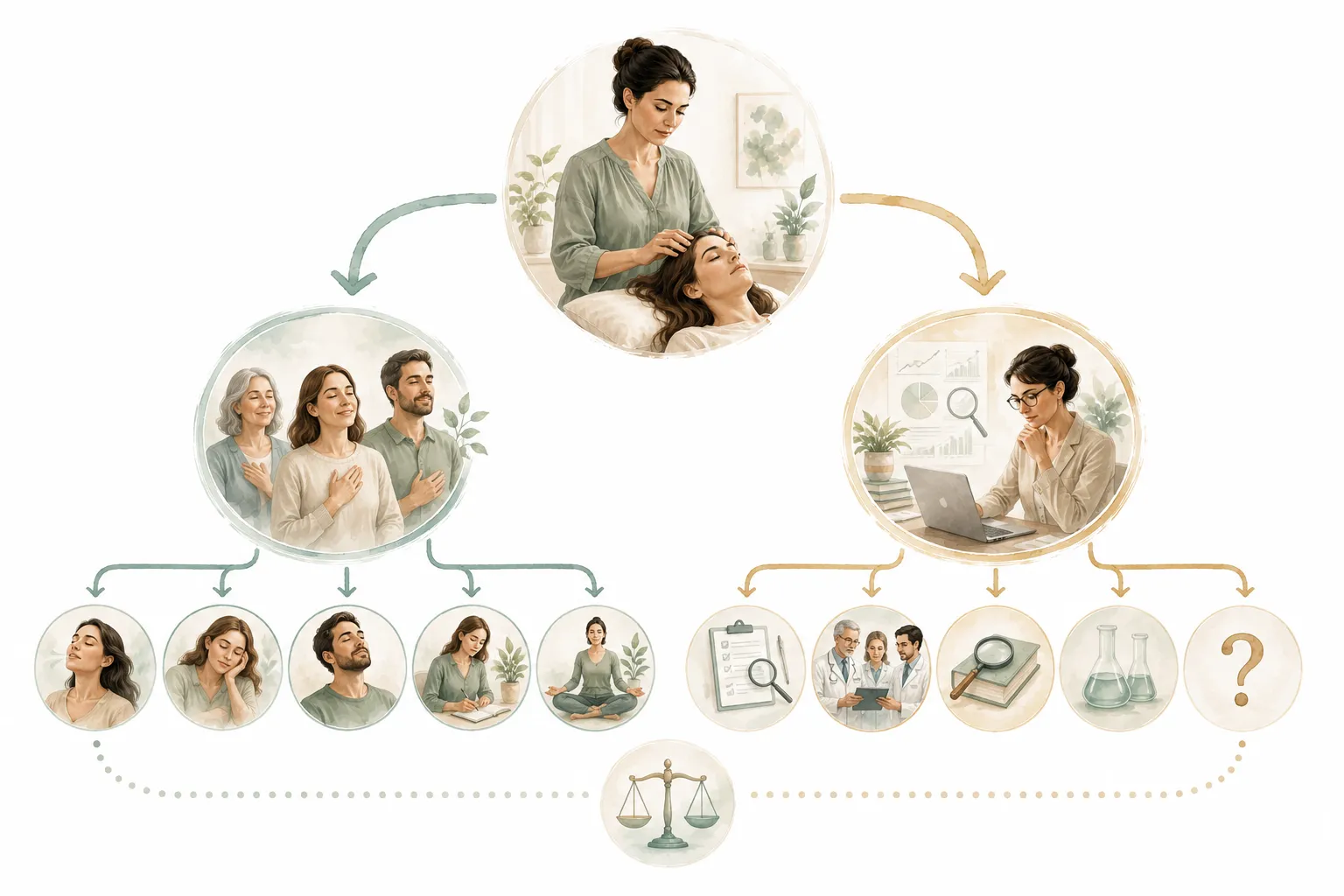
The personal benefits of the training experience can be genuine. Many people enjoy the hands-on practice and the calm atmosphere of the course. However, these positive experiences do not necessarily translate into recognition by formal professional bodies, and the certification should not be mistaken for a formal academic qualification.
- Evidence view
Independent evidence for the training's value comes mainly from testimonials and participant reports. There is no independent accreditation or quality assurance beyond the Access Consciousness network itself.
If you are considering Access Bars training for professional purposes, research your local regulations regarding complementary therapies. The certificate may not be recognized by health insurance providers, professional therapy bodies, or employers without additional qualifications.
Access Bars training compared to other wellness certifications
Length of initial training
One day (approximately 8 hours) [citation:6]
Hundreds to thousands of hours
Entry requirements
None, open enrollment [citation:8]
Often require prior academic qualifications
Accreditation
Not accredited by recognized academic bodies [citation:8]
Accredited by professional or academic bodies
Recognition
Recognized only within Access Consciousness network
Often recognized nationally or internationally
Typical cost
€90-€440 for initial training [citation:6][citation:8]
Much higher, often thousands
Scope of practice
Run Access Bars sessions only
Broad professional scope within the therapy
What to remember about learning Access Bars
Access Bars can be learned in a one-day course (approximately 8 hours) [citation:6].
Courses are open to anyone: no prior qualifications needed [citation:8].
Cost ranges from approximately €90 to €440 depending on provider and location.
You'll learn the 32 points, the session technique, and practice giving and receiving sessions.
The certificate is a record of attendance and completion, not a formal academic qualification [citation:8].
It is not accredited by recognized awarding bodies or regulated institutions.
The training is recognized only within the Access Consciousness network.
If you're considering it for a professional career, research local regulations and insurance requirements.
Verdict
Our evidence-based verdict on Access Bars training
partially-supported
Access Bars training is quick, accessible, and affordable compared to many professional therapy qualifications. However, the resulting certification is not a formal academic qualification, is not accredited by recognized bodies, and is only recognized within the Access Consciousness network.
What we know
- Standard training takes one day (approximately 8 hours) [citation:6].
- Courses are open to all: no prior qualifications required [citation:8].
- You learn the 32 points, session technique, and practice giving and receiving sessions.
- Costs range from approximately €90 to €440.
- A certificate of attendance is provided upon completion.
What we do not know
- Whether the training is subject to external quality assurance (it appears not to be).
- Whether the certification meets any professional regulatory standards.
- What the long-term value of the certification is beyond the Access network.
If you want to learn Access Bars for personal interest or to offer sessions within the Access Consciousness community, the training is accessible and quick. If you are considering it as a professional career pathway, be aware that the qualification is not accredited by recognized bodies and may not be recognized by employers, health insurance providers, or professional therapy registers without additional credentials.
Bottom line
A quick training path with limited external recognition
Access Bars therapy is unusually accessible to learn: just one day of training and you can start practicing. The hands-on approach appeals to many people who want a simple relaxation technique they can share with others. But the certification's lack of external accreditation is a significant limitation. If you're learning for personal enrichment or to work within the Access Consciousness network, the training may be exactly what you're looking for. If you're building a professional therapy career, you'll want to understand what your local regulations and professional bodies require, and the Access Bars certificate on its own may not be enough.
Quick answers
Frequently asked questions
How do I become a certified Access Bars practitioner?
Complete a one-day training course led by a certified Access Consciousness facilitator. You'll learn the 32 points, practice giving and receiving sessions, and receive a certificate of completion [citation:6].
Is Access Bars training accredited?
No. The training is not accredited by a recognized awarding body or regulated by an authorised institution [citation:8].
Can I learn Access Bars online?
Some optional postgraduate certificates are available online over 1 to 2 months [citation:8]. The standard initial certification appears to be primarily in-person.
Do I need any prior qualifications to learn Access Bars?
No. The program operates on open enrollment, and there are no specific entry requirements [citation:8].
How much does an Access Bars course cost?
A one-day course typically costs around €380 in Finland [citation:6]. Other providers list postgraduate certificates at £90-£140 [citation:8]. Prices vary by location.
Sources
Reboot Wellness / City of Tampere. Access Bars class information. Tampereen kaupunki (City of Tampere), 2025-02-14. Accessed 2026-07-17
Official information on an Access Bars training course, including cost (€380), duration (one day), and claimed benefits.
Postgraduate Certificate in Access Bars Therapy. HealthCareCourses. Accessed 2026-07-17
Course listing for a postgraduate certificate (£90-£140). Explicitly notes: "this program is not intended to replace or serve as an equivalent to obtaining a formal degree or diploma... not accredited by a recognised awarding body."
SoulAdvisor. Access Bars therapy description. SoulAdvisor. Accessed 2026-07-17
Professional directory description noting that practitioners should be "trained and licensed through Access Consciousness."
Averina, S.. Access Bars: Освобождение от блоков (book). Yandex Books. Accessed 2026-07-17
Book describing Access Bars origins and the 32 points, including the role of Gary Douglas and Dr. Dain Heer.
Pacheco, M.. CURSO COMPLETO DE BARRA DE ACCESS. Independently published, 2023-12-01. Accessed 2026-07-17
Book describing the complete Access Bars course curriculum, including fundamentals, point locations, and practical session guidance.