From technique to training
Simple to describe, more involved to actually learn
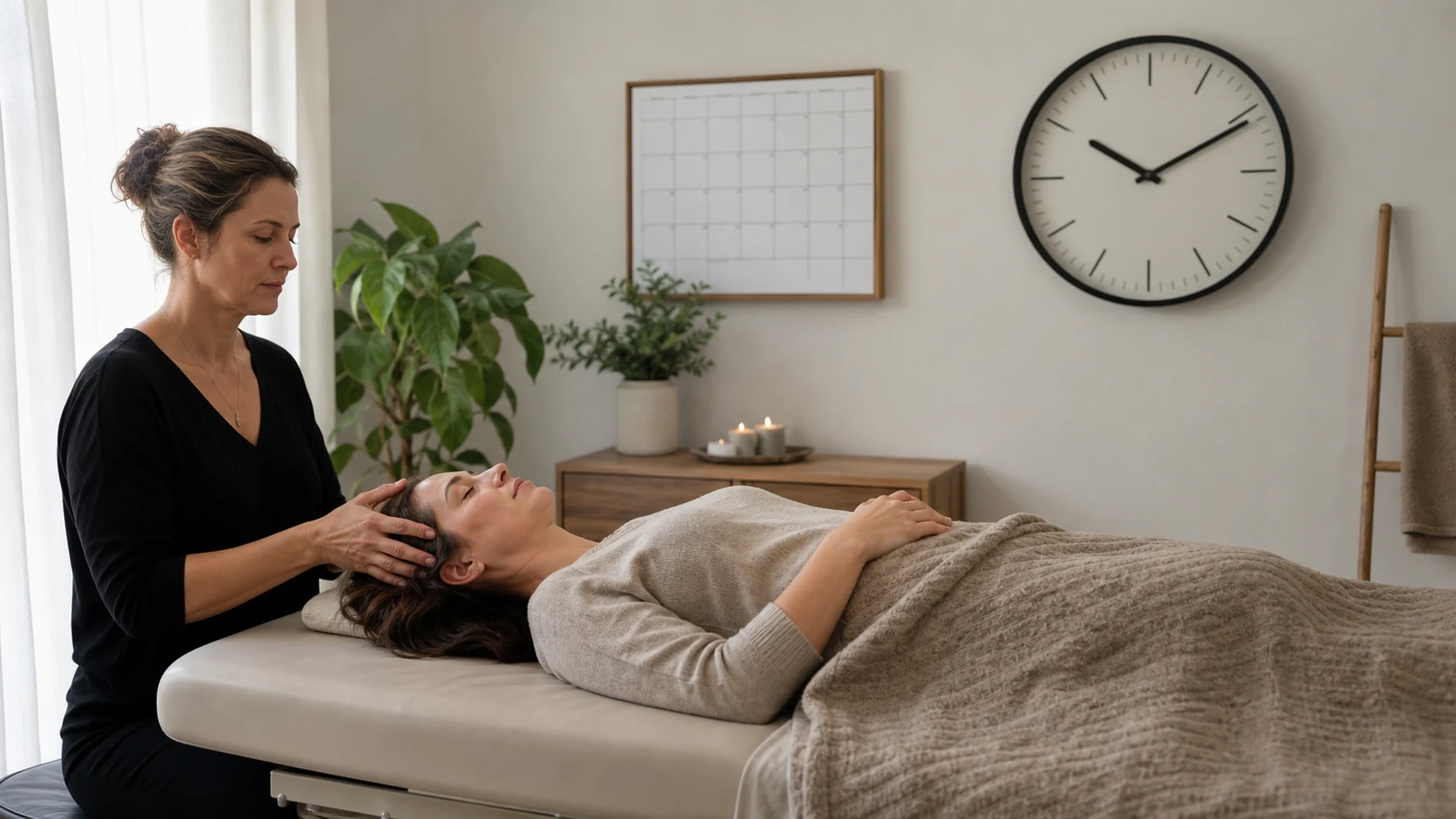
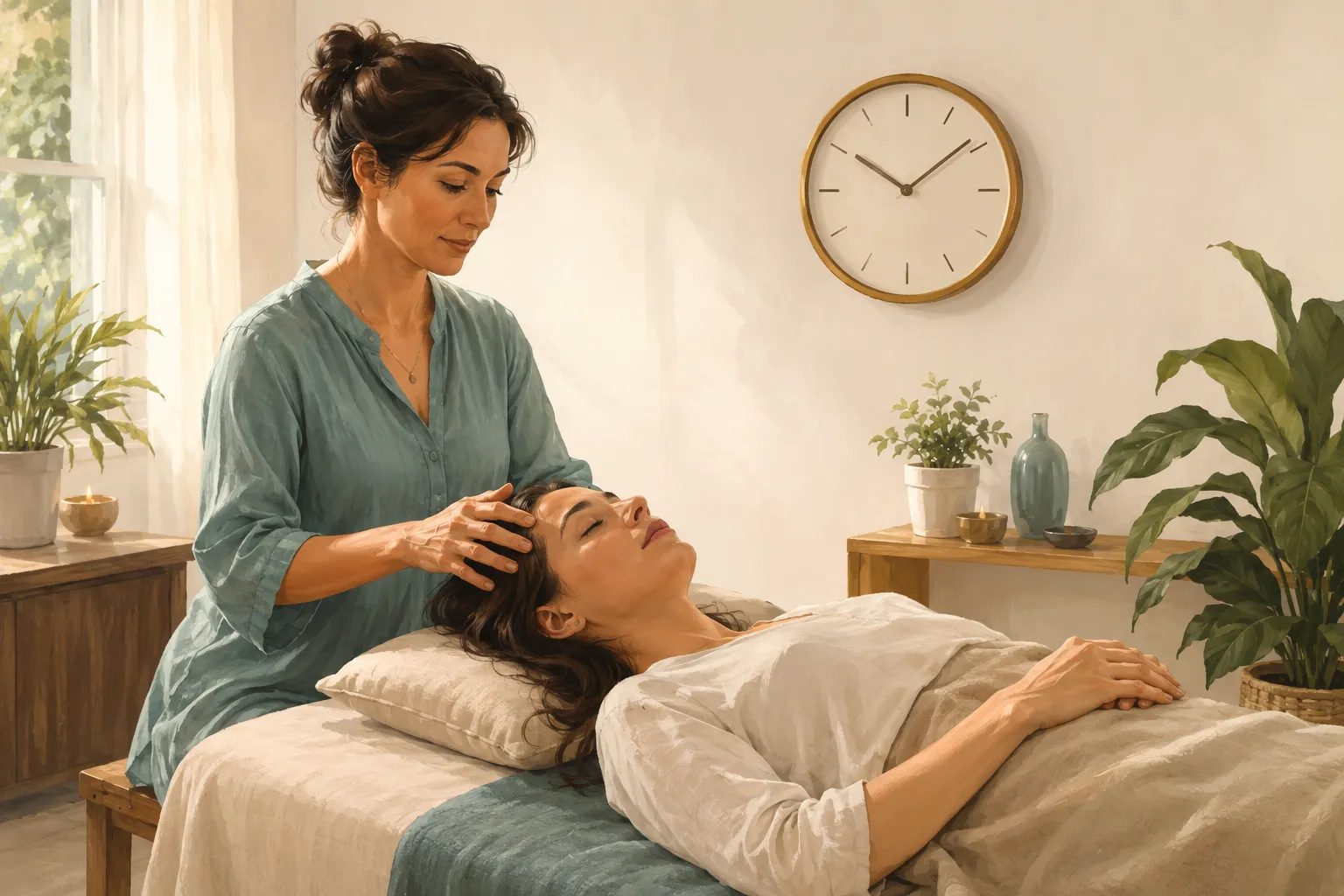
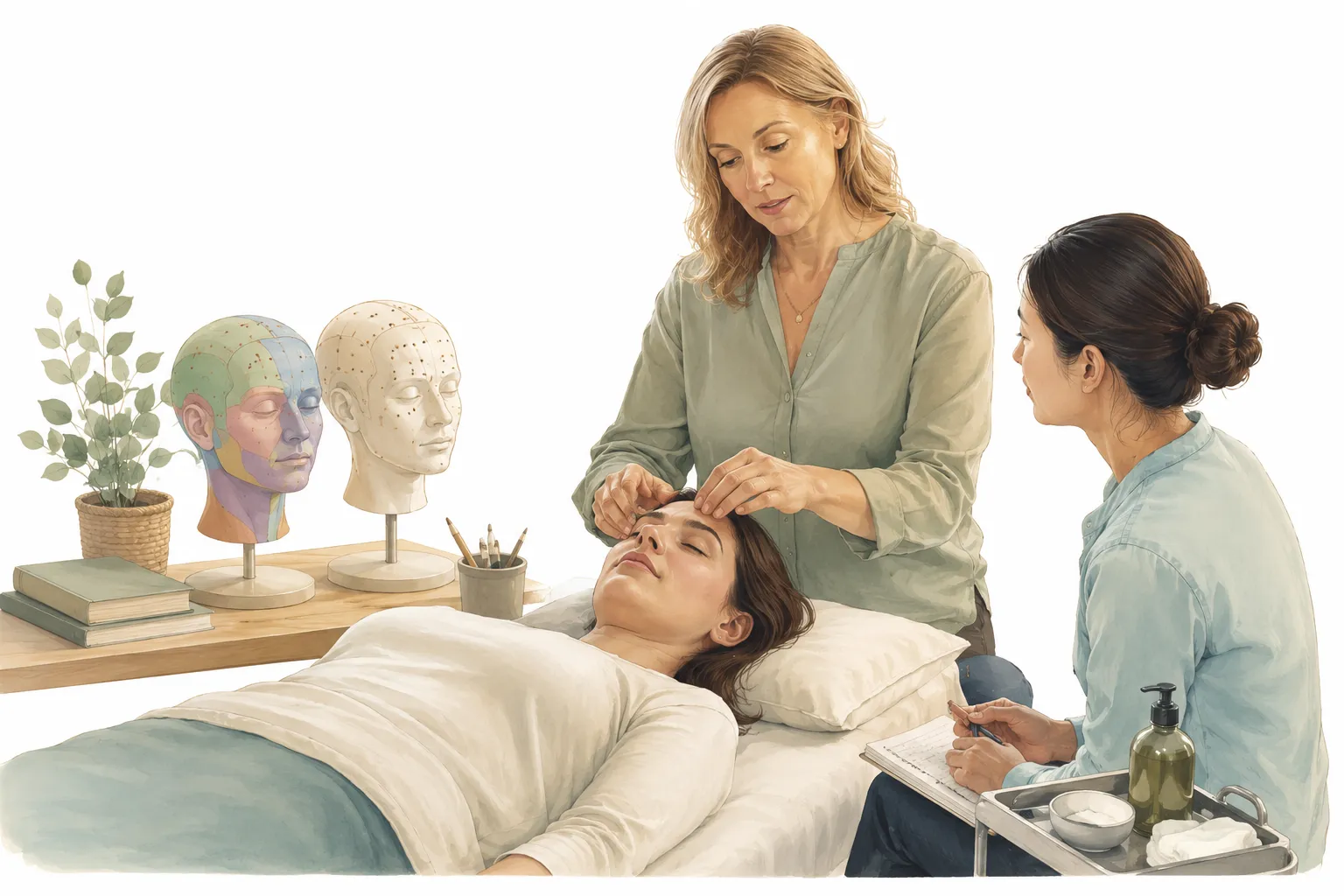
At the level of physical action, Access Bars is straightforward: a practitioner reclines or sits with the recipient, then lightly touches combinations of the 32 head points, holding each briefly before moving through a sequence. No pressure, no manipulation, and generally no music, since some practitioners believe background sound interferes with the process.
Doing this on yourself is possible for a subset of points you can physically reach, but sources consistently describe self-practice as far less effective than receiving a session from someone else , partly because you can't reach and hold every point simultaneously, and partly because part of the described benefit involves simply receiving rather than doing.
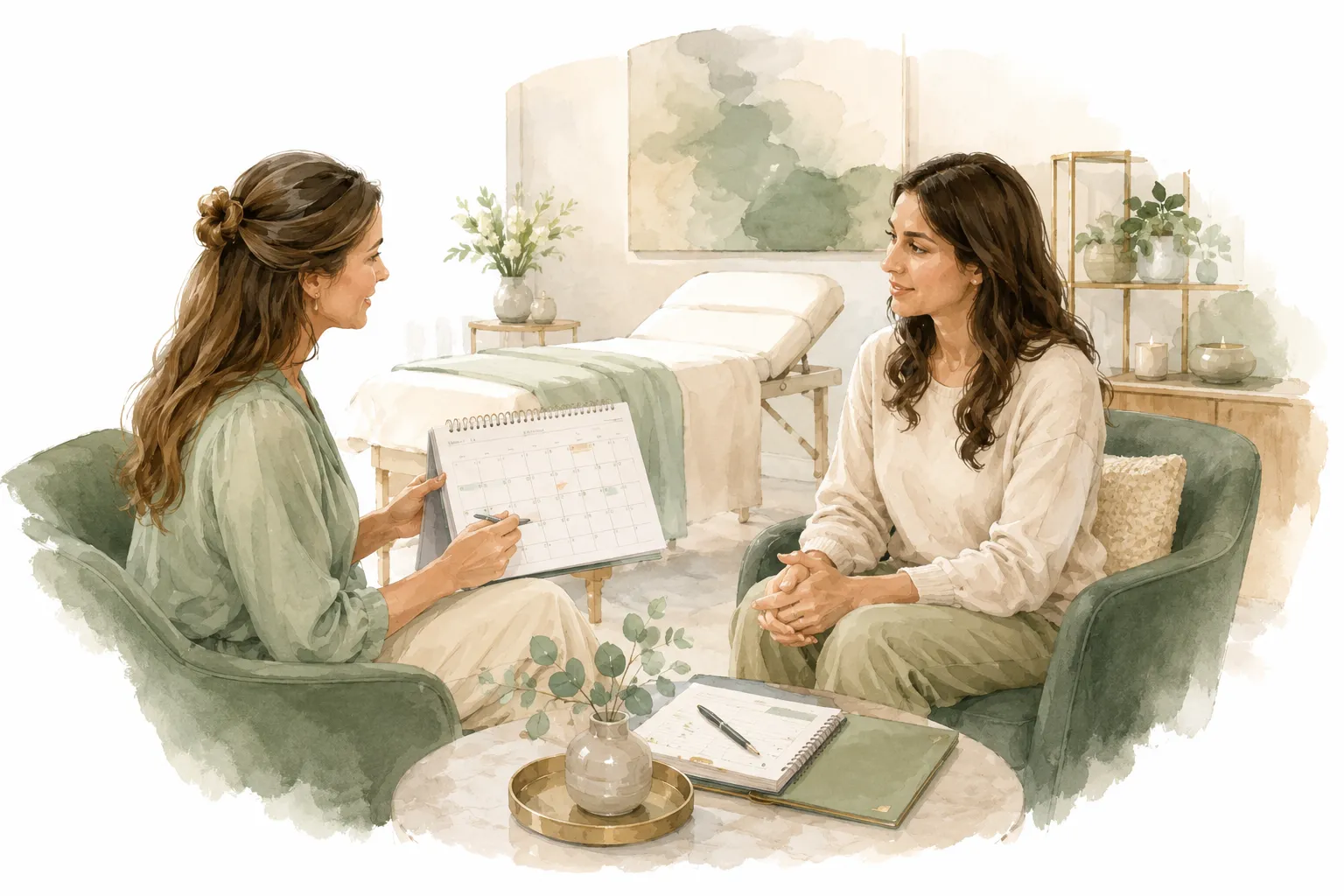
Learning to run a complete, well-sequenced session on someone else is typically taught through a structured, in-person (or partly online) class rather than picked up from a written guide alone. That's a meaningful distinction if your goal is to actually offer sessions to friends, family, or paying clients rather than just understanding what the technique involves.
Skim first
Key takeaways
The shortest useful version of this page.
Access Bars involves light, sustained fingertip touch on designated head points.
Sessions are typically done without crossed hands or background music.
Self-practice is possible for reachable points but considered less effective than receiving a session.
A one-day class is the typical starting point for learning to run full sessions on others.
Full facilitator certification requires classes with three different certified facilitators.
The basic steps of the technique
This describes the general shape of the technique as commonly taught, not a substitute for in-person training.
Get comfortable
The recipient reclines or sits comfortably, fully clothed, typically on a massage table, zero-gravity chair, or any surface that supports the head and neck.
Create a quiet setting
A calm, quiet room is typical; some practitioners avoid background music, believing it interferes with the process.
Locate the points
The practitioner locates combinations of the taught head points, moving through them at an unhurried pace rather than all at once.
Think of it as working down a checklist slowly, pausing at each item rather than rushing through.Hold with light touch
Each point (or pair of points) is held gently with the fingertips, without pressing or massaging.
Avoid crossing your hands
Practitioners are taught to keep their hands uncrossed during the session, a convention within the technique.
Close gently
The session typically ends with a brief pause before the recipient sits up, followed by a short check-in conversation.
Solo practice
Can you do Access Bars on yourself?
Yes, to a point. Some of the head points are reachable with your own hands, and some people do use self-touch as a quick, informal relaxation technique.
That said, sources describing self-practice are consistent that it's considerably less effective than receiving a session from someone else. Part of the reason is mechanical (you can't comfortably reach and hold every combination of points on your own head at once) and part of the described benefit is tied to the experience of simply lying back and receiving, rather than actively doing something yourself.
If you're looking for a full, proper session, most sources point toward trading sessions with a partner, friend, or family member, or booking with a trained practitioner, rather than relying on self-practice alone.
How people learn to run a full session
Running a complete session on someone else is typically taught through a structured class rather than a written guide.
1. Take an introductory Access Bars class
A one-day class, available online or in person, teaches the point locations and basic technique; after this, a person is generally considered qualified to offer sessions informally or professionally.
One day2. Practice on friends or family
Many new practitioners start by trading sessions informally to build comfort and familiarity with the sequence.
3. Pursue facilitator certification (optional)
Taking the same core class with three different certified facilitators (one of which can be online) qualifies a person to apply for facilitator certification.
Three classes, typically over time4. Offer paid sessions (optional)
After the introductory class, practitioners commonly charge for sessions, with reported rates varying by location and experience.
Learning informally versus training properly
- Practitioner
Trained facilitators emphasize that the specific sequence, point locations, and touch quality are best learned in a class rather than from a description alone.
- Participant
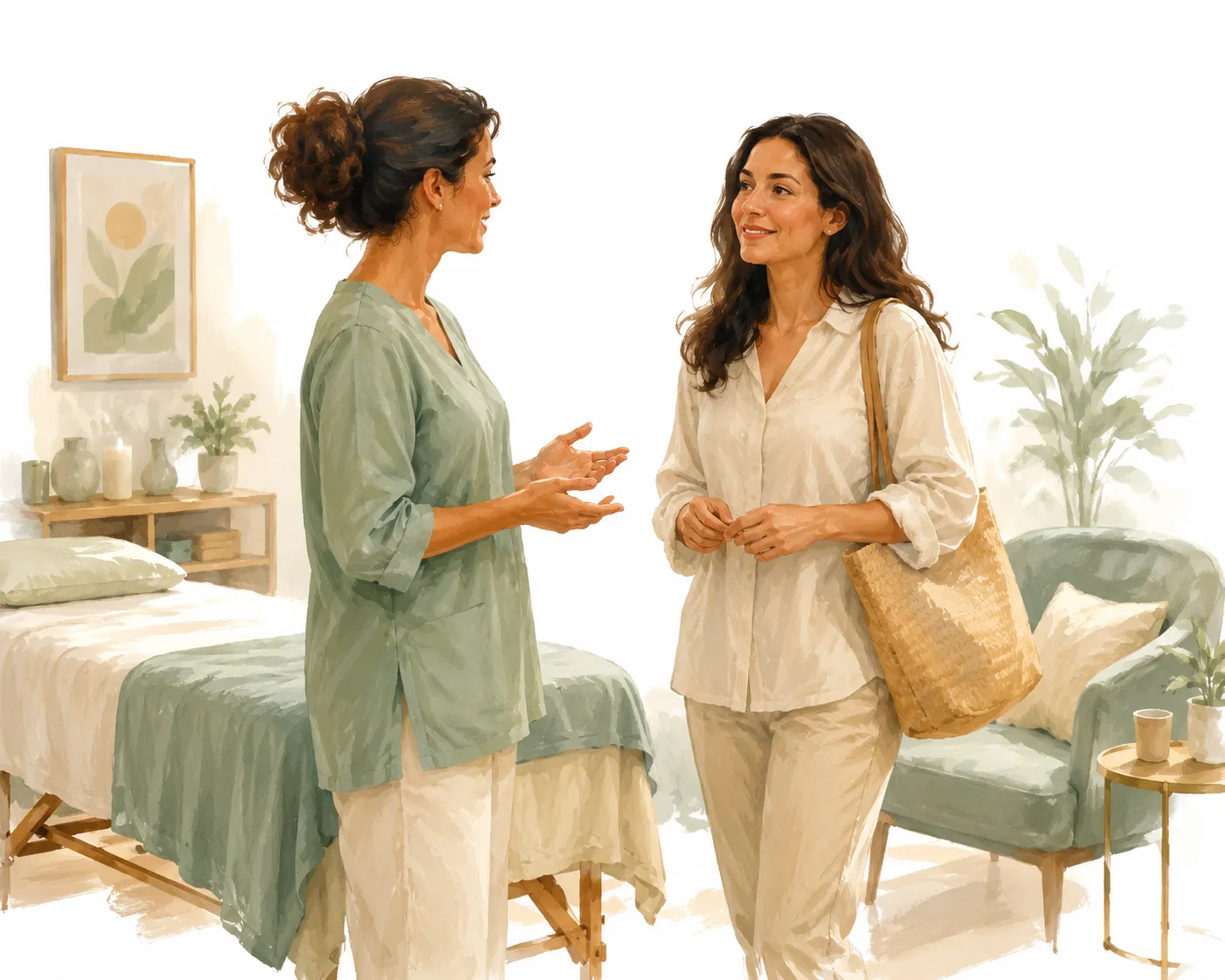
People new to the practice often first encounter the technique through friends trading informal sessions after taking a single class.
- Balanced view
A written walkthrough can explain the general shape of the technique, but the fine details of locating and sequencing all 32 points are taught hands-on, which is why in-person or guided instruction remains the standard route.
Reality check
Common misunderstandings about learning the technique
- Myth
You can learn to run a full Access Bars session just by reading about it.
RealityThe standard path involves an in-person or guided class, since precise point location and sequencing are taught hands-on.
- Myth
Self-practice works just as well as receiving a session from someone else.
RealitySources consistently describe self-practice as less effective, partly for practical reasons and partly because part of the described benefit involves simply receiving.
What to remember
The core technique is light, sustained fingertip touch on designated head points.
Sessions typically avoid crossed hands and background music.
Self-practice is possible for some points but described as less effective than receiving from someone else.
Learning to run a full session on others is typically taught through a class, not a written guide alone.
Quick answers
Frequently asked questions
Can I learn Access Bars from a video?
A video can show the general idea, but the standard, recommended path for learning to run a full session is an in-person or guided class.
Do you need a certificate to practice Access Bars on friends?
An introductory class is the typical starting point even for informal, non-paid sessions with friends or family.
Is it effective to run Access Bars on yourself?
You can reach some points yourself, but sources describe self-practice as considerably less effective than receiving a session from another person.
How much does Access Bars training cost?
Costs vary by facilitator and location; this article focuses on the technique itself rather than pricing specifics.
Sources
A Step-by-Step Guide to Access Bars: Releasing Stuck Energy. SoulAdvisor. Accessed 2026-07-17
Describes the convention of not crossing hands and avoiding music during a session.
Learn How to Run Access Bars. Practical Personal Development Advice. Accessed 2026-07-17
Describes the class-based training and facilitator certification path.
Access Bars Therapy & Healing Guide - Benefits & Techniques. Bodhi Holistic Hub. Accessed 2026-07-17
Notes that self-practice is possible but generally less effective than receiving a session from someone else.