Understanding side effects
What are the side effects of Access Bars?
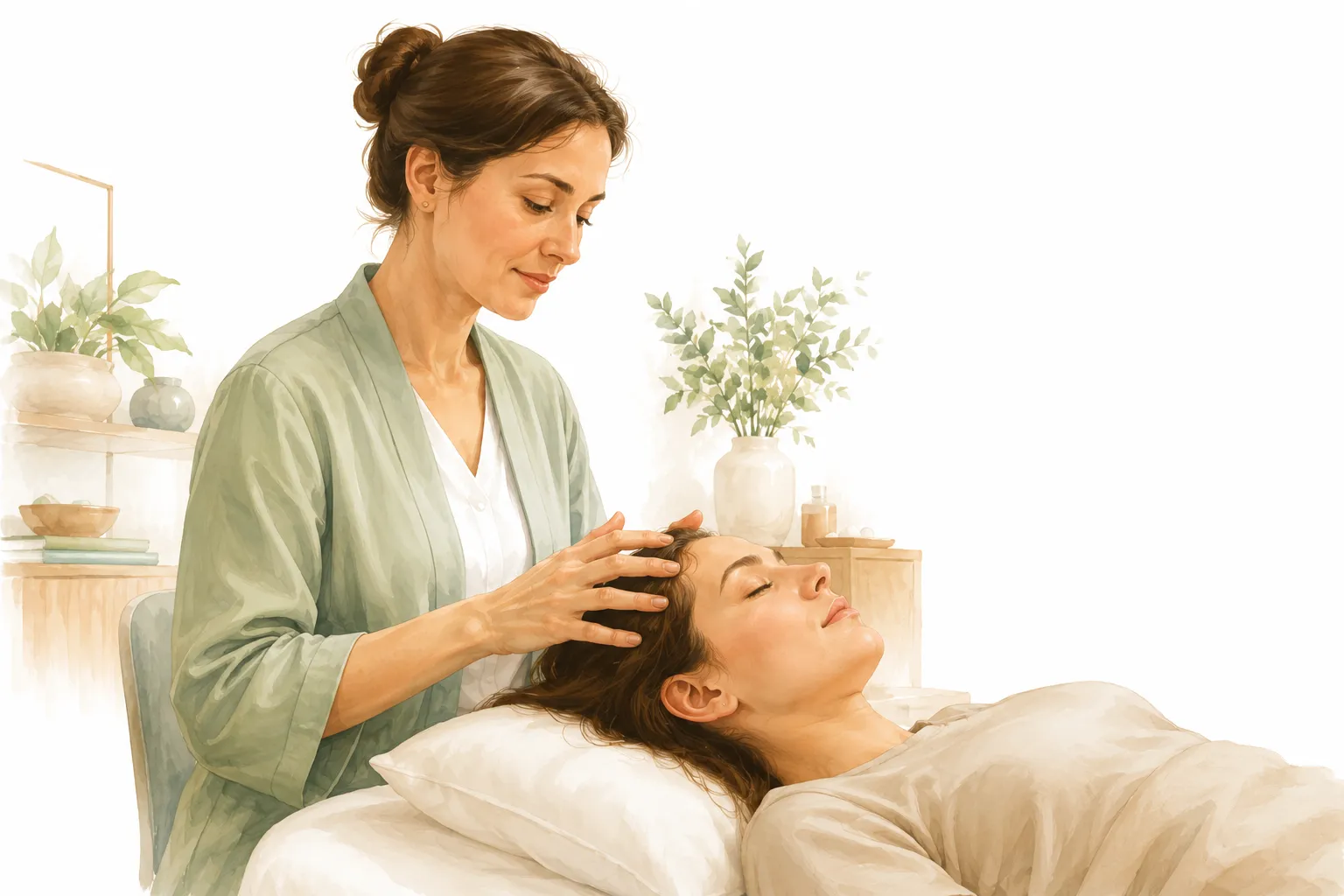
Access Bars is generally considered a low-risk practice. The physical touch is gentle, and the environment is quiet and supportive. Most people experience only pleasant or neutral effects, primarily relaxation.
However, side effects do occur. The most common are tiredness, emotional sensitivity, vivid dreams, and temporary mood changes. These are typically mild and resolve within a day or two.
More significant reactions are rare but possible, especially for people with unresolved trauma, mental health conditions, or those who are vulnerable to suggestion.
The greatest risk associated with Access Bars may not be the physical touch itself but the broader context: unsupported claims about health, financial exploitation, and discouraging people from seeking appropriate medical or psychological care.
Skim first
Key takeaways
The shortest useful version of this page.
Most side effects of Access Bars are mild and temporary.
Common: relaxation, tiredness, emotional sensitivity, vivid dreams.
Serious side effects are rare.
Physical risks are very low.
Psychological risks are mild for most people.
If you have trauma history, approach with caution.
Access Bars should not replace professional medical or psychological care.
What to expect
What are the common side effects of Access Bars?
The most common side effects of Access Bars are mild and temporary. Many people experience a feeling of deep relaxation that can last for hours or days. This often feels pleasant, though it can also leave some people feeling tired or sleepy.
Emotional sensitivity is another common side effect. Some people cry during or after a session, or feel unusually open and receptive. Others may feel irritable or moody for a short time. These feelings usually pass within a day or two.
Vivid dreams are frequently reported in the nights following a session. Some people describe them as unusual, meaningful, or emotionally charged.
Less common but still reported: headache, fatigue, temporary dizziness, and feeling emotionally "raw." These are generally mild and short-lived.
Safety
When to be cautious about Access Bars
The physical touch is generally low risk, but certain situations warrant caution.
Generally low-risk for
- Adults comfortable with gentle touch around the head
- People seeking relaxation
- Those who understand the practice's limitations
Use caution if
- You have a recent head injury, surgery, or condition requiring professional advice
- You have unresolved trauma or severe mental health concerns
- You are pregnant and unsure about touch
- You are in a vulnerable state emotionally
Seek professional help if
- You experience significant distress after a session
- You have symptoms that need diagnosis
- You are in a mental health crisis
Access Bars is not a substitute for medical or psychological treatment.
Evidence scan
What does evidence say about Access Bars side effects?
The available evidence on Access Bars side effects comes primarily from participant reports rather than rigorous clinical studies.
Overall: not enough evidence
Leans in favor
Points that support the claim
Access Bars has serious physical side effects.
There is no evidence of significant physical side effects from the gentle touch involved.
Unclear or mixed
Not clearly for or against
Access Bars can cause tiredness and relaxation.
Participant reports consistently describe tiredness and relaxation as common after-effects.
Access Bars can trigger emotional sensitivity.
Some participants describe emotional responses after sessions. These are generally mild and temporary.
Access Bars can trigger trauma responses.
There are anecdotal reports of emotional distress, but no systematic research on this. Caution is warranted for trauma survivors.
Reality check
Common myths about Access Bars side effects
- Myth
Access Bars has no side effects at all.
RealityWhile generally safe, some people experience tiredness, emotional sensitivity, or vivid dreams after sessions.
- Myth
Any negative reaction means something is wrong with you.
RealityEmotional responses are common. Distress can happen and doesn't mean you failed or that the practice is harmful.
- Myth
You should ignore negative side effects.
RealityIf you're feeling significant distress, it's worth paying attention to. Self-care matters.
- Myth
Access Bars can cause brain damage.
RealityThere's no evidence that gentle touch on the head has any negative physical effect on the brain.
How Access Bars side effects compare to other practices
For context, here's how Access Bars side effects compare to other wellness practices.
Access Bars
Tiredness, relaxation, emotional sensitivity
Rare; primarily psychological
Massage
Soreness, fatigue, mild muscle pain
Very rare; injuries if done improperly
Reiki
Relaxation, tiredness, emotional release
Rare
Acupuncture
Mild bruising, soreness, dizziness
Rare; infection if unsterile needles
Psychotherapy
Temporary emotional distress
Rare; can worsen symptoms in some cases
What to remember about Access Bars side effects
Relaxation and tiredness are the most common side effects.
Emotional sensitivity and vivid dreams are also common.
Serious side effects are rare.
The greatest risk is often unsupported claims and exploitation.
If you have concerns, consult a healthcare professional.
Access Bars should not replace medical or psychological care.
Verdict
Our verdict on Access Bars side effects
insufficient-evidence
Access Bars is generally safe, with mild and temporary side effects being most common. The physical touch is low risk. However, emotional sensitivity and tiredness are common, and some people may experience distress. The greatest risks come from unsupported claims and financial exploitation, not from the touch itself.
What we know
- Relaxation and tiredness are the most common side effects.
- Emotional sensitivity and vivid dreams also occur.
- Physical risks are very low.
- Serious side effects are rare.
What we do not know
- The exact prevalence of side effects.
- Which factors predict who will have which side effects.
If you're considering Access Bars, expect mild, temporary effects, mostly relaxation. If you experience significant distress, seek professional support. Always maintain your regular healthcare.
Bottom line
Side effects are mostly mild, but awareness matters
Access Bars is generally safe, with relaxation being the most common side effect. But being aware of possible after-effects helps you make an informed choice and know when to seek support.
Quick answers
Frequently asked questions
Can Access Bars cause anxiety?
Some people feel anxious during or after sessions, but this is not common. If anxiety persists, talk to your healthcare provider.
Can Access Bars cause dizziness?
Temporary dizziness is rarely reported. If you feel dizzy, sit down, rest, and avoid driving until you feel better.
Can Access Bars make you sick?
There's no evidence that Access Bars causes illness. Some people may feel tired or have mild headaches afterward.
Are Access Bars safe for children?
There's no research on Access Bars for children. Practitioners may offer sessions to children, but there's no evidence of specific benefits or risks.
Sources
Various practitioners. Access Bars Safety - Practitioner Reports. Practitioner websites. Accessed 2026-07-17
Compilation of practitioner and participant reports of Access Bars side effects.
Access Consciousness. Access Consciousness Official Description. Access Consciousness. Accessed 2026-07-17
Official Access Consciousness description of what the Bars process is.