The promise and the reality
What is Access Bars actually used for?
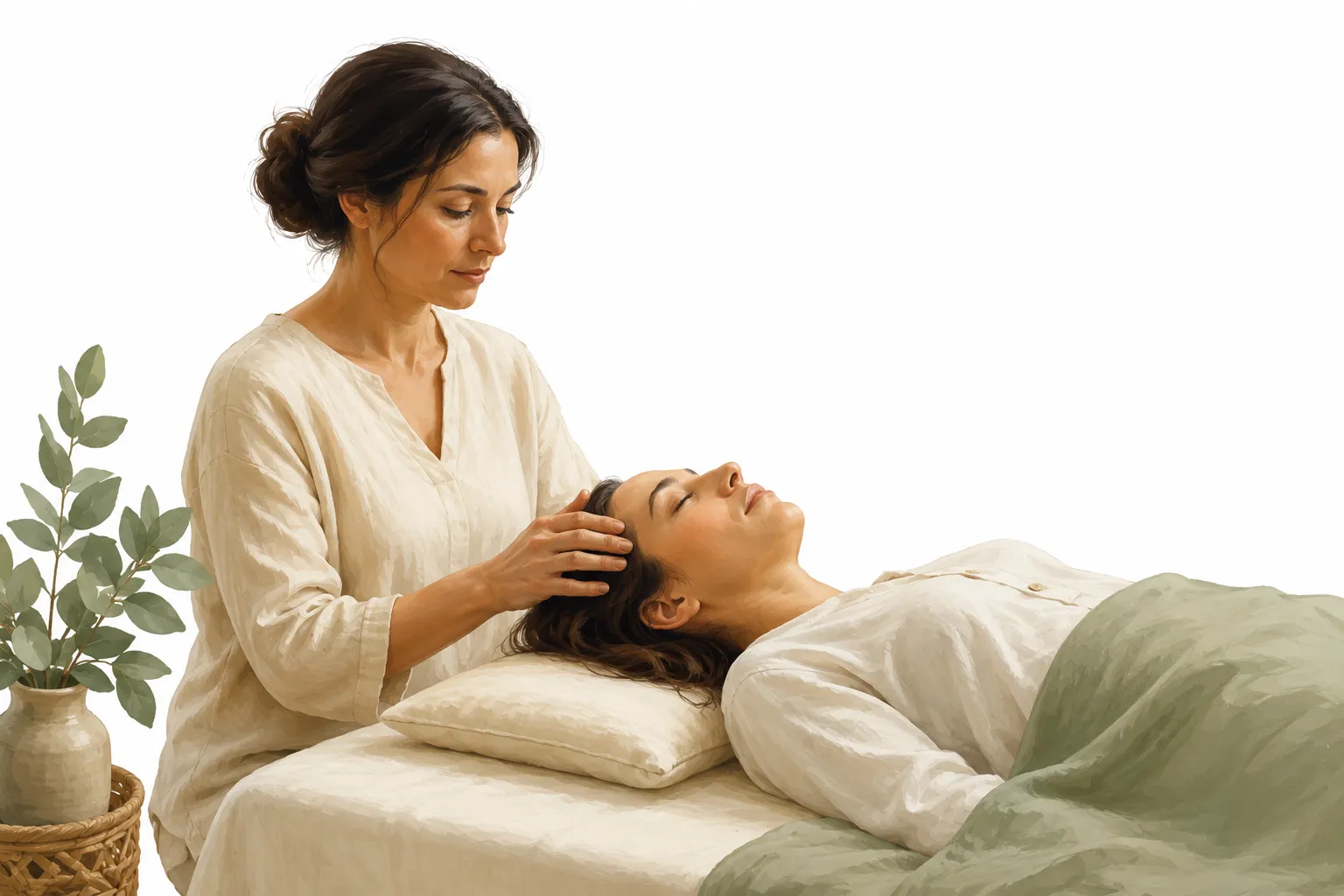
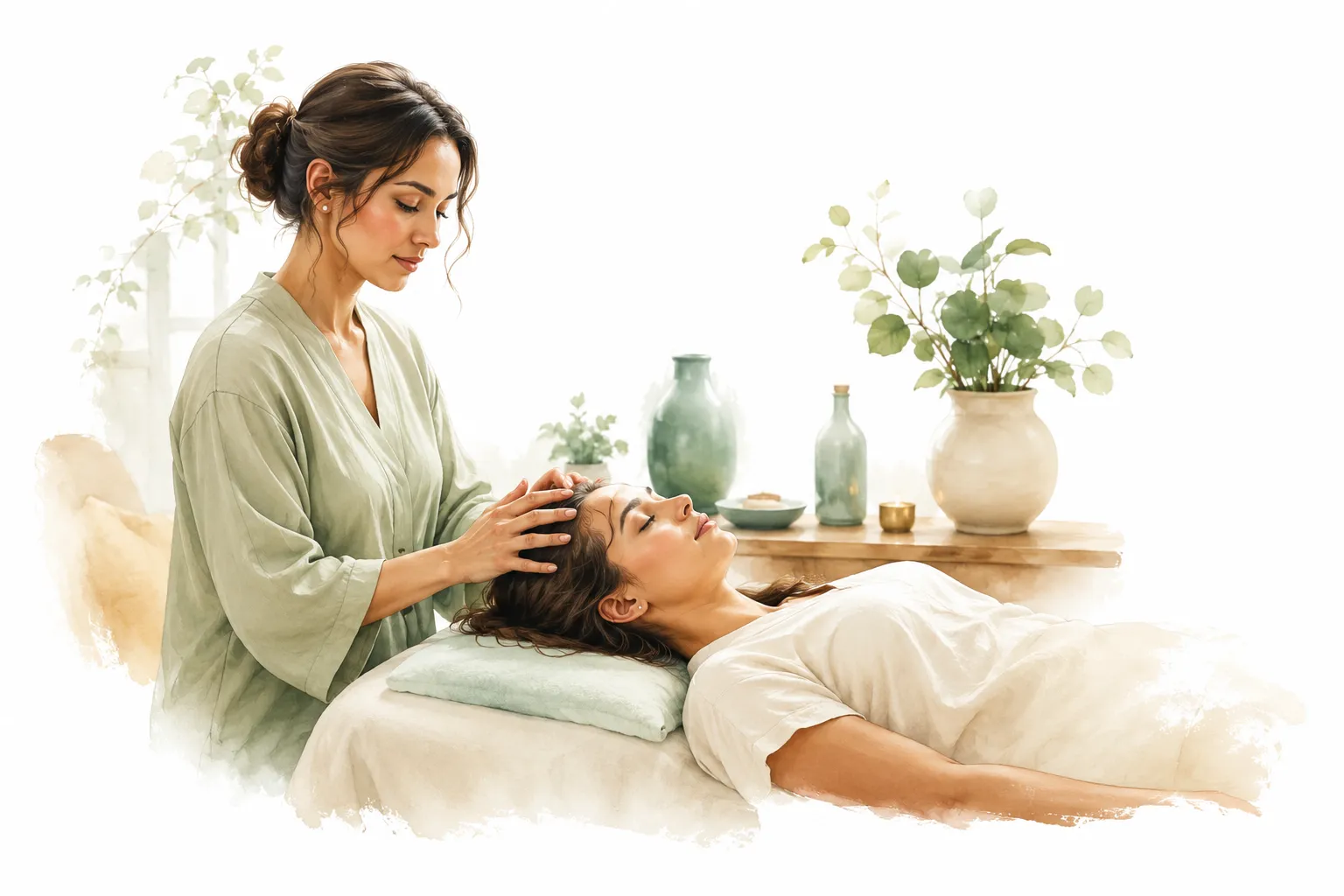
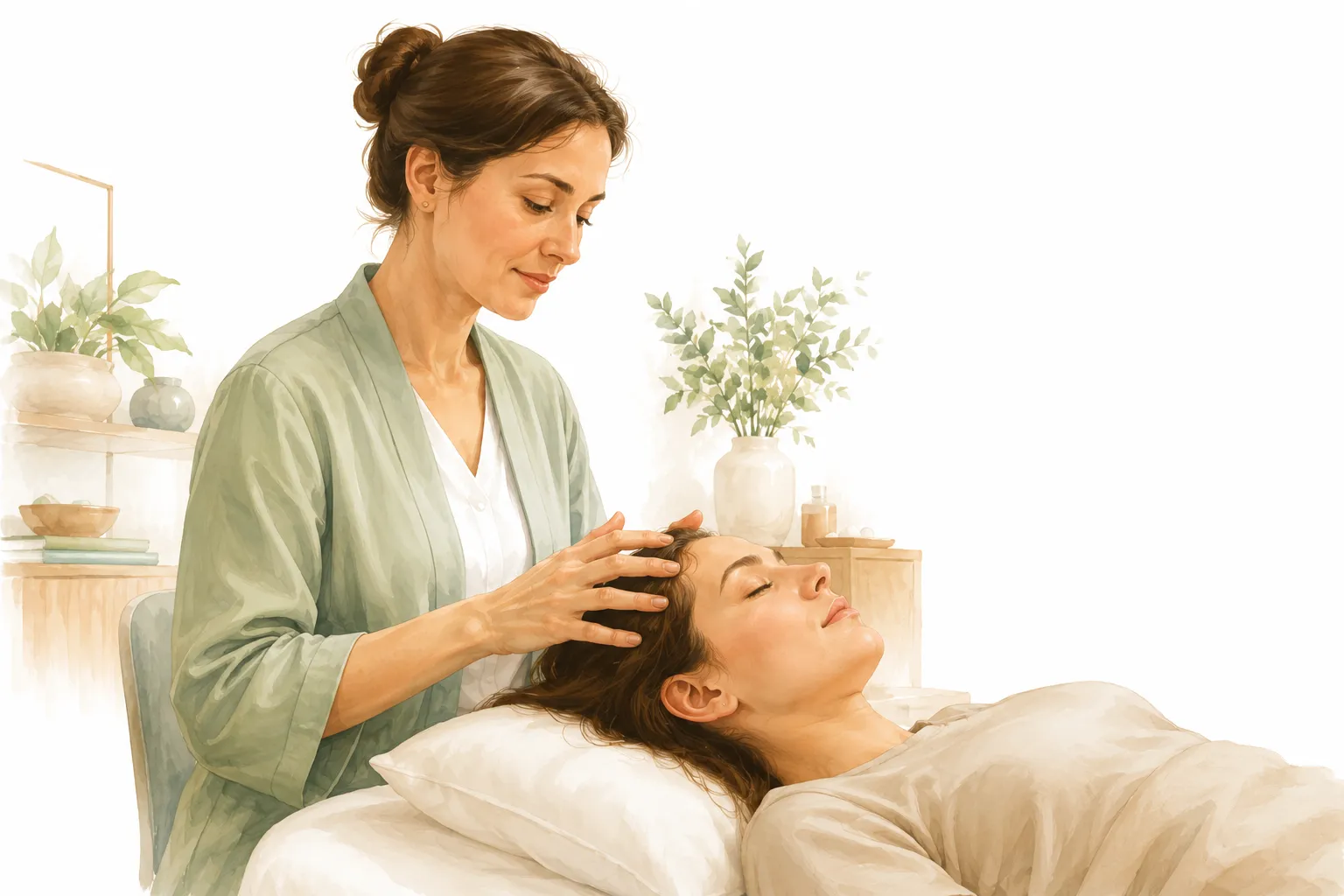
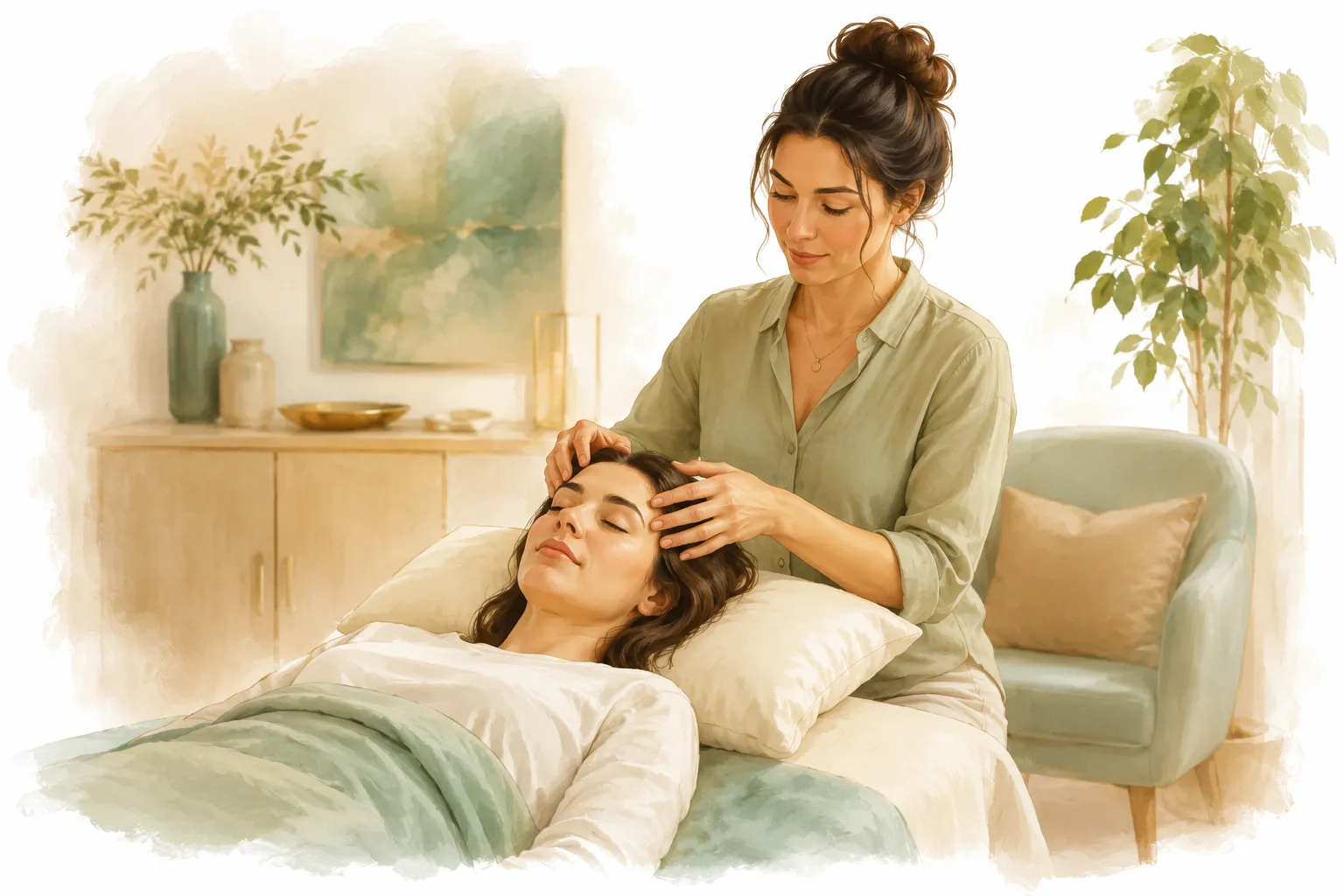
Access Bars is offered as a gentle, hands-on practice that people use for various reasons. The most common is simply relaxation: a chance to lie down, receive gentle touch, and let the mind settle. Many practitioners also market it for more specific issues: stress, anxiety, insomnia, depression, burnout, mental fog, and feeling stuck in life.
The range of claimed uses is broad. Some people seek it out for a "reset" during stressful periods. Others use it as part of their self-care routine. And some practitioners make stronger claims about treating specific conditions.
The challenge is distinguishing between what people genuinely experience (calmness, relaxation, a quieter mind) and the larger claims about what Access Bars can "cure." The former is well-documented anecdotally; the latter lacks strong scientific support.
Skim first
Key takeaways
The shortest useful version of this page.
Access Bars is primarily used for relaxation and stress relief.
Participants often report feeling calmer, clearer, and more peaceful.
Practitioners may claim benefits for many conditions.
Evidence for treating specific conditions is limited.
Access Bars is not a proven treatment for anxiety, depression, or other conditions.
Approach it as complementary wellness, not replacement care.
Why people try Access Bars
What do people use Access Bars for?
The most common reason people try Access Bars is stress. Life is busy, minds race, and the appeal of an hour of quiet, gentle touch is obvious. Many participants simply want to feel calmer and more relaxed.
Beyond stress, people seek it for mental clarity. When thoughts are tangled or overwhelming, a session offers a break from the noise. Some describe it as a "reset button" for their mind[citation:15].
Sleep is another frequent reason. People with insomnia or restless minds sometimes turn to Access Bars for help winding down. Relaxation sessions often leave people drowsy or deeply rested.
Emotional release is another draw. Some participants report feeling lighter, less burdened, or more emotionally spacious after a session[citation:4]. This can feel significant even if it doesn't fit neatly into a medical diagnosis.
Practitioners also claim it helps with more specific issues: anxiety, depression, burnout, ADHD symptoms, limiting beliefs, and even physical concerns like weight or ageing. These claims are part of the Access Consciousness framework rather than evidence-based medicine[citation:7].
What do different people say Access Bars is good for?
- Practitioner
Practitioners often describe Access Bars as a tool for releasing limiting thoughts, beliefs, and emotions. They might say it helps with anxiety, stress, depression, insomnia, burnout, self-limiting beliefs, and body issues[citation:5]. They may also mention it's useful for "expanding consciousness" and creating more ease in life[citation:4].
- Participant
Recipients commonly describe feeling calmer, clearer, lighter, more relaxed, or more peaceful. Some notice improved sleep, less mental noise, or a shift in how they see situations[citation:4]. Many don't experience dramatic changes but still find the sessions pleasant.
- Student
People learning Access Bars are often taught that it's easy to learn and can benefit anyone, friends, family, colleagues, clients. Students may see it as a valuable skill for helping others relax[citation:5].
- Balanced view
These different perspectives highlight the gap between subjective experience and scientific evidence. People genuinely feel calmer. That's real. But the explanation for why (stored energy release, brain rewiring) is not scientifically established.
- Evidence view
There is not enough high-quality evidence to confirm that Access Bars is effective for treating anxiety, depression, or any other medical or psychological condition.
If a practitioner promises a "cure" or says Access Bars can replace professional treatment, that's a red flag.
Evidence scan
What does the evidence say?
The evidence question is central: can Access Bars do what it claims? The answer depends on the claim.
Overall: not enough evidence
Unclear or mixed
Not clearly for or against
Access Bars helps people relax and feel calmer.
Many participant reports support this. However, relaxation is common to many activities and doesn't prove a unique mechanism.
Access Bars is effective for anxiety or depression.
Some studies suggest benefits, but evidence is limited and not strong enough for clinical recommendations.
Leans against
Points that do not support the claim
Access Bars releases stored thoughts, beliefs, or emotions from specific head points.
No scientific evidence supports this mechanism.
Access Bars treats medical or psychological conditions.
Current evidence does not support treating Access Bars as a proven intervention for any health condition.
Reality check
Common myths about what Access Bars can do
- Myth
Access Bars is a proven treatment for anxiety or depression.
RealityNot according to current evidence. Some people may feel better, but that doesn't make it a proven treatment.
- Myth
Feeling relaxed after a session proves the method works.
RealityRelaxation is a real experience, but it doesn't prove the claimed mechanism (stored thoughts releasing from head points) actually exists.
- Myth
Access Bars can cure anything from insomnia to financial problems.
RealityPractitioners may claim broad benefits, but these claims are not supported by evidence. Access Bars is a relaxation practice, not a cure-all.
- Myth
If it doesn't treat specific conditions, it's useless.
RealityNot every relaxing experience needs to be a treatment. Access Bars can be valuable as a relaxation practice without being medical.
Access Bars benefits compared to other wellness activities
Understanding what Access Bars is good for is easier when compared to similar practices.
Access Bars
Relaxation, clarity
Limited
Complementary wellness
Meditation
Focus, calm, stress reduction
Strong
Wellness practice
Massage
Muscle relaxation, stress relief
Moderate-strong
Complementary therapy
Cognitive therapy
Changing thought patterns
Strong
Treatment
Medication
Symptom management
Strong (for many conditions)
Treatment
Safety
Is Access Bars safe for what it's used for?
The practice itself is generally low-risk. The main risks come from confusing relaxation with treatment and replacing proper care.
Generally low-risk for
- Adults seeking relaxation
- People comfortable with head touch
- Those with realistic expectations
Use caution if
- You have a recent head injury or surgery
- You are using it instead of professional care
- A practitioner makes strong promises
Seek professional help if
- You have health or mental health concerns requiring diagnosis or treatment
- You are considering stopping prescribed care
Access Bars is a complementary wellness practice, not a substitute for medical or psychological care.
What to remember about Access Bars benefits
Access Bars is mostly used for stress relief and relaxation.
Participants often report calm, clarity, and better sleep.
Practitioners may claim many other benefits.
The evidence for treating specific conditions is limited.
Access Bars is not a proven treatment for anxiety, depression, or other conditions.
It's best approached as complementary wellness, not replacement care.
Verdict
What are Access Bars good for? Our evidence-based verdict
insufficient-evidence
Access Bars is good for relaxation, stress relief, and a break from mental noise, according to many participant reports. Its broader claims about treating anxiety, depression, or other conditions are not currently supported by strong scientific evidence.
What we know
- Access Bars is a gentle, hands-on practice.
- Many people find it relaxing and calming.
- Participants often report feeling clearer or more peaceful.
- Relaxation is a genuine and valuable experience.
What we do not know
- Whether Access Bars has specific, measurable effects beyond relaxation.
- Whether the claimed mechanism (releasing stored thoughts from head points) actually occurs.
- Whether Access Bars is effective for treating anxiety, depression, or other health conditions.
If you want to try Access Bars, do it for relaxation and curiosity, not as a substitute for professional care. It may help you feel calmer (and that's good) but it's not a cure.
Bottom line
Relaxation is real, even when the evidence is thin
Access Bars can provide a genuine relaxation experience. Many people find it helpful for reducing stress, quieting mental noise, and feeling calmer. These are real benefits.
Quick answers
Frequently asked questions
Is Access Bars good for anxiety?
Some find it calming, but it's not a proven treatment. Consult a professional for anxiety.
Can Access Bars help with sleep?
Many report feeling drowsy after sessions, but it's not a treatment for insomnia.
Is Access Bars good for depression?
Some feel lighter, but it's not a proven treatment. Seek professional care for depression.
Does Access Bars have scientific evidence?
Limited evidence exists, but not enough to support broad therapeutic claims.
Should I use Access Bars instead of therapy?
No. Access Bars is a complementary practice, not a replacement for therapy or medical care.
Sources
REPLACE WITH VERIFIED AUTHORS. REPLACE WITH VERIFIED RESEARCH ON ACCESS BARS BENEFITS. REPLACE WITH VERIFIED JOURNAL, REPLACE WITH VERIFIED DATE. Accessed YYYY-MM-DD
Use to assess study design and findings on Access Bars outcomes.
REPLACE IF AVAILABLE. REPLACE WITH VERIFIED OFFICIAL ACCESS BARS DESCRIPTION. Access Consciousness, REPLACE_IF_AVAILABLE. Accessed YYYY-MM-DD
Use to establish official descriptions of Access Bars.
REPLACE IF AVAILABLE. REPLACE WITH VERIFIED MEDICAL GUIDANCE ON COMPLEMENTARY PRACTICES. REPLACE WITH VERIFIED MEDICAL SOURCE, REPLACE IF AVAILABLE. Accessed YYYY-MM-DD
Use for appropriate context on complementary therapies.