The Bars in context
What are Bars in Access Consciousness?
The Bars are the most visible part of Access Consciousness. They are the practice that most people encounter first, whether through a friend, a search engine, or a practitioner's website. But the Bars are not the whole system—they are a part of it[citation:13].
Access Consciousness was developed by Gary Douglas and is based on a philosophy that emphasizes awareness, choice, and the idea that many limitations are stored as thoughts, emotions, and beliefs that can be released. The Bars are one tool for that release[citation:13].
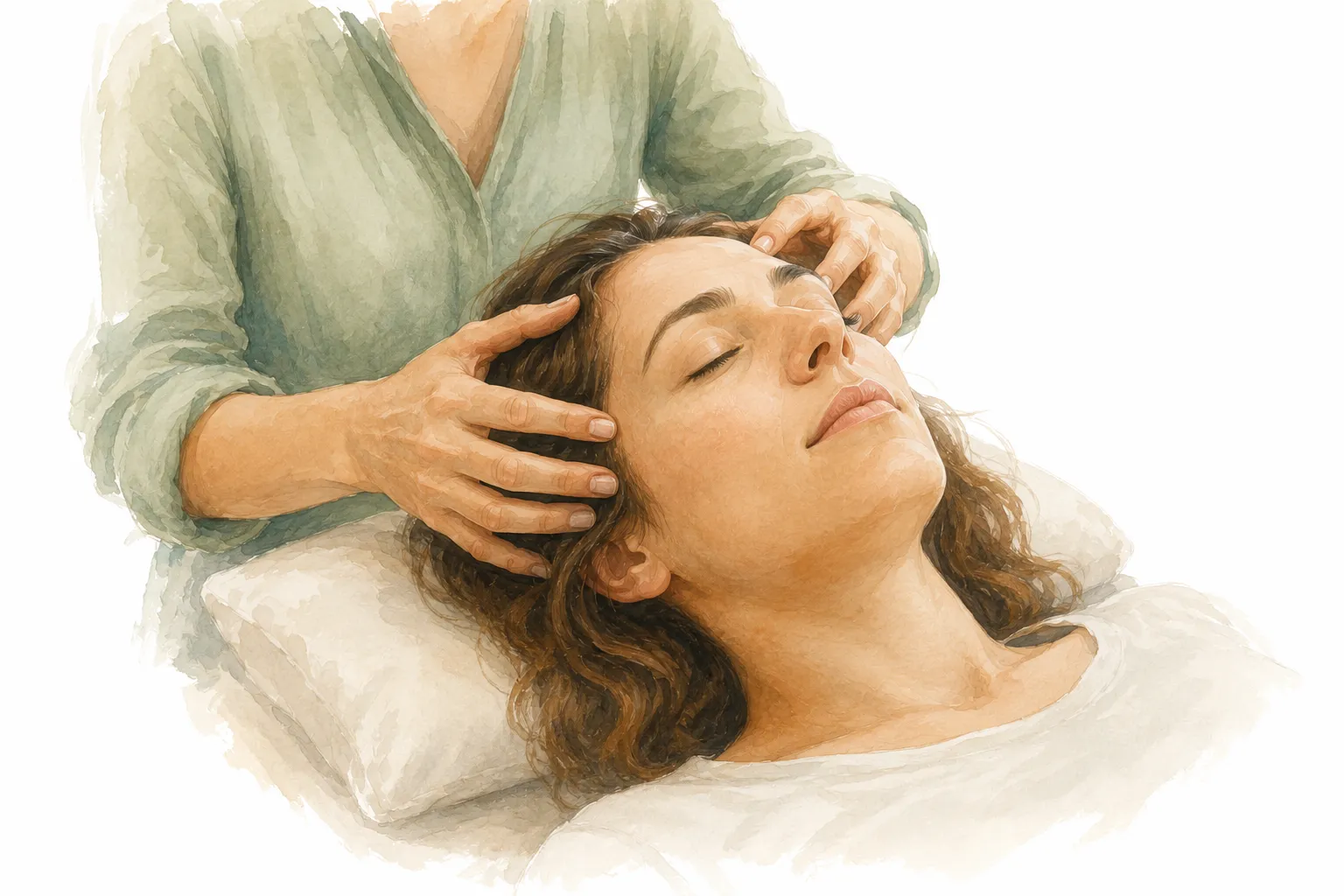
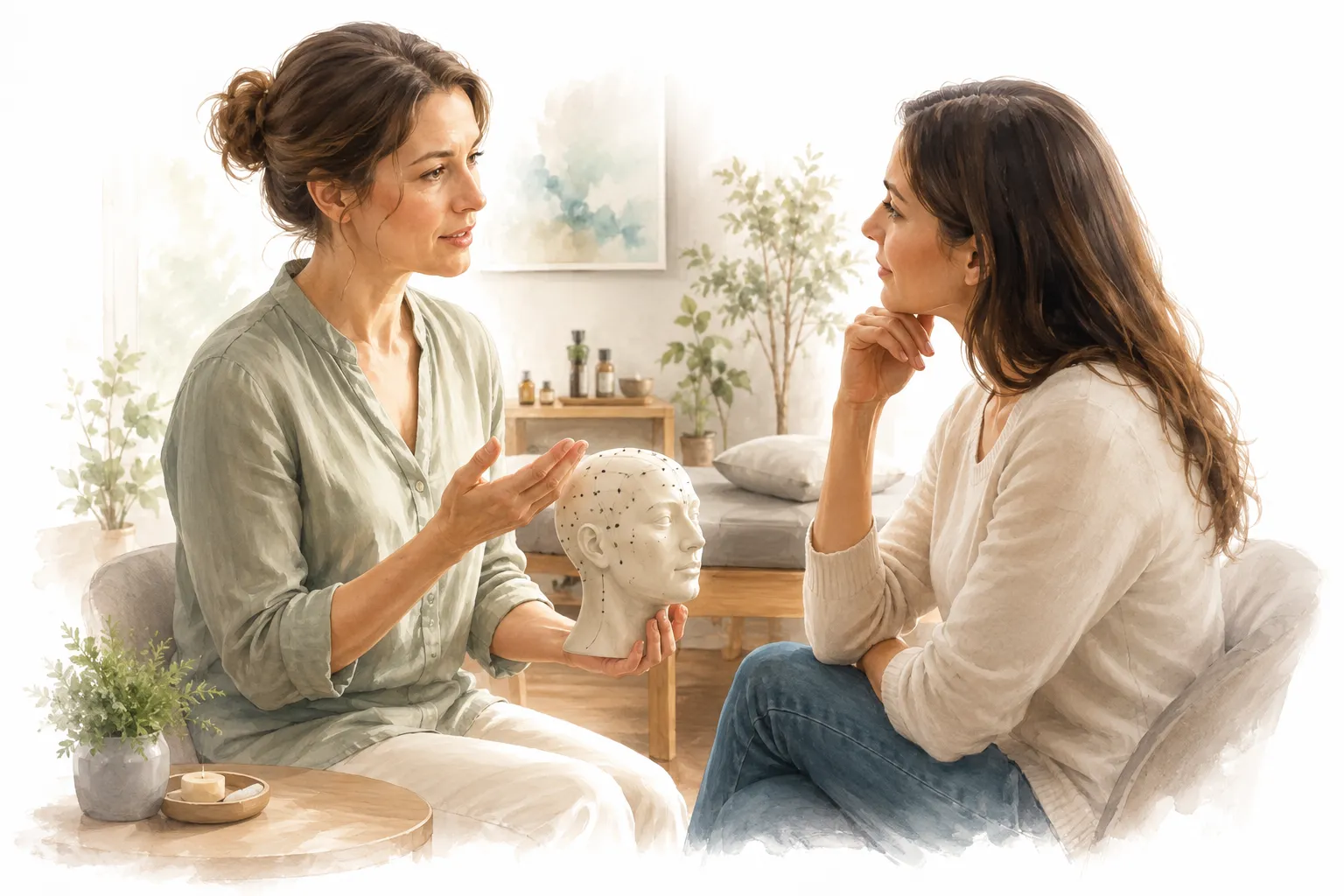
Physically, the Bars are designated points on the head—practitioners claim there are 32 of them—each associated with a theme such as money, control, creativity, or communication[citation:1]. During a session, a practitioner gently touches or holds these points, and Access Consciousness says this helps clear limiting patterns.
The Bars practice is often described as an introduction to the wider Access Consciousness system. Many people start with a Bars session and then explore other parts of the system[citation:13].
It is important to separate the Bars as a physical practice from the philosophical claims that surround them.
The Bars within Access Consciousness
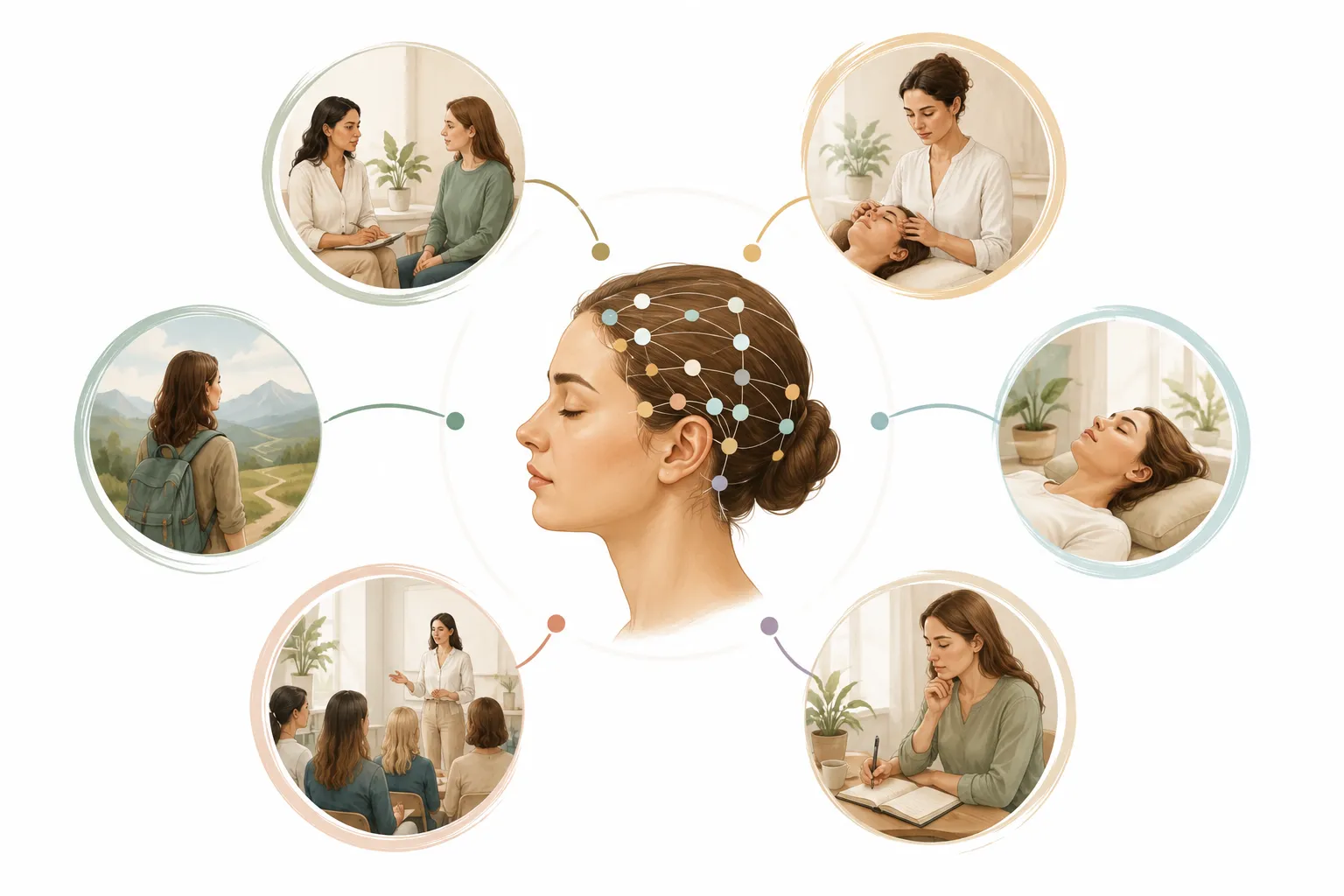
A visual showing the relationship between the Bars practice and the Access Consciousness system.
Access Consciousness System
The broader philosophy and framework developed by Gary Douglas[citation:13].
The Bars
A light-touch practice using designated head points, often the entry point to the system[citation:13].
Other tools
Access Consciousness includes other practices and techniques beyond the Bars.
Skim first
Key takeaways
The shortest useful version of this page.
The Bars are designated head points used in a light-touch practice.
They are part of the Access Consciousness system[citation:13].
Each point has a themed association within the system.
Practitioners claim the practice helps release limiting thoughts and emotions.
The philosophical claims are not scientifically established.
Do not replace professional care with the Bars.
Where the Bars came from
- Gary Douglas developed the Bars as a foundational practice within Access Consciousness.The Bars became the most widely known aspect of the system.
- Practitioner training helped spread the Bars internationally.The practice became accessible outside the core Access Consciousness community.
- The Bars are offered as a complementary wellness practice alongside other Access Consciousness tools.The relationship between the Bars, the philosophy, and the evidence continues to be discussed.
Bars in Access Consciousness
Bars in Access Consciousness
Designated points on the head used in a light-touch practice within the Access Consciousness system. Each point is associated with a theme such as money, control, creativity, or communication.
The Bars are often the entry point to Access Consciousness[citation:13]. They are the practice most people encounter first.
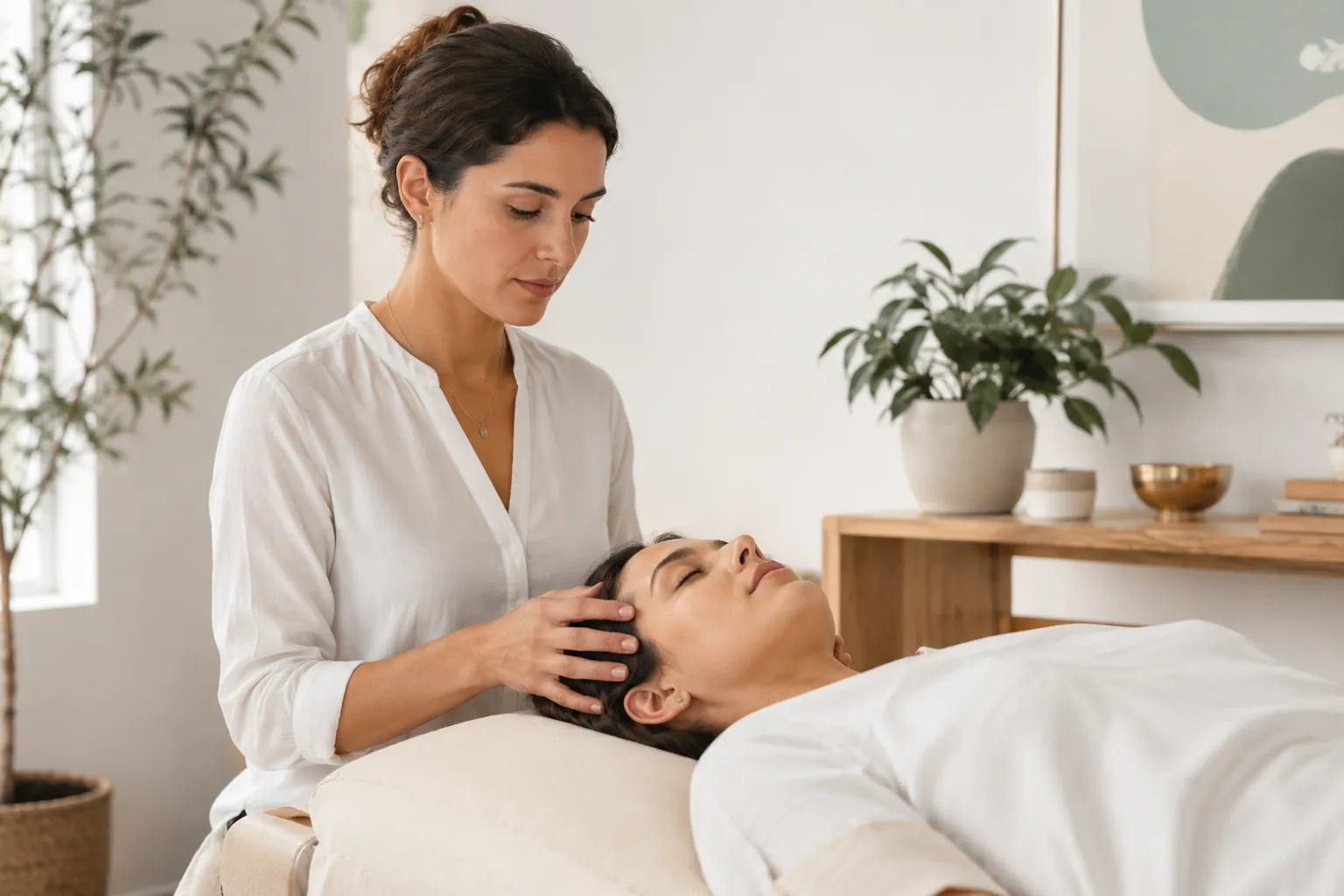
During a session, a practitioner gently touches or holds these points while the recipient rests. The practice is described by Access Consciousness as a way to release limiting thoughts, emotions, and beliefs.
While the Bars practice is easy to describe and experience, the philosophical claims about clearing stored thoughts and emotions from specific head points are not scientifically established. The practice can be appreciated as a relaxation or wellness experience without accepting every claim made about it.
The practitioner identifies the designated head points associated with different themes.
The practitioner gently touches or holds these points during a session.
Access Consciousness describes this as a process of clearing limiting thoughts, emotions, and beliefs.
The recipient rests and may experience relaxation, calmness, or other subjective feelings.
The wider system
How the Bars fit into Access Consciousness philosophy
Access Consciousness is not just a practice—it is a philosophy. It includes ideas about awareness, choice, and the nature of limitation. The Bars are a tool within that philosophy, designed to help people release the thoughts and beliefs that the system says hold them back[citation:13].
The philosophy is not universally accepted, and it is not based on mainstream science. It is a specific worldview developed by Gary Douglas and taught through Access Consciousness classes and materials.
For people interested in the Bars, understanding this philosophy helps explain why the practice is described the way it is. The Bar points are not random—they are tied to themes that reflect the system's concerns: money, control, creativity, communication, and others[citation:1].
The philosophy and the practice are intertwined, but they can be examined separately.
What are the 32 Bars?
Access Consciousness teaches a named map of head areas associated with themes in a person's life.
The names and meanings belong to the Access Consciousness system. They are not recognized anatomical structures.
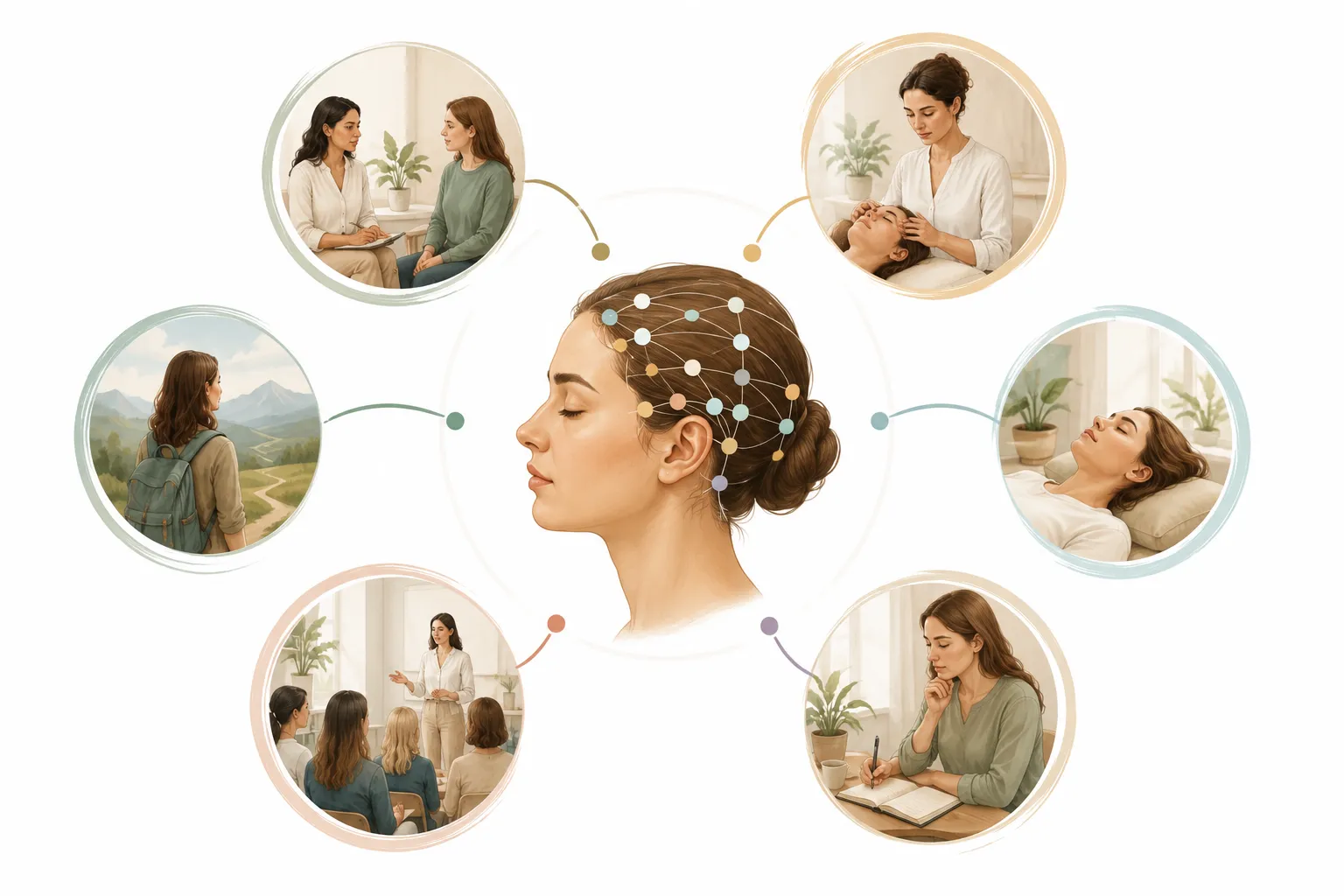
Money
Associated with thoughts and attitudes about money.
One of the named themes in the Access Bars teaching map.
There is no established scientific evidence that financial beliefs are stored at a specific head location.Control
Associated with control-related points of view.
A named conceptual area within the practitioner map.
The assigned meaning is part of the system's philosophy rather than established neuroanatomy.Creativity
Associated with creativity and related limitations.
A theme practitioners may refer to while explaining the point map.
Touching this location has not been established as a specific treatment for creative difficulty.Healing
Associated with healing and the body.
A commonly mentioned point.
The claimed association is not scientifically established.Awareness
Associated with awareness and consciousness.
A point within the Access Consciousness framework.
The claimed association is part of the system's philosophy.
How are the Bars supposed to work?
There are two separate explanations: the official Access Consciousness description and the ordinary effects of rest, attention, expectation, and gentle touch.
Locating the taught points
The practitioner follows a mapped system of head areas that Access Consciousness associates with different themes.
Within the system, the map functions like a set of conceptual switches.Light touch or holding
The practitioner places fingertips on selected areas, often holding more than one location at a time.
Claimed release
Access Consciousness materials describe the process as helping clear or release accumulated thoughts, beliefs, emotions, or points of view.
Supporters sometimes describe it as clearing clutter from an overfilled mental room.Possible subjective experiences
Some people report calmness, sleepiness, mental quiet, emotional lightness, or no obvious effect at all.
Scientific mechanism unestablished
Research has not established that particular thoughts or beliefs are stored in these head points or that touching them releases such material through a verified biological process.
How different groups view the Bars
- Practitioner
Practitioners describe the Bars as a way to help clients release limiting thoughts, emotions, and beliefs. They see it as a tool for personal clearing and awareness.
- Participant
Recipients may describe deep relaxation, sleepiness, calmness, unusual sensations, emotional shifts, clearer thinking, or no noticeable change.
- Balanced view
These perspectives explain how the practice is experienced and taught, but they do not all carry the same evidentiary weight. A personal report can accurately describe how someone felt without establishing why the feeling occurred.
- Evidence view
Independent evidence is currently too limited to verify the system's broad proposed mechanism or many of its claims.
Practitioner explanations should not be used to diagnose symptoms or persuade someone to abandon appropriate medical or psychological care.
Evidence scan
What does the evidence say about the Bars?
The evidence question is about whether the Bars produce specific, reliable effects beyond ordinary relaxation, expectation, and attention.
Overall: not enough evidence
Unclear or mixed
Not clearly for or against
The Bars can help people feel relaxed or mentally quieter.
Participant reports may support subjective relaxation, but such reports do not identify a specific therapeutic mechanism.
Leans against
Points that do not support the claim
Touching the Bars releases thoughts, emotions, or beliefs stored in specific head points.
No established neurological or biological evidence currently confirms this proposed mechanism.
The Bars have broad therapeutic effects.
The available evidence base is not strong enough to support broad clinical conclusions.
Reality check
Common misunderstandings about the Bars
- Myth
The Bars are recognized neurological pathways.
RealityThey are part of the Access Consciousness teaching system, not accepted anatomical structures.
- Myth
Feeling relaxed proves that the claimed mechanism is real.
RealityRelaxation can be genuine while the proposed explanation remains unverified.
- Myth
The Bars are the entire Access Consciousness system.
RealityThey are a part of the system, not the whole[citation:13].
- Myth
The Bars are scientifically proven.
RealityThe broader claims are not supported by independent evidence.
Safety
Are the Bars safe?
The standard procedure involves gentle touch and is generally low in direct physical intensity. The more important risks concern consent, practitioner boundaries, unsupported claims, and delaying necessary professional care.
Generally low-risk for
- Adults who understand the nature and limitations of the practice
- People comfortable with gentle touch around the head
Use caution if
- You dislike or are distressed by touch around the head
- You have a recent head injury or surgery
- A practitioner promises cures or guaranteed outcomes
- You are being encouraged to stop prescribed treatment
Seek professional help if
- You have persistent symptoms
- You need a medical diagnosis or treatment plan
- You are experiencing a mental health crisis
The Bars should be considered an optional complementary wellness practice, not medical or psychological treatment.
What to remember about the Bars
The Bars are designated head points used in a light-touch practice.
They are part of the Access Consciousness system[citation:13].
Each point has a themed association within the system.
Practitioners claim the practice helps release limiting thoughts and emotions.
The philosophical claims are not scientifically established.
Do not replace professional care with the Bars.
Verdict
Our evidence-based verdict on the Bars
insufficient-evidence
The Bars are a light-touch practice within the Access Consciousness system. The physical practice can be observed and described. The philosophical claims about releasing limiting thoughts and emotions from specific head points are not scientifically established. The evidence does not support the broader claims.
What we know
- The Bars are designated head points used in a light-touch practice.
- They are part of the Access Consciousness system[citation:13].
- The system associates each point with a theme.
- Some people report relaxation or calmness.
What we do not know
- Whether the named points correspond to distinct stored beliefs or emotions.
- Whether touching those points produces specific effects beyond non-specific relaxation factors.
- Whether the practice reliably treats any condition.
A person may choose to explore the Bars as an optional wellness practice, provided expectations are realistic and professional care is not delayed or replaced.
Bottom line
The Bars in perspective
The Bars are a specific practice within a specific philosophy. They can be experienced as a relaxation or wellness practice, but the broader philosophical claims are not scientifically established.
Quick answers
Frequently asked questions
What are Bars in Access Consciousness?
They are designated head points used in a light-touch practice within the Access Consciousness system.
How many Bars are there?
Access Consciousness teaches 32 Bars.
Are the Bars scientifically proven?
No, the broader claims are not supported by independent evidence.
What do the Bars represent?
Each Bar is associated with a theme like money, control, creativity, or healing.
Should I use the Bars instead of professional care?
No. The Bars should be used as a complementary practice, not a replacement for professional care.
Sources
REPLACE IF AVAILABLE. REPLACE WITH VERIFIED OFFICIAL ACCESS CONSCIOUSNESS PAGE. Access Consciousness, REPLACE_IF_AVAILABLE. Accessed YYYY-MM-DD
Use to establish what Access Consciousness claims about the Bars.
REPLACE WITH VERIFIED AUTHORS. REPLACE WITH VERIFIED RESEARCH PAPER TITLE. REPLACE WITH VERIFIED JOURNAL, REPLACE WITH VERIFIED DATE. Accessed YYYY-MM-DD
Use to assess the evidence for Access Bars claims.