Understanding Access Consciousness tools
What tools does Access Consciousness use?
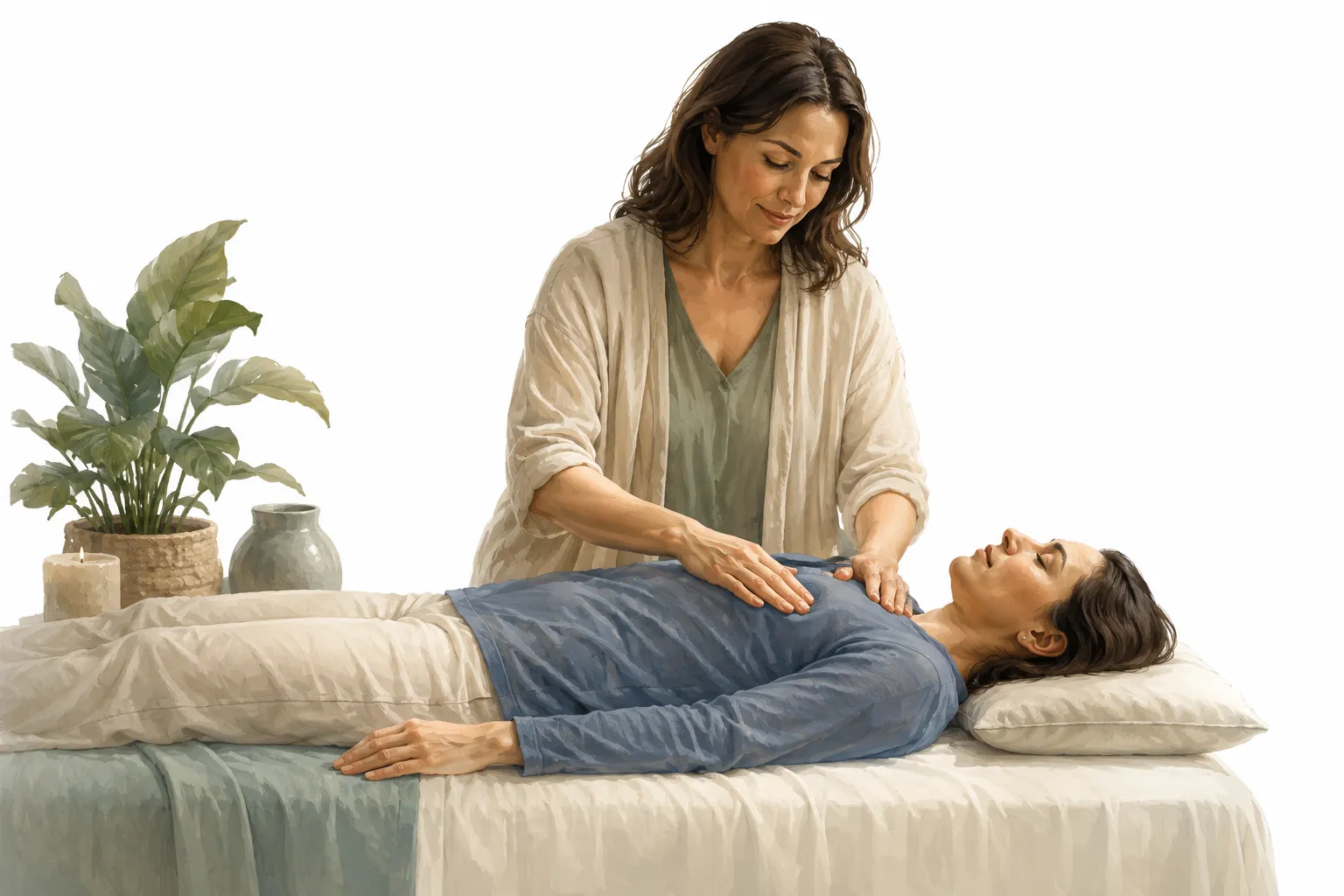
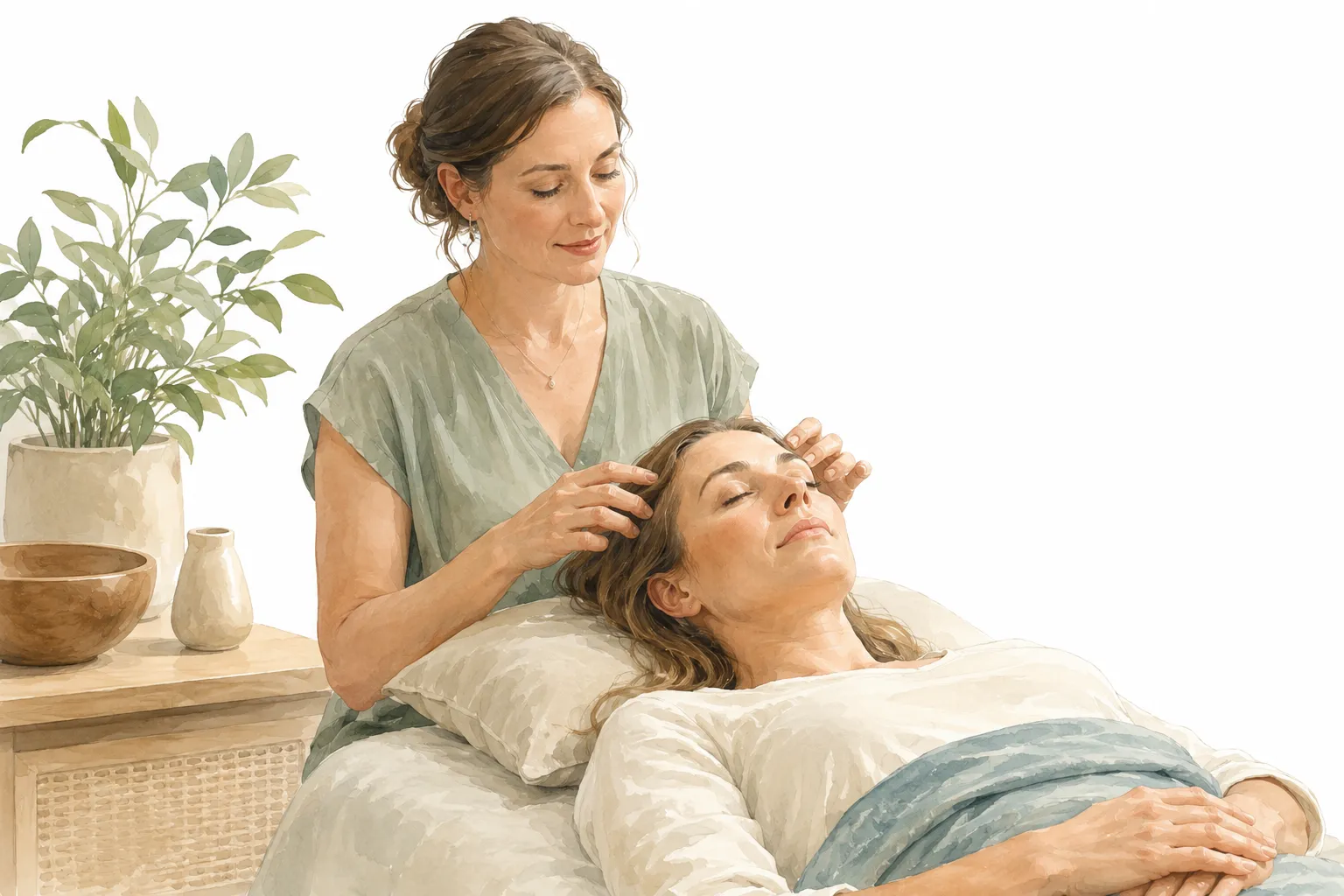
Access Consciousness offers a range of tools and practices designed to help people create change in their lives. The most well-known is Access Bars, which involves light touch on designated points on the head. Other tools include Access Body Processes, Access Consciousness classes, and the use of verbal clearing statements.
The philosophy behind these tools is based on questions, choice, and the idea that we can change our lives by changing our thoughts and beliefs. Practitioners work with clients to help them identify and release limiting patterns.
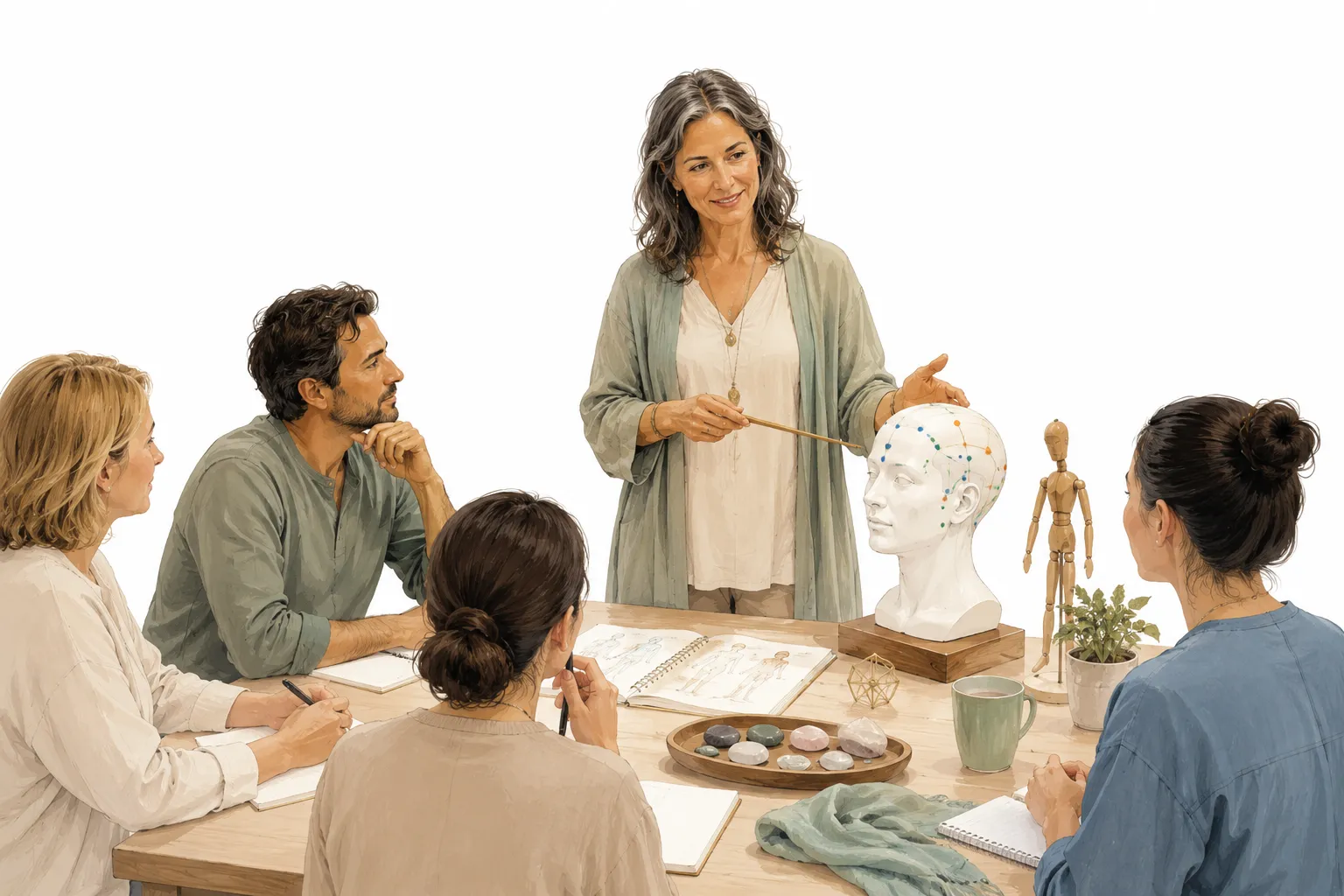
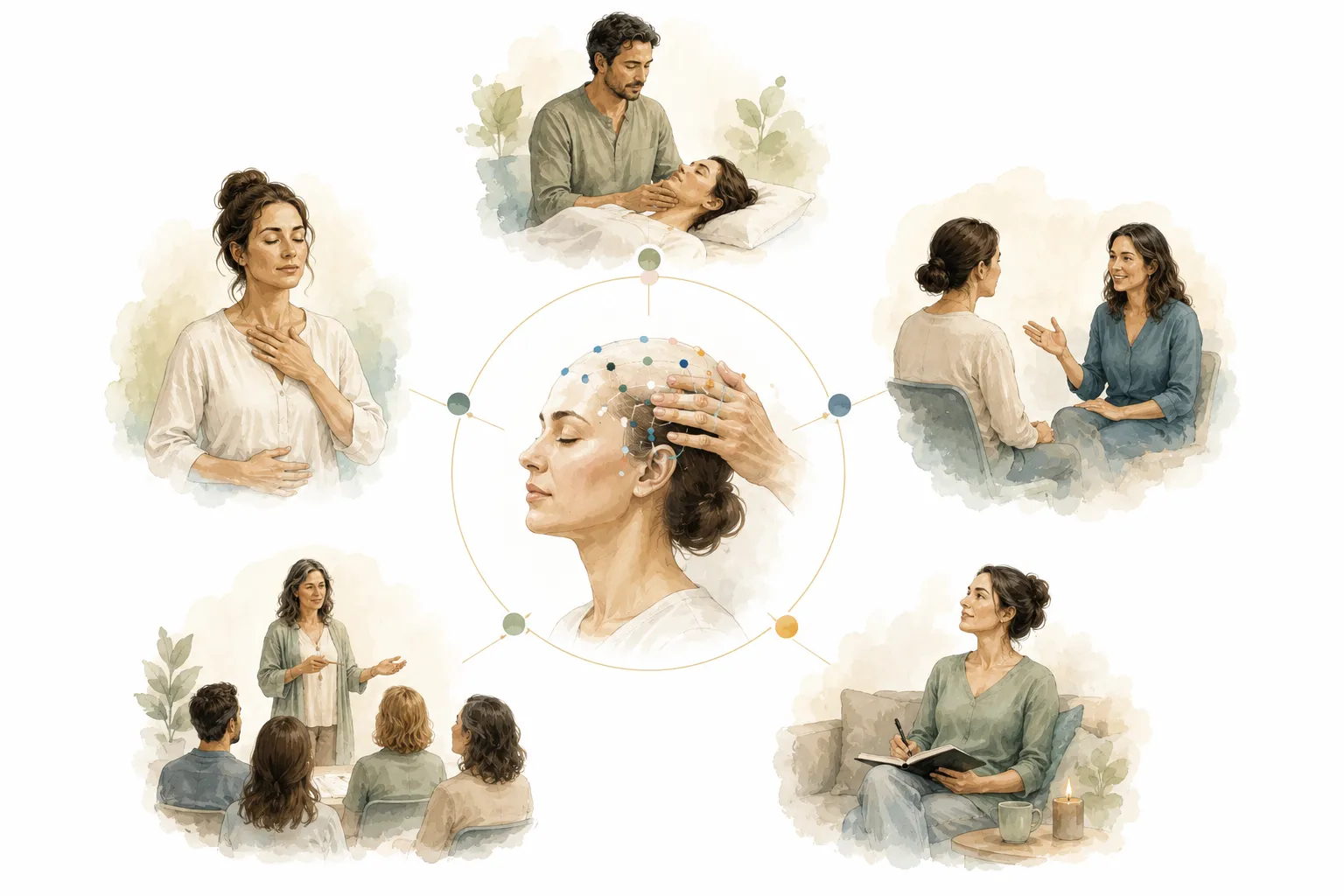
The tools are meant to be used in various ways: in one-on-one sessions with practitioners, in group classes, and as personal practices. They're often described as ways to expand consciousness and create new possibilities.
It's important to understand that Access Consciousness tools are part of a complementary wellness system. There is limited independent scientific evidence for many of these tools. They should be approached as optional complementary practices, not as replacements for professional care.
Skim first
Key takeaways
The shortest useful version of this page.
Access Consciousness offers a range of tools.
The main tool is Access Bars, but there are others.
Tools are used in sessions, classes, and personal practice.
Some people report positive experiences.
Scientific evidence for the tools is limited.
They should be approached as complementary practices.
Professional care should be sought for health concerns.
The practices
What tools does Access Consciousness offer?
Access Consciousness offers a range of tools, including Access Bars, Access Body Processes, Access Classes, and verbal clearing statements. Each is designed to address different aspects of personal change and awareness.
Access Bars is the most visible tool. It involves light touch on 32 designated points on the head. Access Body Processes work with the body. Access Classes provide training and education. And the mantra or clearing statements are used for intention-setting and release.
There are also more specialized tools, such as "Right and Wrong, Good and Bad, POD and POC" or other phrases meant to facilitate release.
These tools are used in various contexts. Some practitioners specialize in specific tools, while others use a combination during sessions.
Access Consciousness Tools
Access Consciousness Tools
A range of practices designed to help release limiting patterns and create change.
To help practitioners and clients identify and release limiting thoughts, beliefs, and patterns.
Used in one-on-one sessions, group classes, and personal practice.
While these tools are part of the Access Consciousness system, there is limited independent scientific evidence for their effectiveness beyond subjective reports.
Choose the appropriate tool for your needs.
Work with a practitioner or practice the tool yourself.
Observe what changes occur.
Continue practice as needed.
How practitioners use Access Consciousness tools
- Practitioner
Many practitioners see the tools as powerful ways to help clients release limitations and create change. Different practitioners may specialize in different tools or combine them.
- Participant
Participants report various experiences, from relaxation to profound changes in their lives. Others feel little or nothing.
- Balanced view
These perspectives help explain why the tools are used. However, personal reports don't establish a specific mechanism or prove the tools' claims.
- Evidence view
Independent evidence is too limited to verify that the tools have specific effects beyond relaxation, suggestion, or intention-setting.
Practitioners should avoid promising specific results or encouraging clients to use the tools as a substitute for professional care.
Reality check
Common misunderstandings about Access Consciousness tools
- Myth
Access Consciousness tools are scientifically proven treatments.
RealityThere's limited independent scientific evidence for these tools. They're complementary practices, not proven treatments.
- Myth
All tools work the same way for everyone.
RealityExperiences with the tools vary widely. What works for one person may not work for another.
- Myth
The tools can replace medical or mental health care.
RealityNo. Access Consciousness tools are not a substitute for professional healthcare.
- Myth
More tools mean better results.
RealityUsing more tools doesn't necessarily produce better results. Effectiveness depends on individual factors.
Evidence scan
What does the evidence say about Access Consciousness tools?
There's limited independent scientific research on Access Consciousness tools, especially for the less common practices. Most evidence is anecdotal.
Overall: not enough evidence
Unclear or mixed
Not clearly for or against
Access Consciousness tools help release limiting patterns.
Anecdotal reports suggest some people find the tools helpful. These reports don't establish a specific mechanism.
Leans against
Points that do not support the claim
The tools create specific changes in consciousness through defined mechanisms.
No established scientific evidence confirms these proposed mechanisms.
Access Consciousness tools have effects beyond general relaxation and suggestion.
Current evidence doesn't distinguish the tools from other complementary practices.
What to remember about Access Consciousness tools
The tools include Access Bars, body processes, classes, and clearing statements.
They're used in sessions, classes, and personal practice.
Some people find them helpful for creating change and awareness.
Scientific evidence for these tools is limited.
They should be approached as complementary practices, not treatments.
Professional care should be sought for health and mental health concerns.
Verdict
Our evidence-based verdict
insufficient-evidence
Access Consciousness tools are best understood as complementary practices designed to help people create change and awareness. While some people report positive experiences, there is insufficient evidence to support specific claims about their effectiveness.
What we know
- The system offers a range of tools.
- The tools are used in various contexts.
- Some people report positive experiences.
What we do not know
- Whether the tools work through specific mechanisms.
- Whether the tools are more effective than other complementary practices.
- Whether the tools produce specific outcomes.
A person may choose to explore Access Consciousness tools if they're interested. However, they should be approached as complementary practices, not proven treatments.
Bottom line
A range of tools, but limited evidence
Access Consciousness offers various practices designed to help people create change. While some people find them useful, there's limited scientific evidence for their specific effects.
Quick answers
Frequently asked questions
What are the Access Consciousness tools?
The tools include Access Bars, body processes, classes, and clearing statements.
How many Access Consciousness tools are there?
There are several tools in the system, with Access Bars being the most prominent.
Do Access Consciousness tools work?
Some people find them helpful, but scientific evidence for specific effects is limited.
Can I use Access Consciousness tools by myself?
Some tools can be used personally, but others require practitioner training.
Are Access Consciousness tools safe?
The tools are generally low-risk, but they shouldn't replace professional care.
Sources
REPLACE IF AVAILABLE. REPLACE WITH VERIFIED OFFICIAL ACCESS CONSCIOUSNESS TOOLS PAGE. Access Consciousness, REPLACE_IF_AVAILABLE. Accessed 2026-07-17
Use only to establish how Access Consciousness describes its tools.
REPLACE WITH VERIFIED AUTHORS. REPLACE WITH VERIFIED RESEARCH ON COMPLEMENTARY PRACTICES. REPLACE WITH VERIFIED JOURNAL, REPLACE WITH VERIFIED DATE. Accessed 2026-07-17
Use for general research on complementary practices.