The self-esteem connection
How Access Bars came to be associated with self-esteem
Self-esteem involves how we value ourselves, our beliefs about our worth, and our confidence in our abilities. Low self-esteem can affect every aspect of life and often benefits from professional support.
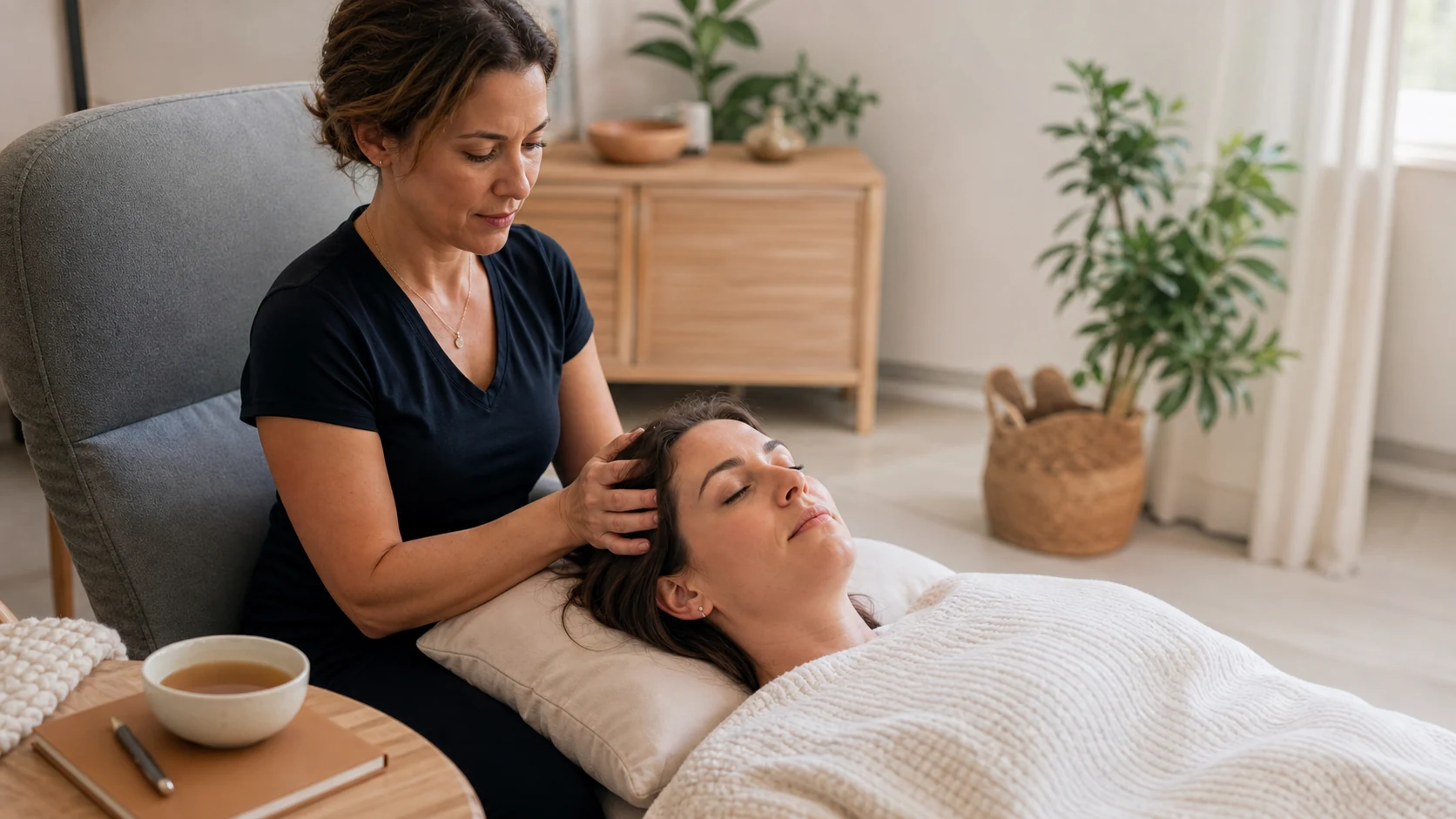
Access Bars practitioners sometimes describe the practice as a way to release limiting beliefs, including those about self-worth. They may suggest that the Bars hold patterns of self-doubt or negative self-perception.
Some people report feeling more confident or at ease after sessions. The restful, supportive nature of the practice may temporarily shift how someone feels about themselves.
Self-esteem is a complex psychological construct. Access Bars is not a proven method for building self-esteem and should not replace therapy or professional support.
Skim first
Key takeaways
The shortest useful version of this page.
No evidence Access Bars builds self-esteem.
Some people report temporary confidence.
Self-esteem often requires professional support.
Do not replace therapy.
Consider it optional mindset support.
What is claimed
What do Access Bars proponents say about self-esteem?
Practitioners sometimes describe Access Bars as a way to release limiting beliefs, including those about self-worth, value, and confidence. They may suggest that the Bars hold patterns of self-doubt.
Some practitioners specifically recommend Access Bars for people who struggle with low self-esteem, framing the practice as a way to feel better about oneself.
These claims are based on the Access Consciousness philosophy, not on research. Self-esteem is a complex psychological pattern that requires more than gentle touch.
While some people may feel temporarily better, this does not establish Access Bars as a self-esteem treatment.
How Access Bars is said to help with self-esteem
The proposed connection is philosophical and not scientifically established.
The Access Consciousness explanation
Practitioners claim the Bars hold limiting beliefs about self-worth. Touching them releases these beliefs.
Some describe it as clearing negative self-perception.Mindset shift
Some people report feeling more at ease or confident after sessions.
Stress reduction
Relaxation can temporarily reduce self-critical thoughts.
The scientific gap
No research has established a specific mechanism for self-esteem.
Evidence scan
What does the research say about Access Bars and self-esteem?
There is no research on Access Bars specifically for self-esteem. Claims are based on philosophy and anecdote.
Overall: not supported by evidence
Unclear or mixed
Not clearly for or against
Access Bars builds self-esteem.
No research exists. Anecdotal reports exist but are not evidence.
Leans against
Points that do not support the claim
Access Bars treats low self-esteem.
No evidence supports this. Self-esteem often benefits from therapy and professional support.
What practitioners, participants, and professionals say
- Practitioner
Some practitioners describe Access Bars as helpful for releasing self-doubt and building confidence.
- Participant
Some people report feeling more confident, at ease, or comfortable after sessions.
- Balanced view
Subjective experiences are real but do not constitute evidence.
- Evidence view
Psychologists emphasize that self-esteem often requires therapy, self-reflection, and evidence-based approaches.
Do not use Access Bars as a substitute for therapy or professional support.
Reality check
Common misunderstandings about Access Bars and self-esteem
- Myth
Access Bars can fix low self-esteem.
RealityNo evidence supports this. Self-esteem is complex and often requires therapy.
- Myth
Feeling confident after a session means self-esteem is improved.
RealityTemporary confidence is not the same as lasting self-esteem.
- Myth
Access Bars is better than therapy for self-esteem.
RealityNo. Therapy is evidence-based. Access Bars is not.
- Myth
One session can change self-perception.
RealityNo evidence supports this. Self-esteem development takes time.
What to remember about Access Bars and self-esteem
No evidence Access Bars builds self-esteem.
Some people report temporary confidence.
Self-esteem often requires professional support.
Do not replace therapy.
Consider it optional mindset support.
Verdict
Our evidence-based verdict on Access Bars for self-esteem
not-supported
Access Bars is not a self-esteem treatment. It may offer temporary calm, but self-esteem often requires professional therapy and evidence-based approaches.
What we know
- The practice involves gentle touch and rest.
- Some people report temporary confidence.
- Relaxation can reduce self-criticism.
What we do not know
- Whether Access Bars builds self-esteem.
- Whether it creates lasting change.
- What role it might play.
If you struggle with low self-esteem, consider therapy or evidence-based approaches. Access Bars is not a substitute.
Bottom line
Self-esteem deserves real work
Access Bars might help you feel more at ease, but self-esteem requires deeper work—therapy, reflection, and evidence-based approaches. Invest in what works.
Quick answers
Frequently asked questions
Can Access Bars help with self-esteem?
No evidence supports this. Seek professional support for self-esteem.
Is Access Bars a substitute for self-esteem therapy?
No. Therapy is evidence-based. Access Bars is not.
Should I use Access Bars for self-esteem?
Access Bars should not replace professional support.
Sources
REPLACE IF AVAILABLE. REPLACE WITH VERIFIED SELF-ESTEEM AND THERAPY GUIDELINES. REPLACE WITH RECOGNIZED PROFESSIONAL ORGANIZATION, REPLACE IF AVAILABLE. Accessed 2026-07-17
Use for evidence-based self-esteem and therapy standards.