Defining the term
A session, plainly defined
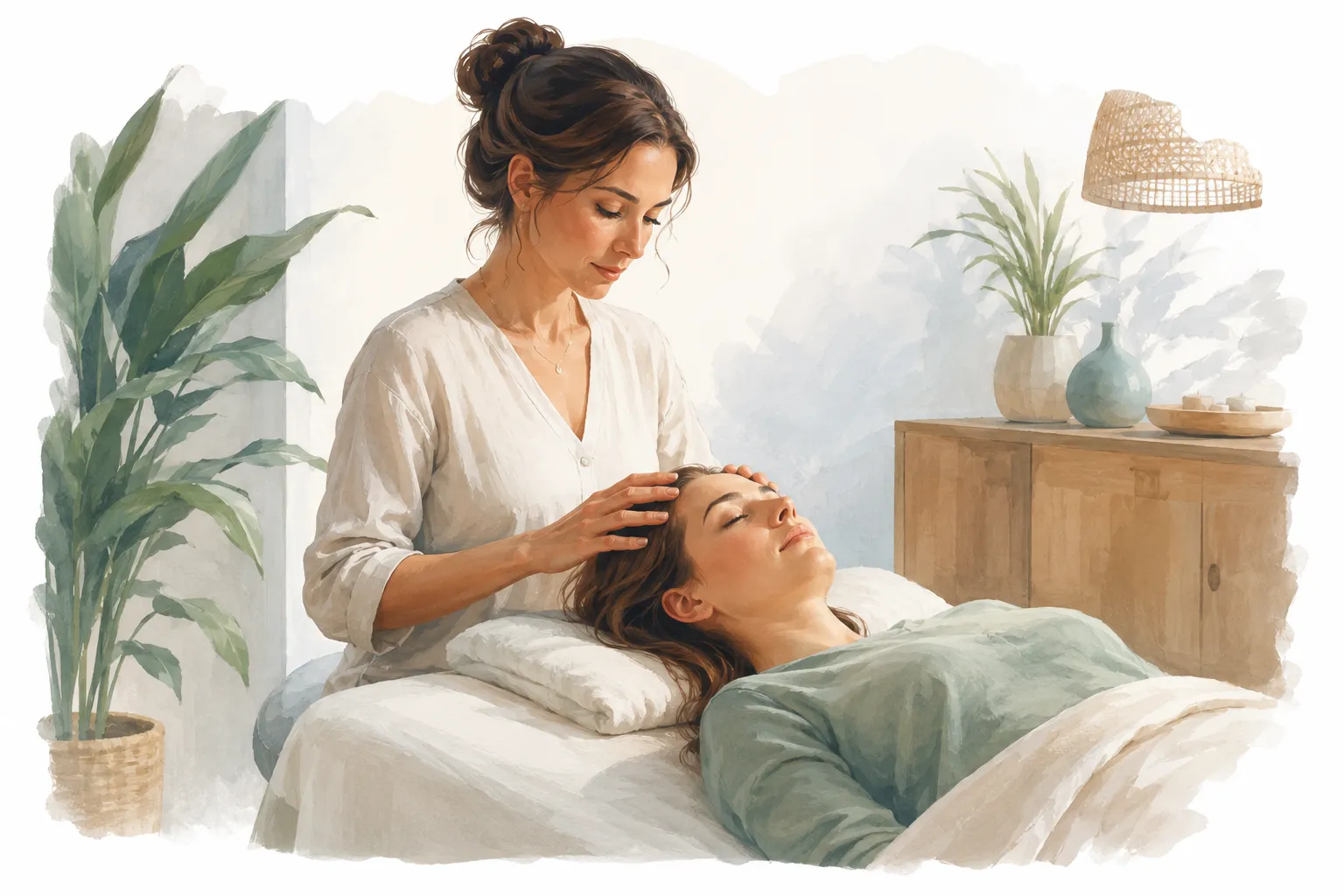
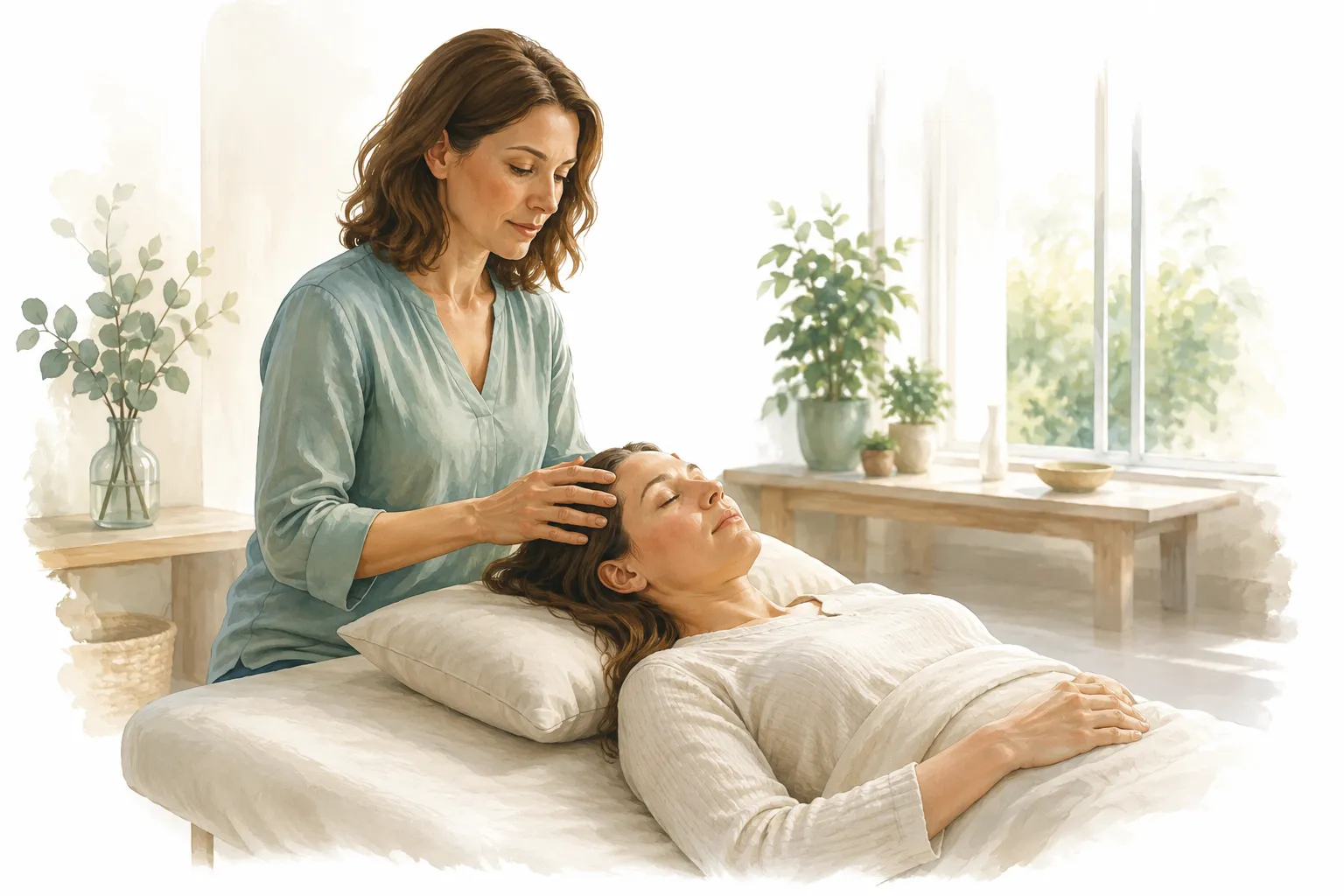
"Access Bars session" refers to a single appointment centered on the technique known as "running the bars" , lightly touching designated points on a person's head. It's the unit in which the practice is actually sold and delivered, distinct from broader terms like "Access Consciousness," which refers to the wider organization and philosophy the technique belongs to.
A session is generally offered as a standalone service. You don't need to have taken any classes or hold any particular beliefs to book one; you simply schedule an appointment with a practitioner, much like booking a massage or acupuncture visit. Some practitioners offer packages of multiple sessions at a discount, but a single session is a complete, self-contained appointment on its own.
The person providing the session has typically completed a paid Access Bars practitioner class, which teaches the point locations and touch sequence. This training isn't accredited by any government health authority, so the term "practitioner" here refers to completion of a private course rather than a clinical license.
What an Access Bars session includes
A practical layout of the appointment from intake through touch sequence and closing conversation.
Brief intake
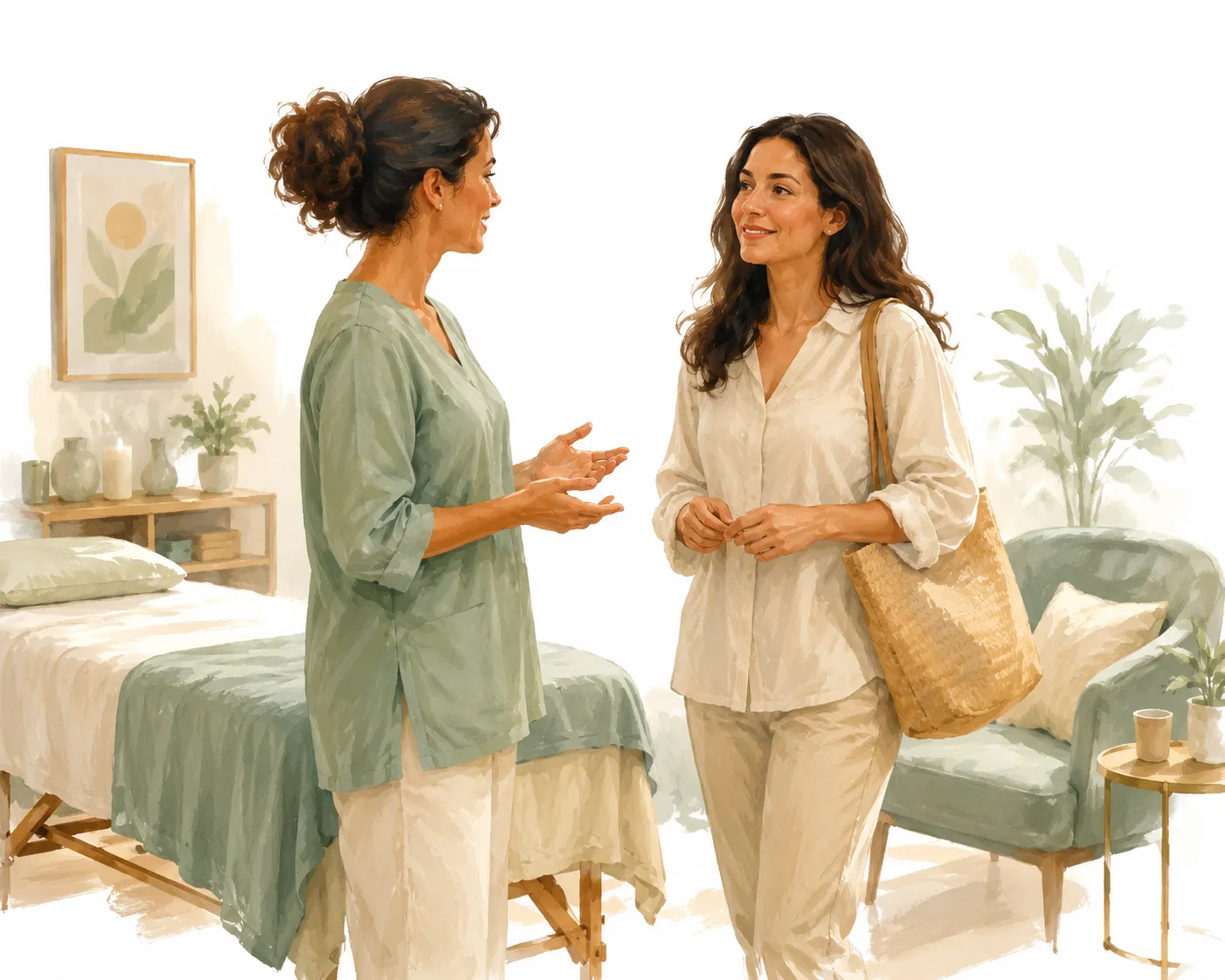
The practitioner explains the session and checks comfort and consent.
Positioning
The client rests fully clothed, usually on a treatment table.
Light touch
The practitioner works through taught point combinations around the head.
Closing check-in
The session ends with a simple observation of how the client feels.
Skim first
Key takeaways
The shortest useful version of this page.
An Access Bars session is a single, standalone appointment, typically 60 to 90 minutes.
It's booked like a spa or wellness service, not a required multi-visit treatment program.
Practitioners complete a private training course rather than a licensed medical credential.
Sessions are offered independently, at wellness centers, and occasionally at spas.
What a session typically includes
A standard session includes a brief intake conversation, the main touch sequence performed while you lie fully clothed on a table, and a short closing check-in. Some practitioners fold in extras like calming music, guided breathing, or a short discussion of the day's intentions, though none of these are strictly required.
Unlike a therapy program with defined phases, an Access Bars session doesn't build toward a specific milestone. Each session is generally treated as complete in itself, whether it's someone's first visit or fiftieth.
Where the phrase "running the bars" comes from
Running the bars
The informal term practitioners use for performing the head-touch sequence during a session.
It simply describes the act of moving through the designated point combinations during the appointment.
A session vs. becoming a practitioner
These two terms are often confused, so it helps to separate them clearly.
An Access Bars session
A single appointment as a client
60 to 90 minutes
Anyone wanting to try the practice
Practitioner training
A paid class to learn how to perform sessions
Typically a one- or two-day course
Those wanting to offer sessions to others
Reality check
Common misunderstandings
- Myth
You need multiple sessions before you'll notice anything.
RealityPractitioners generally describe effects as possible after a single session, though some clients choose to return regularly.
- Myth
Access Bars sessions are performed by licensed therapists.
RealityPractitioners complete a private, non-government-accredited course rather than a clinical license.
- Myth
A "session" and "Access Consciousness" mean the same thing.
RealityA session refers to one appointment; Access Consciousness is the broader organization and philosophy the technique comes from.
What to remember
An Access Bars session is a single, bookable appointment, typically 60 to 90 minutes.
It's sold as a standalone service, not a required multi-visit program.
Practitioners complete a private course, not a government-licensed medical credential.
Sessions are offered at spas, wellness centers, and independent practices.
Quick answers
Frequently asked questions
What is an Access Bars session?
A single appointment, typically 60 to 90 minutes, in which a practitioner lightly touches designated head points while you lie fully clothed.
Is one session enough, or do I need more?
A single session is complete on its own; additional sessions are optional, not required.
How is "running the bars" different from a "session"?
"Running the bars" describes the touch technique itself; "session" refers to the full appointment during which it's performed.
Who offers Access Bars sessions?
Practitioners who have completed a private Access Bars class, working independently or at wellness centers and spas.
Sources
Access Consciousness. Wikipedia. Accessed 2026-07-14
Background on the practice, its terminology, and delivery format.
Access Bars. EFT International. Accessed 2026-07-14
Independent description of the session format.